
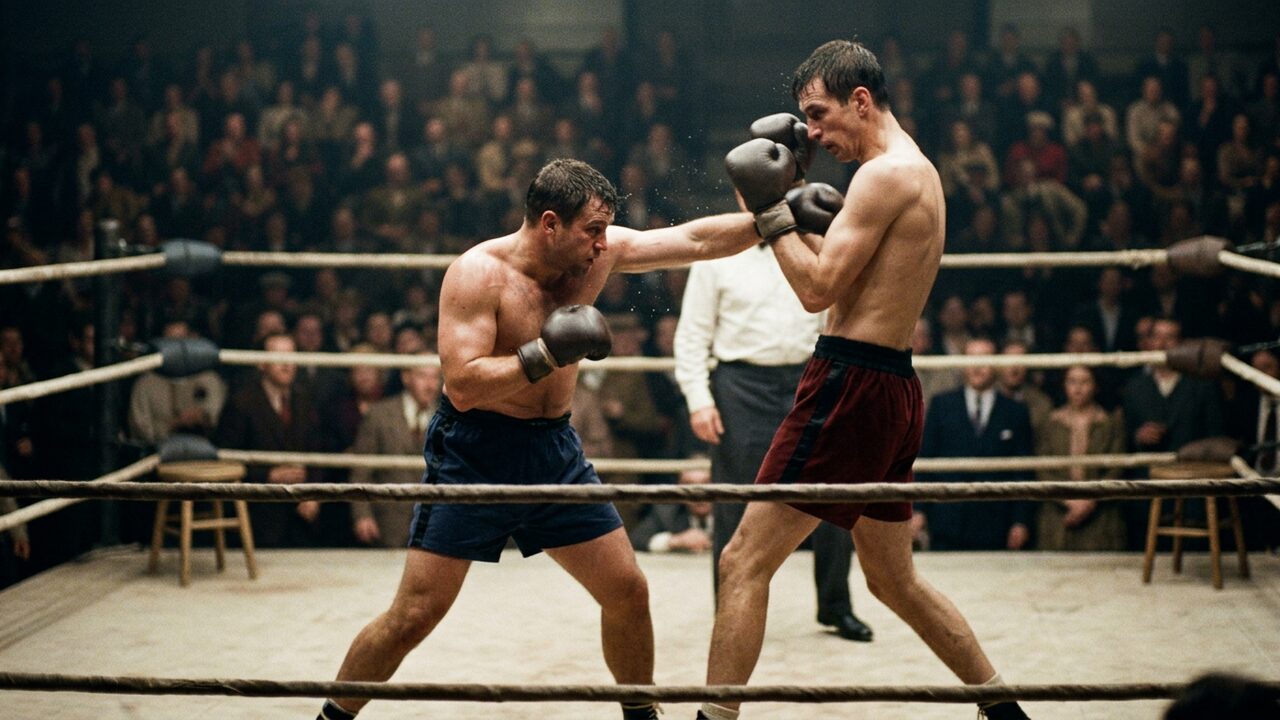
The purpose of divisions
Weight divisions exist because size and reach are large advantages in a sport where two people are trying to hit each other, and matching fighters by weight is the simplest way to keep contests competitive. For most of boxing's history, weigh-ins happened close to fight time, so the number on the scale was a reasonably honest description of who a fighter would actually face that night, with little room to change shape afterwards.
The same-day-to-day-before shift
Major boxing now typically weighs fighters in roughly twenty-four hours before the opening bell rather than on the day itself, a change originally intended to reduce the health risks of extreme same-day dehydration. The unintended consequence is that fighters have a full day to eat and rehydrate, and some can add a substantial amount of weight back on before stepping into the ring, meaning the number posted at weigh-in no longer reliably describes fight-night size.
Why the gap matters competitively
Fighters vary enormously in how much weight they can safely regain, based on frame, hydration strategy and how severely they cut in the first place, which means two boxers who make the same limit at weigh-in can differ meaningfully in size by fight night. This has made rehydration clauses and same-day weight checks a recurring topic in negotiations for significant fights, since a large size gap can undo much of what the weight class was designed to prevent.