
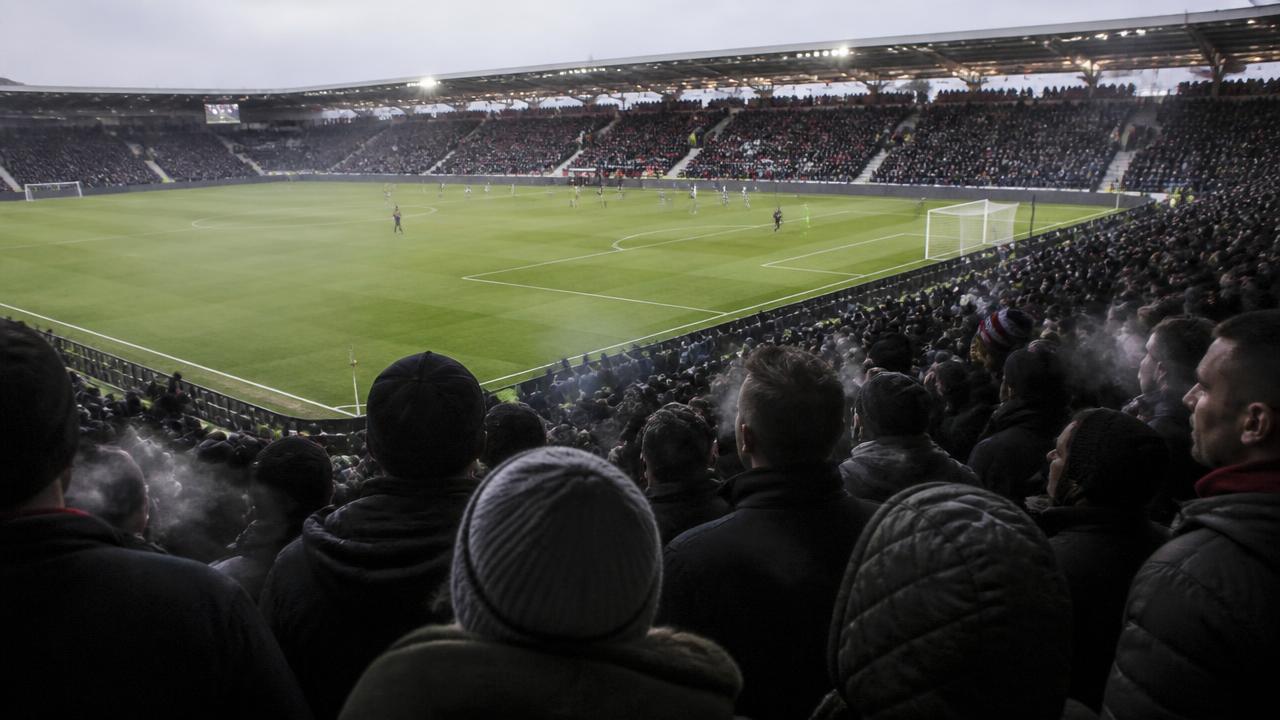
Too many big clubs, too few places
The structural reason the division is brutal is simple: in most seasons it contains several clubs whose stadiums, support and revenues belong in the top flight, and they are competing for a very small number of promotion places. A club can assemble a squad that would comfortably survive a division higher and still finish sixth, because four or five rivals have done something similar. Nothing about that is a coaching failure; it is arithmetic.
The play-off place compounds it. A side that finishes third has earned nothing certain and must win a two-legged tie against a top-flight club fighting for its life, which is a different competition from the one it has just spent nine months playing.
Squads built for the wrong league
Relegated clubs frequently keep a core of technical players suited to being the better team with the ball and discover that second-tier opponents do not let them play that way. Matches are more direct, set pieces matter more, and away grounds are hostile in a way that punishes teams who need calm to function. Rebuilding for those conditions means signing players a sporting director might consider a step down in quality but a step up in usefulness.
Clubs that refuse the adjustment tend to spend two or three seasons insisting they are too good for the division, which is both true in isolation and irrelevant to the results.
What successful promotions look like
The sides that get out usually share unglamorous traits: a settled defensive structure, a goalkeeper who does not lose them points, a genuine set-piece threat, and enough depth to absorb the mid-season injuries every squad suffers. They also tend to have kept the same coach long enough for the players to know the plan by February.
None of that is exciting to read in a summer preview. It is, reliably, what separates the clubs that go up from the clubs that finish fifth for the third year running.