
A moment that looks simple and is not
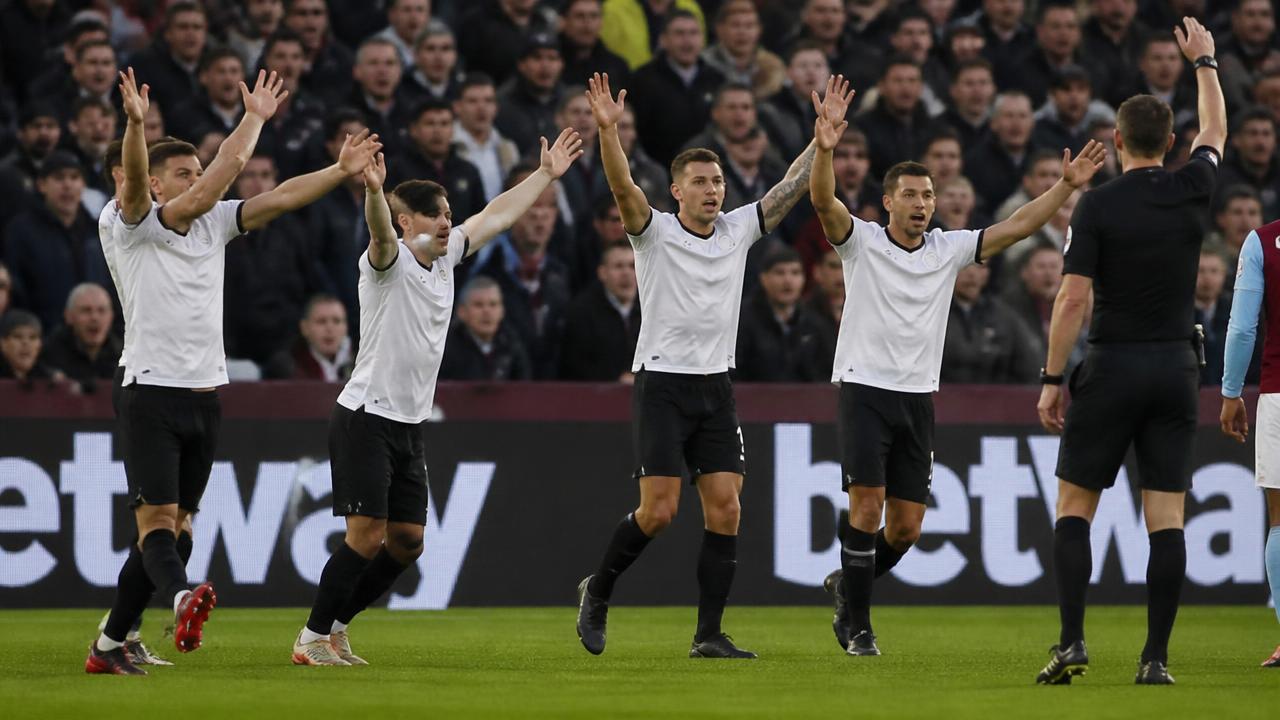
To a casual viewer, a successful offside trap can look almost anticlimactic: a defensive line steps forward together, a flag goes up, and an attacking move that looked dangerous a second earlier is immediately erased. That simplicity is deceptive, because the moment depends on an extraordinarily precise piece of collective timing among several defenders who must step forward at essentially the same instant, based on a shared read of the situation rather than any single player's individual decision.
If even one defender in the line hesitates or steps forward a fraction of a second too late, the entire trap collapses, potentially leaving that single player isolated against an attacker with a clear run at goal rather than catching the whole attacking move offside as intended. The difference between a perfectly executed trap and a serious defensive error can be a genuinely tiny margin of individual timing within an otherwise well-drilled unit.
Reading intention before the pass arrives
The defensive line cannot simply react to the pass once it has been played, since by that point it is already too late to step forward in a coordinated way. A well-drilled defence reads the body shape and eye line of the player in possession, anticipating the moment a forward pass is about to be attempted and beginning its coordinated movement fractionally before the ball is actually released. This anticipatory element is what separates an experienced, well-coached defensive unit from one that is merely positioned in a reasonable offside line without the shared anticipation needed to spring the trap deliberately.
This kind of anticipation is built almost entirely through repetition on the training ground, where a defensive unit works together repeatedly until the timing becomes close to instinctive, a shared understanding among specific individuals that does not transfer automatically to a newly assembled defensive line, however individually talented its members might be.
Why it deserves more appreciation than it gets
Because the outcome of a successful trap is simply a raised flag and a stoppage in play, it rarely receives anything like the recognition given to a spectacular save or a well-worked goal, even though the coordinated skill involved is genuinely comparable to some of the more celebrated moments elsewhere on the pitch. It is defensive craft distilled into a single moment of collective precision, and it deserves to be watched with the same appreciation given to an intricate passing move that ends in a goal.
Next time a defensive line steps forward together and catches an attack offside, it is worth pausing on the moment rather than moving straight past it. What just happened was several players making an identical decision at an identical instant, built on shared training and shared anticipation, and that kind of quiet collective precision is one of the more genuinely elegant things football produces, even if it rarely gets treated that way.