
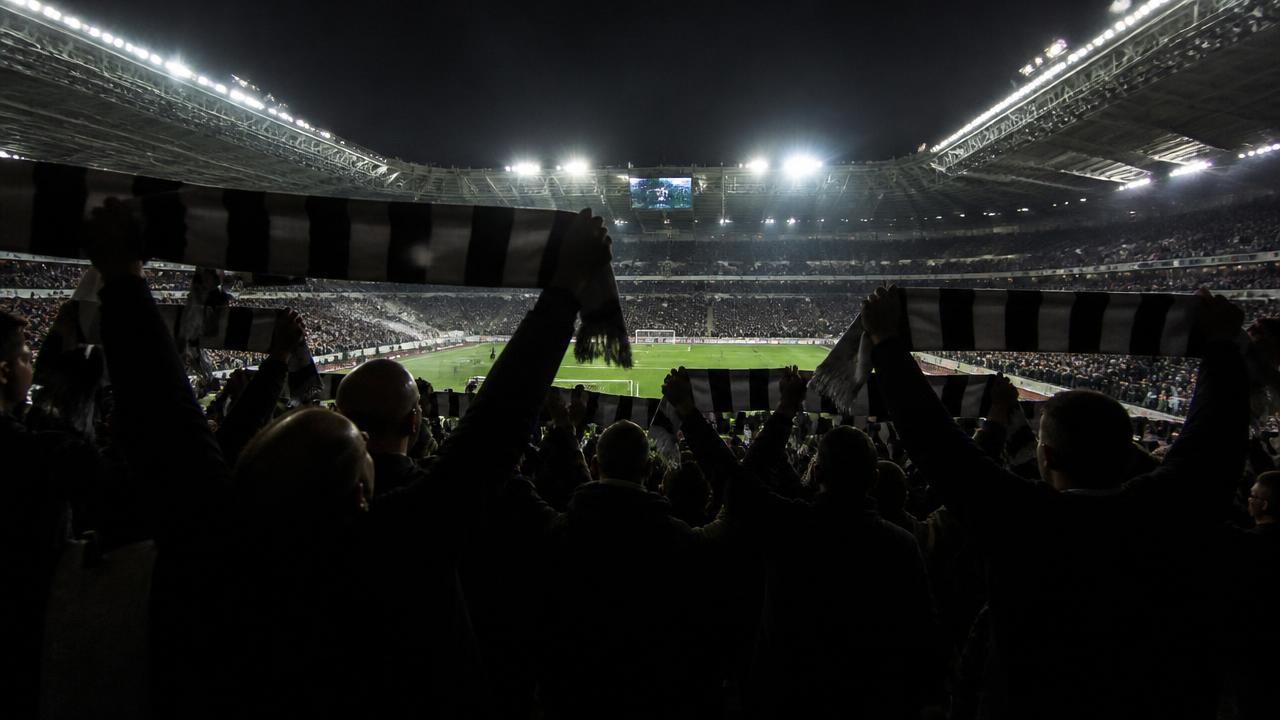
A shared signal across every ground
Part of what separates a continental night from a domestic fixture, even a big one, is the specific ritual that precedes kick-off: a familiar piece of music, the same in every stadium, played to crowds who know exactly what is coming and rise to meet it in the same way regardless of which two clubs are actually playing. That consistency is the point. The anthem is not tied to either team; it belongs to the competition itself, and hearing it signals to everyone in the ground that the match about to be played sits in a different category to a routine weekend fixture.
Supporters who travel regularly for continental away matches often describe the anthem as one of the few genuinely universal experiences of European football, recognisable in a language-independent way that transcends whichever country they happen to be visiting that week. It functions almost as a passport stamp for the competition, marking the occasion before either team has kicked the ball.
What players say it does to them
Interviews with players across many different clubs return to similar language when describing the moment: a rise in adrenaline, a sense of occasion setting in that domestic fixtures rarely produce in the same way, even when a domestic match carries higher stakes on paper. Part of this is likely genuine conditioning built through repeated exposure to the same musical cue across a career, in the way that certain sounds become associated with heightened states through pure repetition.
This matters tactically as much as emotionally, because a player walking out already primed for a heightened occasion approaches the first exchanges of the match differently to one walking into a routine fixture. Coaches are aware of this and sometimes deliberately manage a squad's emotional state in the tunnel, aware that the ritual itself is doing some of that work for them already.
Why the ritual's power depends on rarity
Part of the anthem's effectiveness lies in the fact that it is not heard every week. A ritual repeated too often loses its capacity to signal significance, and European nights retain some of their distinct atmosphere precisely because they remain a smaller subset of a club's overall fixture list rather than a weekly occurrence. This is a broader truth about ritual in sport generally: scarcity protects meaning.
It also explains why clubs newly qualifying for European competition after a long absence often describe the reintroduction of that ritual, more than any single result, as the moment their return to the continental stage felt real. The anthem functions less as background music and more as a threshold, marking the moment a club steps back into a competition with its own distinct culture and expectations.