
Field position compounds quietly
A team that consistently starts drives further from its own end zone is working with an advantage that rarely shows up directly in a highlight reel but accumulates steadily across four quarters. Punt and kickoff coverage, along with return ability, determine that starting position possession after possession, and small consistent gains in field position translate into fewer possessions needed for a score and less pressure on a defence pinned deep. This is one of the least visible but most reliable ways a game is actually won.
The single-play swing
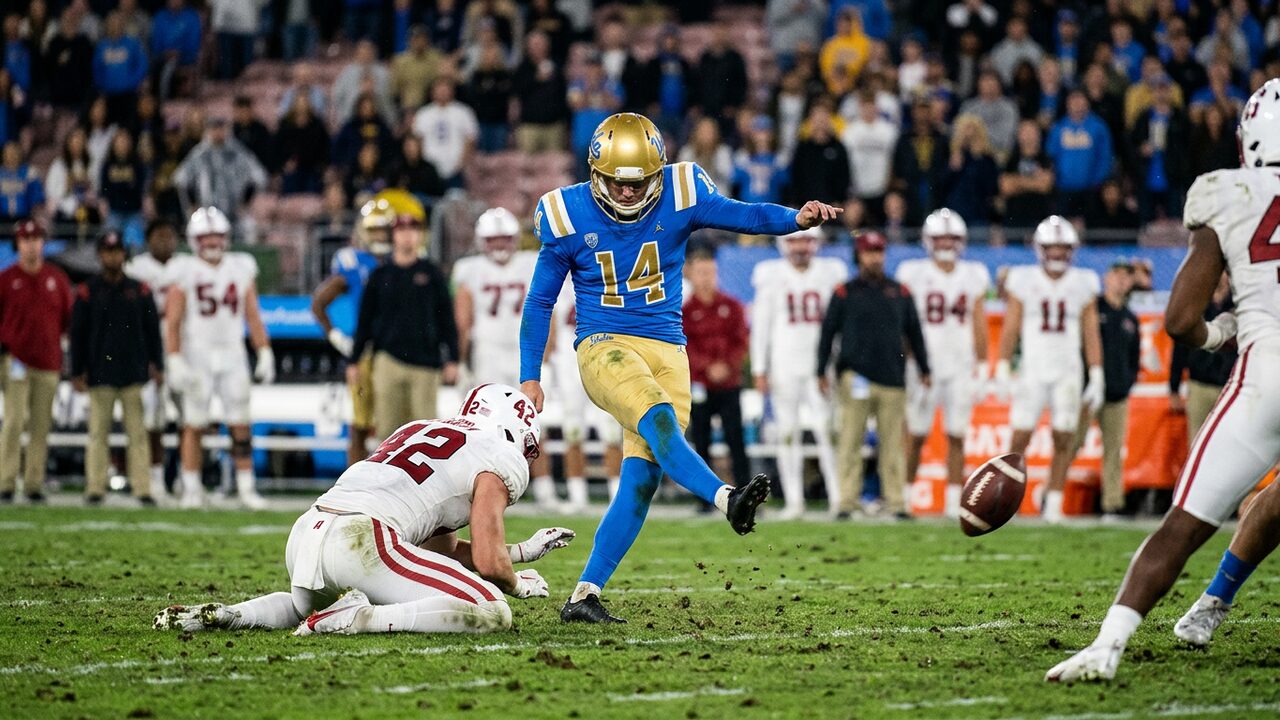
Special teams also produces a disproportionate share of a game's highest-variance moments: a blocked kick, a long return or a missed field goal can change a result on its own in a way few offensive or defensive plays can. Because these moments involve fewer players and less structural predictability than a standard offensive or defensive snap, they are harder to prepare for fully, which is part of why they remain a genuine source of upset results.
An unequal allocation of attention
Despite this influence, special teams typically receives a smaller share of practice time than offence or defence, partly because it involves fewer of a roster's most talented players and partly because it is simply less glamorous to coach. Programmes that invest disproportionate attention here often gain an advantage precisely because so few opponents do the same, making special teams one of the more efficient places for a coaching staff to find an edge.