
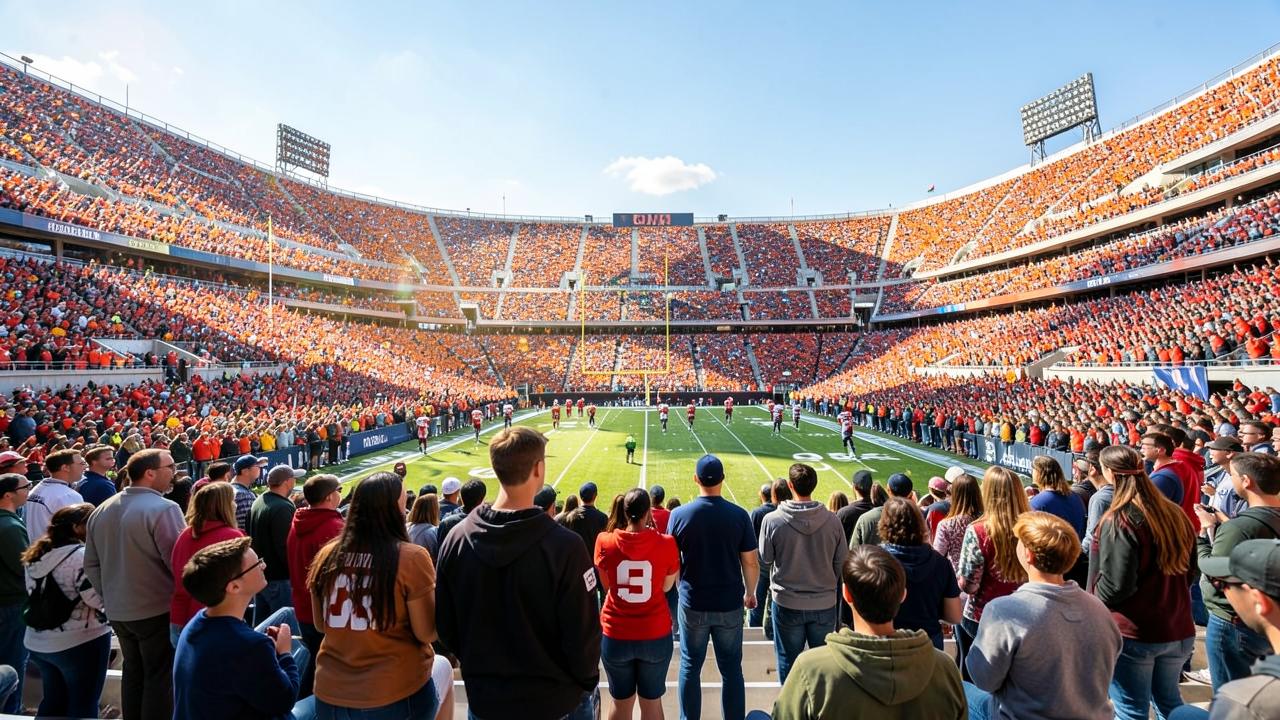
A payment, not a punishment
When a smaller programme travels to face a much larger one, the game is usually built around a guaranteed payment rather than any expectation of competitiveness. That fee can matter enormously to a smaller athletic department's budget, funding facilities or supporting programmes across the whole institution. Seen this way, the fixture is less a mismatch than a transaction that both administrations understood and agreed to well before kickoff.
What the bigger side gets
The larger programme is not simply padding a record. An early, lower-risk game lets a coaching staff test new systems, evaluate depth and settle a rotation without the full competitive pressure of a conference fixture. Injuries and execution errors made in that setting are far less costly than the same mistakes made against a genuine rival, which is exactly why coaches value the low-stakes rehearsal even when the result is rarely in doubt.
A deliberate trade, not an oversight
It is tempting to read these games as evidence of a broken scheduling system, but they are closer to a deliberate trade that both parties choose because it serves each of them. The visiting team accepts a difficult afternoon for a payment its budget needs; the home team accepts a less interesting spectacle for a lower-risk rehearsal. Understanding that logic makes an otherwise dull early-season fixture easier to place within the broader shape of a season.