
A different kind of continuity
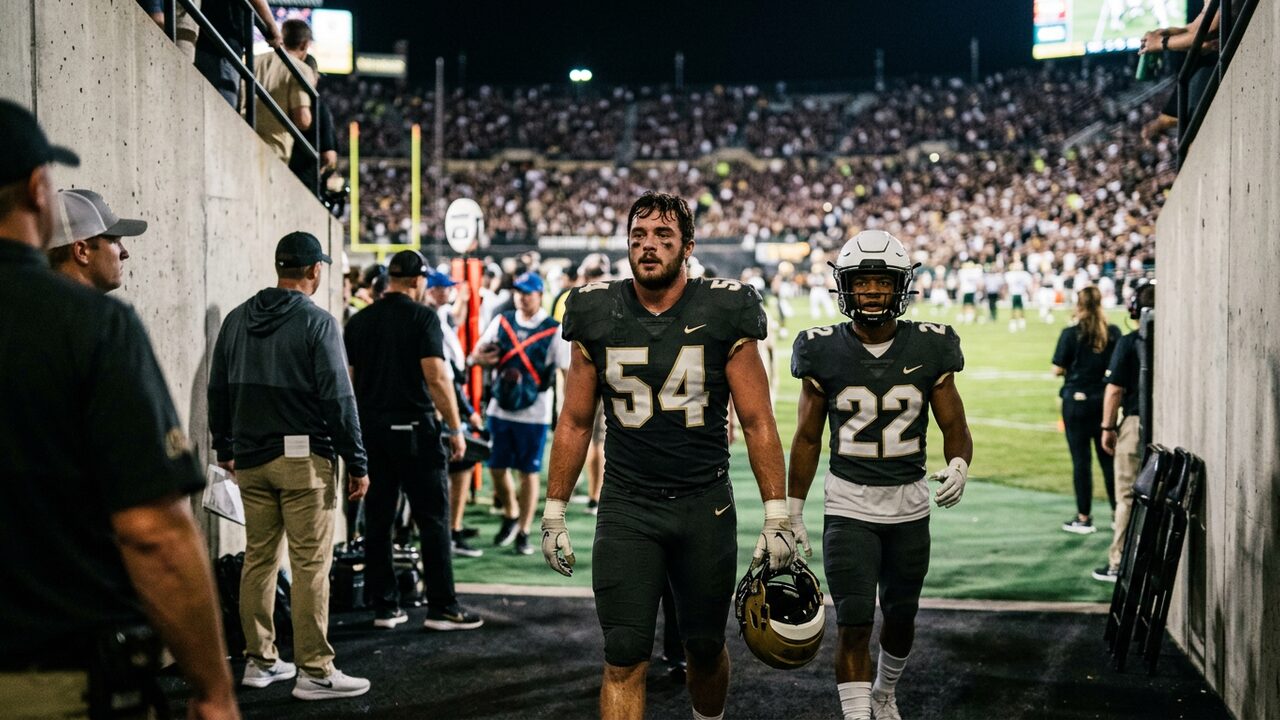
Professional teams retain most of a roster from one year to the next and change gradually. College teams do not have that luxury: eligibility naturally limits how long any player can stay, which means a meaningful share of last season's contributors is gone before the next one begins. That structural churn is not an occasional disruption; it is the normal condition of the sport, and it is one of the clearest ways college football differs from the professional game most fans also follow.
Losing identity, not just depth
The departures that matter most are often not the ones easiest to notice from outside. Losing a starting quarterback or an experienced offensive line can change how a team plays, not just how well it plays, because schemes are frequently built around the specific strengths of the players running them. A team can return most of its roster by number and still look like a different team on the field once a few identity-defining pieces are gone.
Why preseason talk is a guess
All of this means preseason expectations are informed estimates rather than forecasts with any real predictive power. Analysts are reasoning from incomplete information about untested young players, new coordinators and unfamiliar combinations, and the honest conclusion is that nobody, including the coaches, fully knows what a team is until it has been tested against real opposition. That uncertainty is not a failure of analysis; it is a fair description of the sport's structure.