
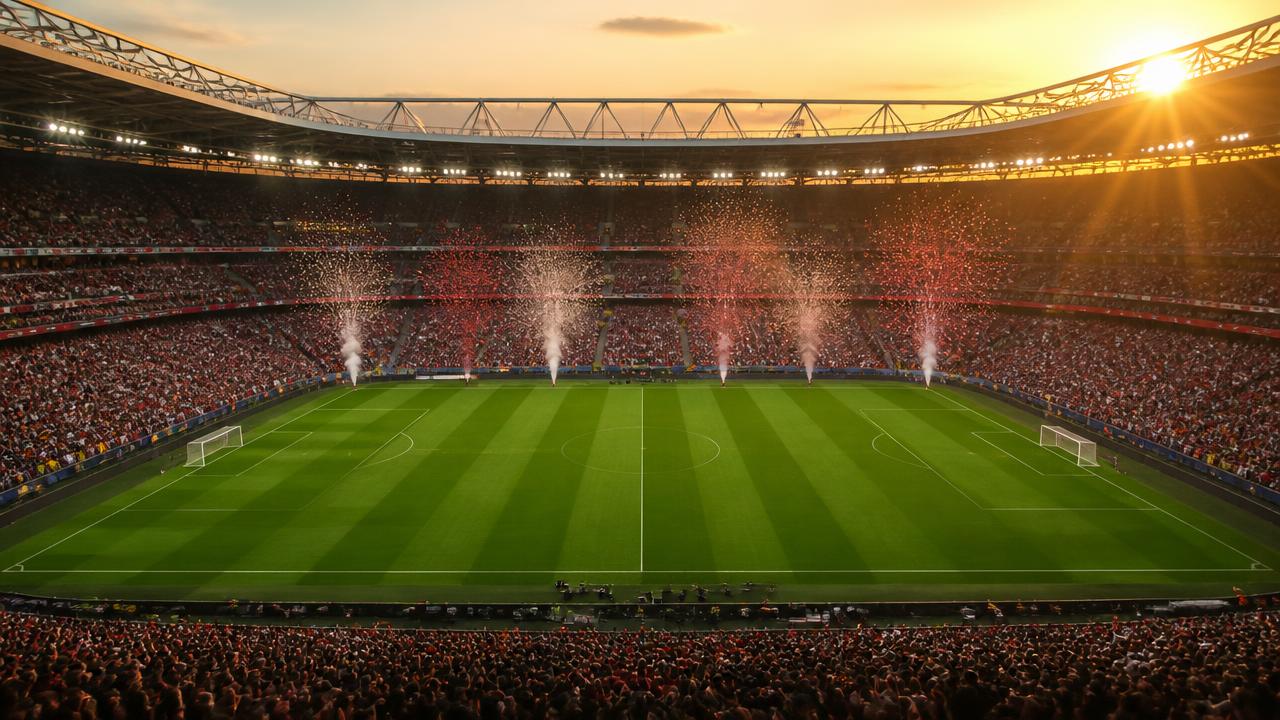
A destination the whole competition points at
Cup competitions are chaotic by design, and a permanent final venue is the fixed point that makes the chaos legible. A third-division club that wins a tie in October is not merely progressing; it is one round closer to a specific place its supporters can already picture. Rotating the final around whichever stadium is available removes that image and replaces it with a logistics announcement.
It is a cheap tradition. Nothing has to be invented or funded; a governing body simply has to keep choosing the same ground.
Neutrality is a practical benefit
A permanent host is also the simplest way to keep a final neutral. Awarding the match to a rotating venue eventually hands one finalist a home stadium or something close to it, and every arrangement designed to avoid that outcome is more complicated than just playing at the usual place.
Familiarity helps everyone else too. Supporters know the routes, the police know the operation, and the day runs on habits built over decades.
The objection worth taking seriously
The strongest argument against is geography: a fixed venue means some supporters travel a long way every year while others rarely travel at all, and in a country where clubs are spread widely that is a real inequality. Rotation spreads the cost and takes the occasion to cities that would otherwise never host it.
I still think the trade is worth it. A competition survives on the things it does the same way every year, and for a cup, the place the final is played is the most valuable of them.
What a permanent venue actually protects
A fixed final gives the occasion a shape that travels between generations. Supporters plan the same journey their parents made, the stadium becomes a reference point rather than a booking, and a club reaching the final inherits a set of images that a neutral rotation cannot manufacture in one season.
The argument against it is fairness, and it deserves a hearing: a single city collects the money and the attention every year while other regions get nothing. My answer is that a cup final is not a league fixture and should not be distributed like one. Its value comes from repetition, and repetition needs one address.
So keep the final where it is, and spend the argument elsewhere: on ticket allocations for the two clubs, on affordable travel, and on making sure the supporters who followed the run all season are the ones inside the ground on the day.