Several new skills at once
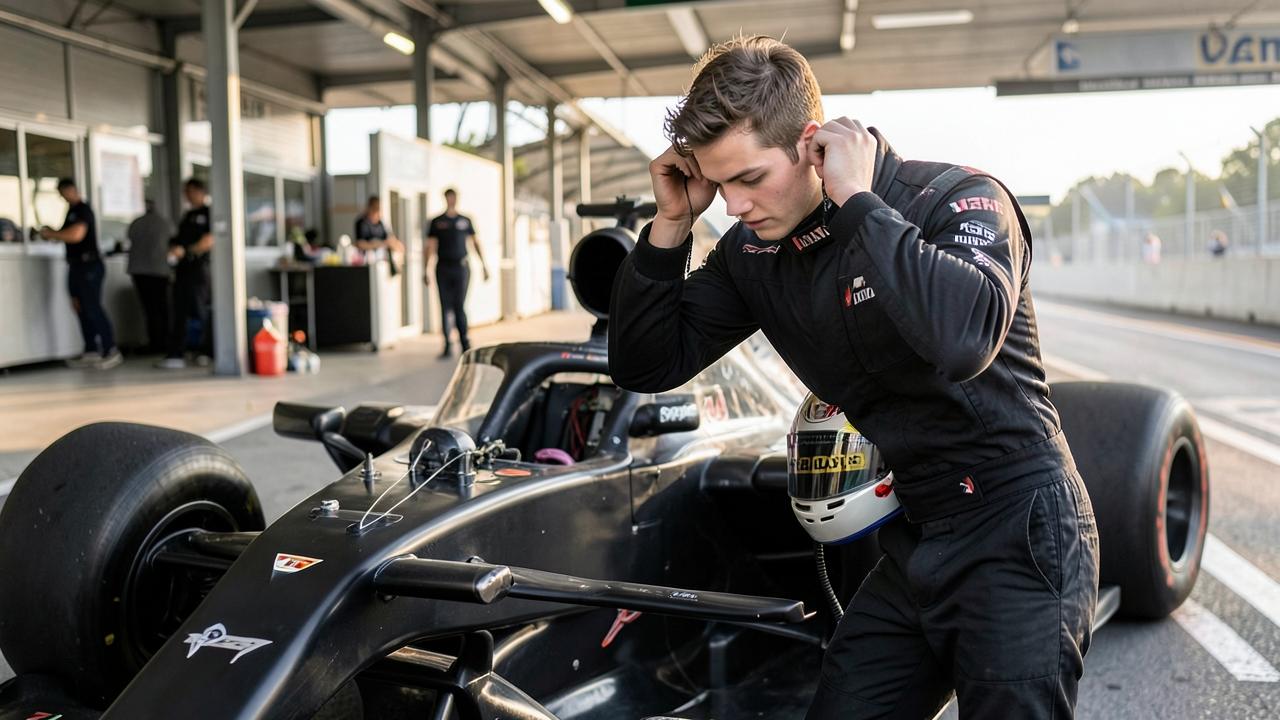
A rookie season asks a driver to learn several things simultaneously: how to extract performance from tyres that behave differently to anything in junior categories, how to manage a race weekend's information flow, and how to communicate precisely with engineers who do not yet know their driving style intuitively. Progress in any one of these areas can be undone temporarily by a struggle in another, which is why rookie form often looks inconsistent rather than steadily improving.
Why dips are normal, not alarming
It is common for a promising rookie to have a strong opening stretch followed by a quieter period, not because ability has declined but because early results sometimes outran genuine understanding of the car, and rivals adjust once a new driver's tendencies become known. A dip of this kind is frequently followed by a more durable improvement once the driver has absorbed the lesson, rather than being a sign that the early promise was false.
The limits of the teammate comparison
Comparing a rookie directly to an established teammate is tempting because it is the simplest available benchmark, but it can be misleading if the teammate has years of familiarity with the same car philosophy and personnel that the rookie is still building. A fairer read usually looks at the trend across a season rather than any single weekend's gap, since that trend says more about a rookie's trajectory than a snapshot ever can.