
Progress that followed, rather than preceded
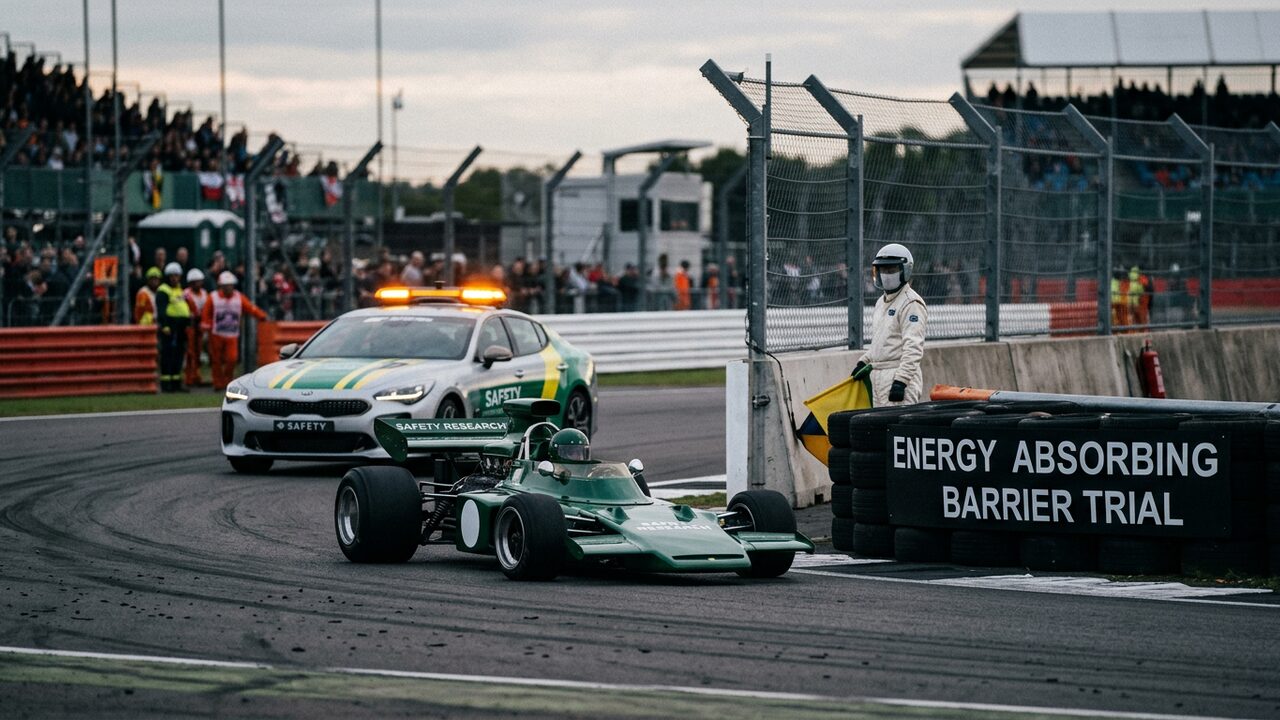
For much of the sport's history, safety measures arrived after specific incidents exposed a gap, rather than being anticipated in advance, which meant improvement often felt uneven and hard-won. This pattern was not unique to motor racing, but the speeds and forces involved made the cost of that pattern unusually high, and it shaped a culture that gradually became far more deliberate about identifying risks before they caused harm.
Cars and circuits evolving together
Improvements to car structures, such as stronger survival cells and better restraint systems, only became fully effective alongside parallel changes to circuits, including larger run-off areas and more forgiving barrier designs. Neither could solve the safety problem alone, since a stronger car still needed somewhere safe to come to rest, and a well-designed circuit still needed a structure capable of protecting the driver inside it.
A change in attitude, not only equipment
Alongside the physical changes, the culture around acceptable risk shifted considerably, with incidents that were once treated as an unavoidable part of the sport later regarded as evidence that something structural needed to change. That shift in attitude is arguably as important to the sport's modern safety record as any single piece of equipment, since it created the institutional will to keep investigating and improving rather than accepting risk as fixed.