
One game, no correction
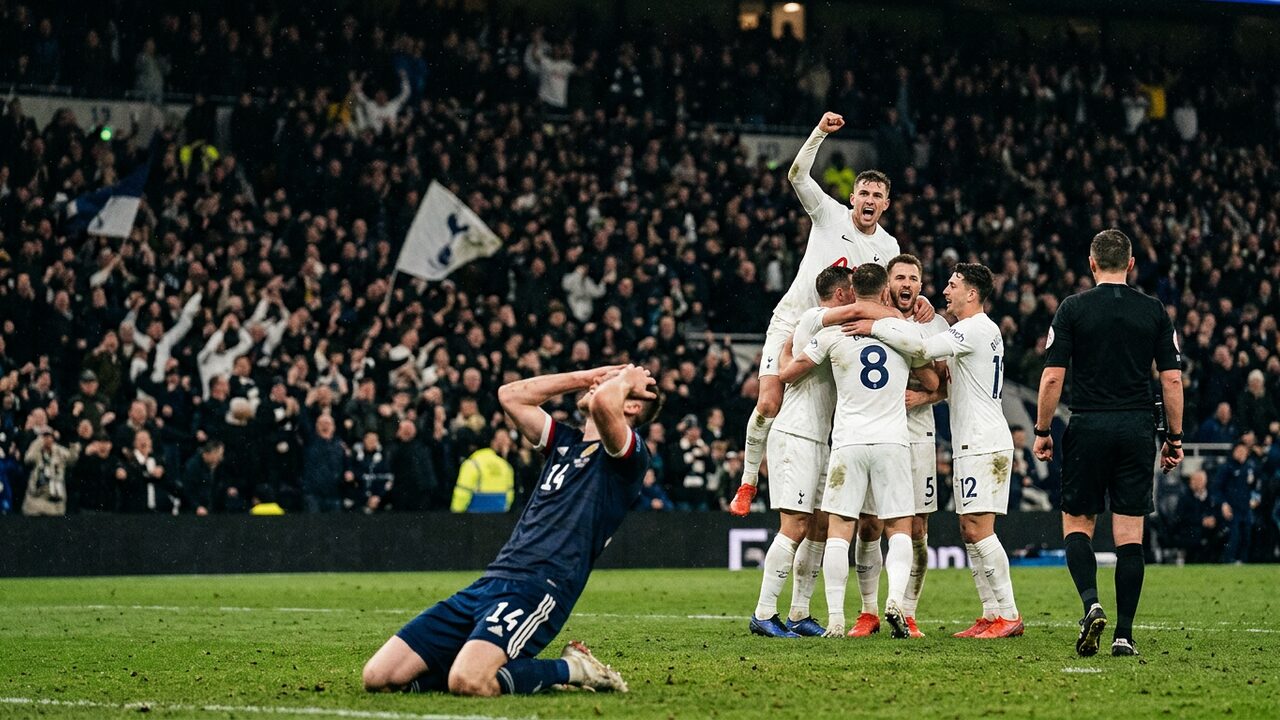
A league season is designed to average out bad luck: a poor performance can be corrected the following week, and the table rewards consistency over many matches. A cup tie offers no such correction. Lose once and the competition ends, which changes what counts as a rational risk. Teams that would happily absorb a loss in the league to rest players often cannot afford the same approach in a cup, and that single fact explains much of the tactical caution, and occasional recklessness, that knockout football produces compared with its league equivalent.
Why underdogs do better in one match
Variance is a smaller opponent's best friend, and a single match contains far more of it than a thirty-eight game season. Over a full campaign, a stronger squad's advantages tend to compound and separate the table into something like a fair ranking, but in one ninety-minute match a weaker side needs only one favourable bounce, one well-executed set piece or one goalkeeping error to win. This is not romantic exaggeration; it is closer to statistics, which is exactly why cup competitions produce shock results at a rate the league table almost never does.
What squads a cup run rewards
A long league season rewards depth, because rotation keeps players fresh across dozens of matches, but a cup run is often better served by a settled first-choice side that has built understanding together, since there are fewer matches to accumulate fatigue across. This is part of why some clubs with excellent squads for league purposes underperform in cups, and why smaller clubs with a settled, well-drilled group can occasionally punch well above the level their overall squad quality would suggest across a full season.