
Rivalry as accumulation, not event
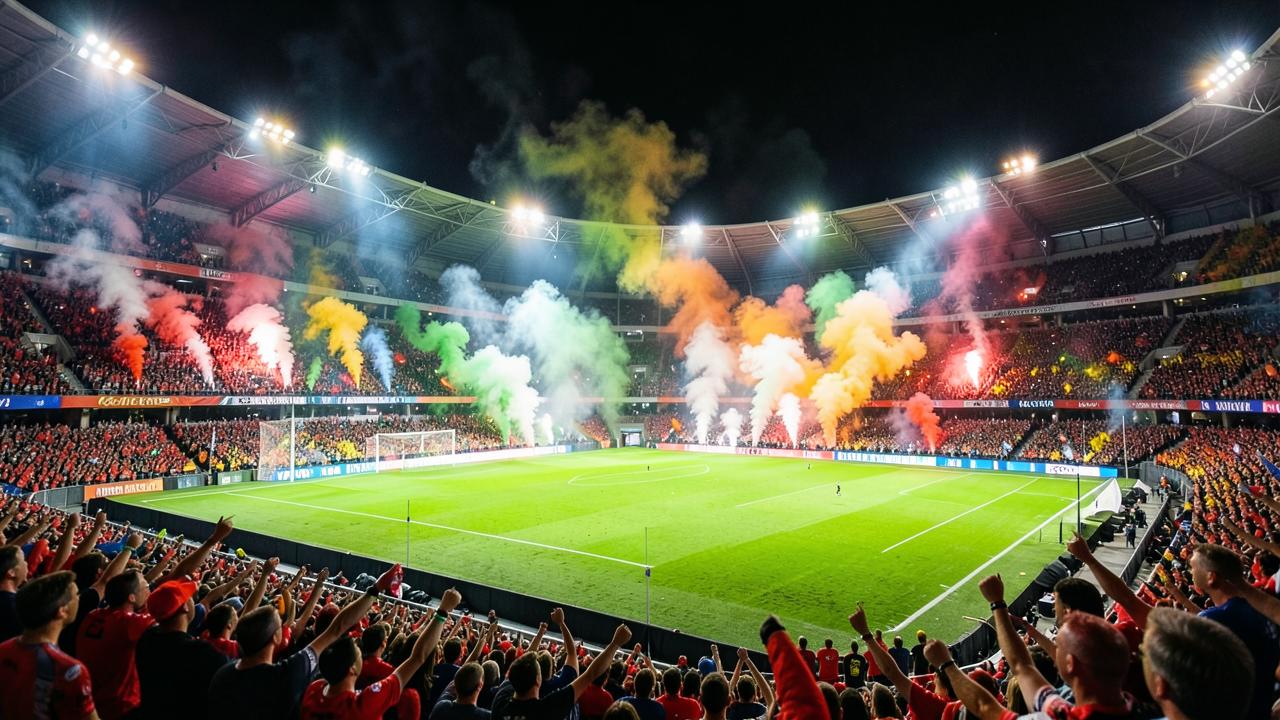
It is tempting to look for a single founding incident that explains a derby's intensity, but most long-running rivalries are built from an accumulation of smaller things: a contested transfer decades ago, a controversial refereeing decision still discussed by people who were not alive to see it, a geographic or class divide that predates football altogether. No single layer would sustain the rivalry on its own, but stacked together over generations they produce something that functions less like a sporting fixture and more like an inherited argument, renewed and slightly reshaped every time the two sides meet.
Why the table matters less than usual
In almost any other fixture, league position is the dominant frame through which a result is understood, but derbies are one of the few matches where that framing genuinely weakens. A team near the bottom of the table can treat victory in a derby as more significant than several league wins elsewhere, because the value being contested is not points but standing within a community that will still be arguing about the result long after both sides have been promoted, relegated or forgotten entirely by the wider footballing conversation.
Why outsiders miss the point
Neutral observers often reach for the scale of a rivalry, comparing crowd size or historical trophy counts, and miss that the specific texture of a derby is usually what matters locally: a particular chant, a particular disputed goal, a particular manager who crossed from one side to the other and was never forgiven. These details rarely translate outward, which is why derbies are often described as more intense than they look from a distance, and why supporters of the clubs involved tend to find outside coverage of the fixture slightly unsatisfying no matter how well it is written.