Football as a vessel for older identities
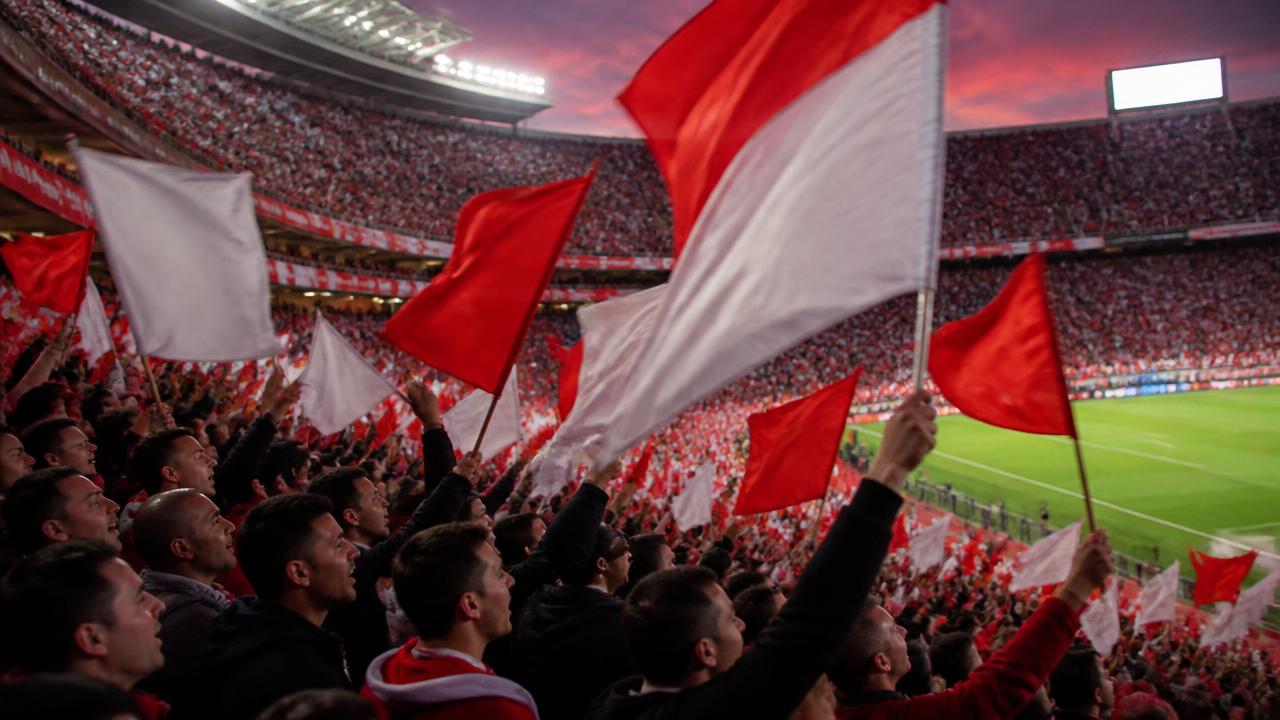
Spain's regions carry distinct languages, histories and civic identities that long predate any football club, and in many cases a club has become one of the clearest public expressions of that regional identity available to ordinary people in daily life. Supporting a particular club can be inseparable from a broader sense of belonging to a specific region or city, which means a derby fixture often carries symbolic weight that has very little to do with the actual football being played that day.
This context is essential to understanding why certain Spanish fixtures generate an intensity that a neutral observer, focused purely on league position or recent form, might find disproportionate. The match on the pitch is real, but for many supporters it is also a stand-in for a much older and broader set of questions about regional identity, autonomy and civic pride that football did not create and will not resolve.
Why the intensity does not depend on the table
One consequence of this deeper context is that a derby's importance to supporters rarely tracks closely with either club's current league position. Two mid-table sides meeting in a regional derby can generate an atmosphere far beyond what the sporting stakes alone would justify, because the occasion is measured by supporters against a different, longer-running scale of significance than a single season's standings.
This can be confusing to outside observers encountering a fixture for the first time without that background, since the sporting narrative alone often understates what is actually happening in the stadium and the surrounding city on derby day. Understanding the regional history involved is not optional context for these matches; it is close to essential to understanding what the occasion actually means to the people inside the ground.
A tension clubs manage carefully
Clubs that carry this kind of regional significance walk a careful line, aware that their identity is bound up with something larger than sporting results, while also needing to operate as modern football institutions competing on a broadly commercial and sporting basis with clubs elsewhere. Balancing those two roles, symbol of a region and functioning football club, is an ongoing institutional challenge that has no permanent resolution.
It also means that decisions which might seem purely footballing from outside, a choice of badge, a stadium name, a statement from club leadership, can be read by supporters through a regional or political lens that has nothing directly to do with football. Clubs operating in this environment tend to be unusually careful about symbolism, aware that very little about their public identity is ever received as neutral.