
A licence, not an ambition
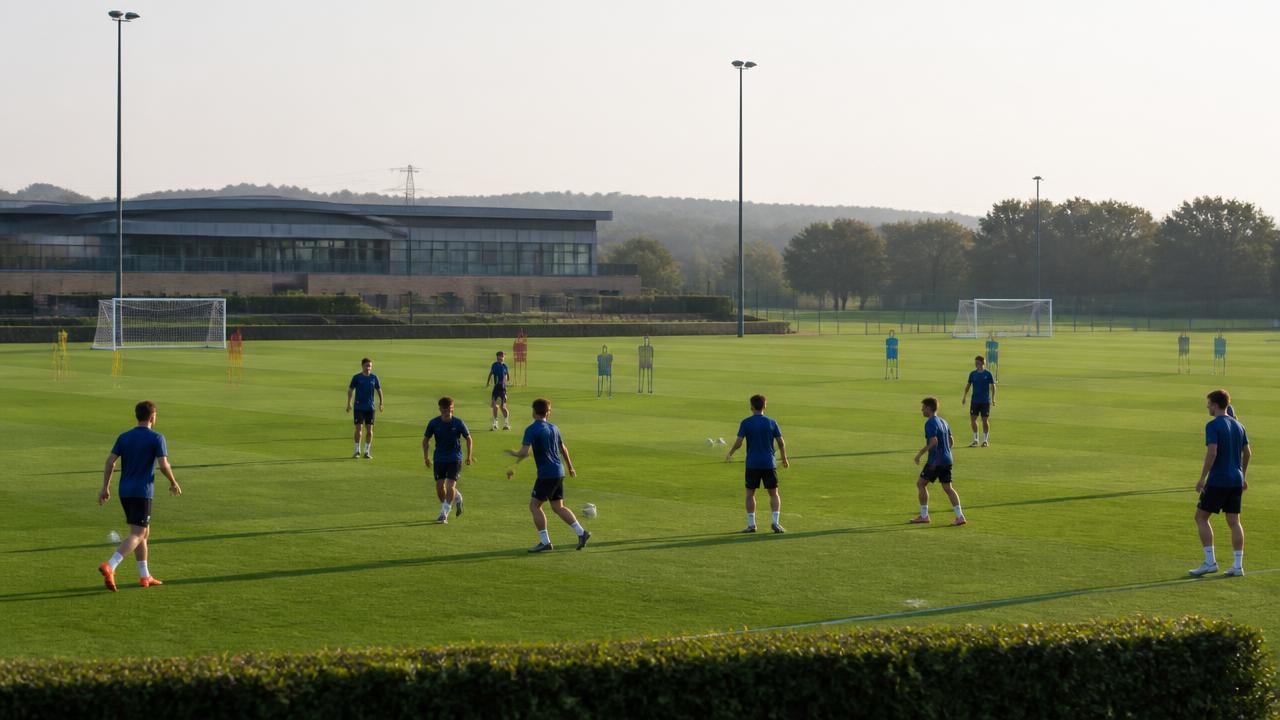
The distinguishing feature of the French approach is that a club's youth operation is a licensed entity with obligations attached. Facilities, medical provision, coaching qualifications and schooling arrangements are all part of what a club must demonstrate, which means a family choosing between clubs is not choosing between a professional environment and an amateur one. That floor is unglamorous and it is the reason the system exports players consistently rather than in occasional waves.
It also changes the internal politics of a club. When the youth structure is a licensed commitment, it survives a change of coach or a bad season more easily than a project that exists only because one director believed in it.
School is part of the contract
Every academy in world football says education matters. The French model writes it into the licence, with timetables built around schooling and staff responsible for it, and that changes the experience of being a fifteen-year-old in the system. A player still trains seriously and is still assessed on football, but the default assumption is that he will need qualifications, because the arithmetic of academies has always been that most entrants do not become professionals.
Coaches inside the system describe this as protective rather than distracting. A player who knows he has something outside football tends to take fewer desperate decisions about agents, moves and money at seventeen, which is often when the damage is done.
What the model is for
It is tempting to judge a training centre by the two or three graduates who reach a major league, and clubs are happy to be judged that way. A more honest measure is what happens to the fifty who do not: whether they leave with an education, whether they find a level of football that suits them, and whether the club stayed in contact when it no longer had a commercial interest.
By that measure the French system is not perfect — no academy system is, and the pressure applied to teenagers by outside interests has grown everywhere — but the structure at least defines a duty rather than leaving it to individual conscience. That is the part other countries have copied most slowly.