
Noise as a rehearsed thing
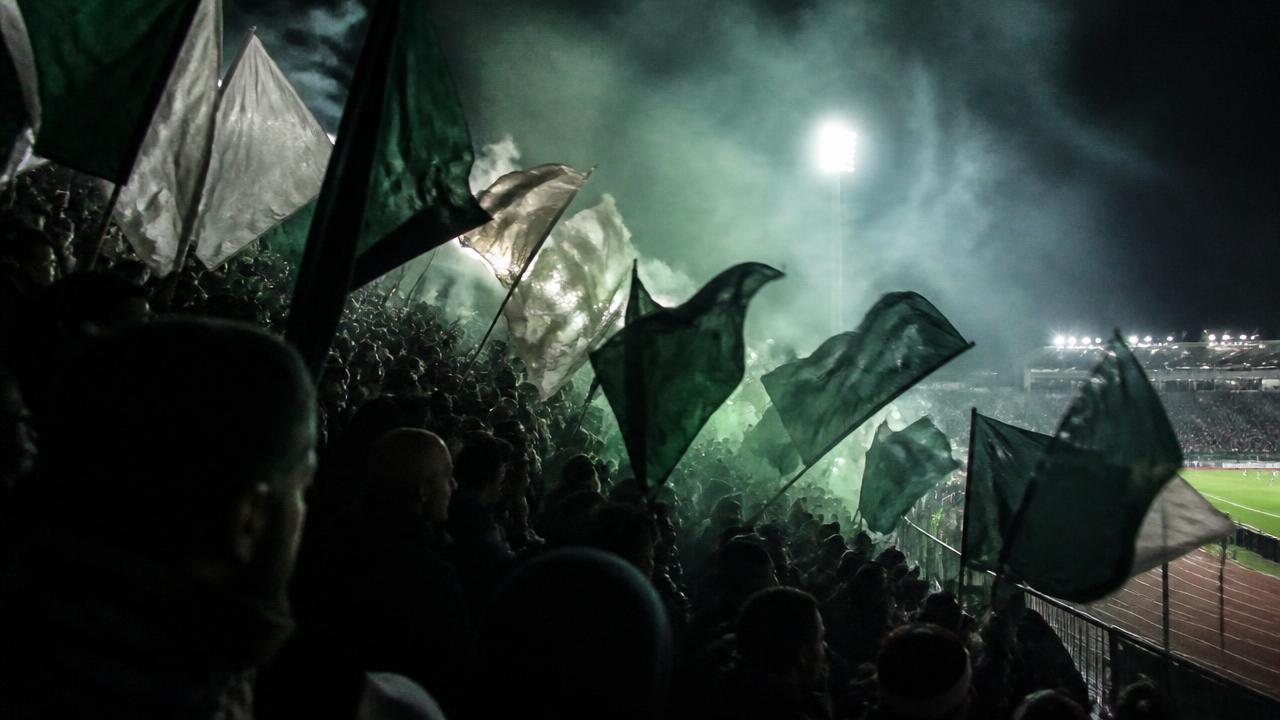
The atmosphere in a French ground behind the goal is not spontaneous. Songs are chosen in advance, a capo faces the crowd rather than the pitch, and the section follows him, which is why the volume can rise while the team is defending badly. To a newcomer this looks like a crowd ignoring the match; to the section it is the whole point, since the support is meant to be unconditional rather than a running commentary on quality.
Displays work the same way. A large banner or a coordinated card display takes weeks of planning, money raised from members and permission from the club, and it is normally timed to a fixture that means something beyond three points.
Groups as organisations
The larger groups are formal: memberships, subscriptions, storage for materials, someone responsible for talking to the club, and internal rules about behaviour. That structure is what allows them to negotiate for away allocations and for the right to bring drums and flags through the turnstiles, and it is also what allows a club to hold them responsible when something goes wrong.
It creates a familiar tension. A group's strength comes from independence, but almost everything it wants to do requires cooperation from the organisation it is often criticising.
Where the arguments happen
The recurring disputes are ordinary: ticket prices, kick-off times moved for television, safety restrictions on flares and banners, and ownership decisions taken without consultation. Supporter groups in France have a long habit of protesting these directly, with silence, banners or boycotts, and clubs know that a section which stops singing is making a point that will be noticed on the broadcast.
None of this is unique to France, but the organised, negotiated quality of it is stronger than in many leagues. If you want to understand why a French stadium sounds the way it does, the answer is less about temperament than about people who treat supporting as a job with a committee.