
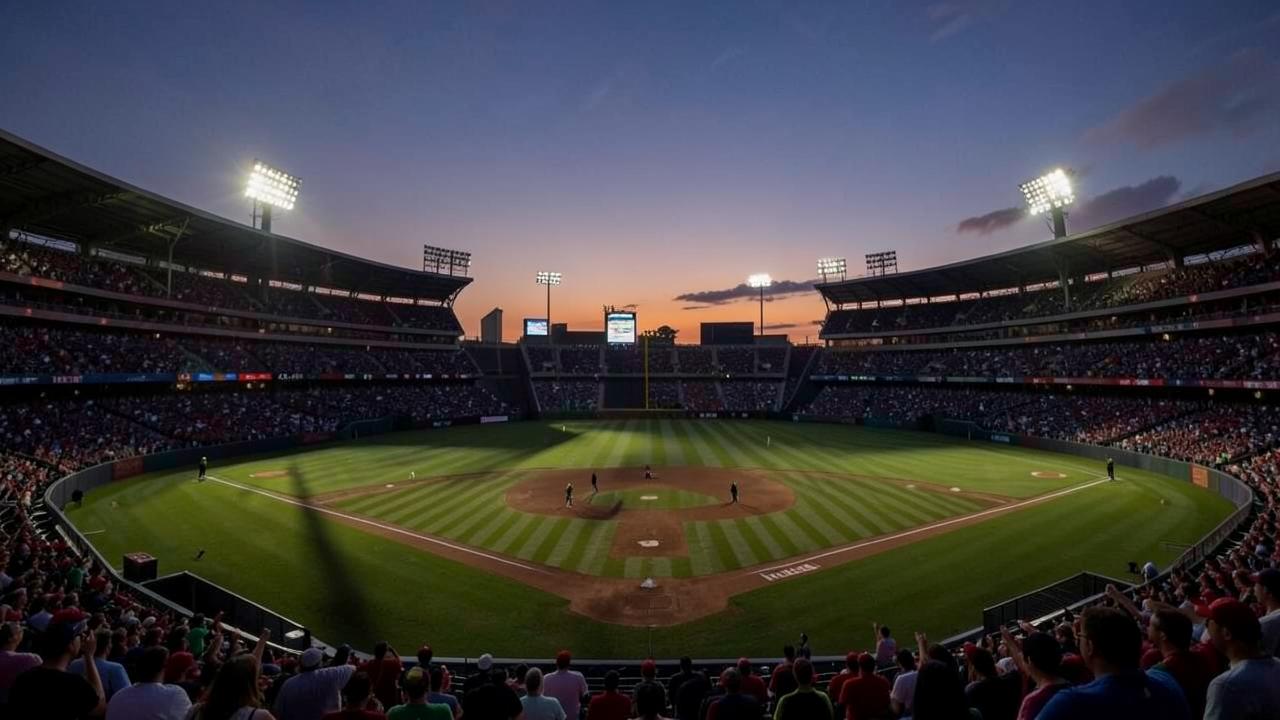
A sport you live alongside
Most sports ask for an appointment once a week. Baseball is on almost every day for months, which makes it something closer to a habit than an event. You do not watch a season so much as keep it running in the background of a summer, and that is a genuinely different relationship with a sport.
People who dislike the format usually treat every game as a diminished version of a big occasion. I think that misreads what the daily game is for. It is not meant to be an occasion. It is meant to be there.
Length as honesty
Baseball has enormous single-game randomness — a good team loses to a poor one often enough that a short season would be close to a raffle. Playing an extremely long schedule is the sport's answer, and it works: by autumn the standings are a serious statement about quality rather than a snapshot of who got hot.
It is worth saying plainly, because the postseason then does the opposite. A short series reintroduces the randomness the regular season spent months removing, which is thrilling and slightly absurd, and most arguments about baseball's format are really arguments about that contradiction.
The cost I take seriously
Attention is finite, and a sport that is always on is easy to never quite start watching. If any argument for shortening the season persuades me, it is that one — not fairness, not fatigue, but the difficulty of making a Tuesday feel worth choosing.
My answer would be better storytelling around the daily game rather than fewer of them. The season already produces the material; what it lacks is anyone framing a random midweek evening as part of something. That is a publishing problem, and it happens to be the one Arena is trying to solve.