
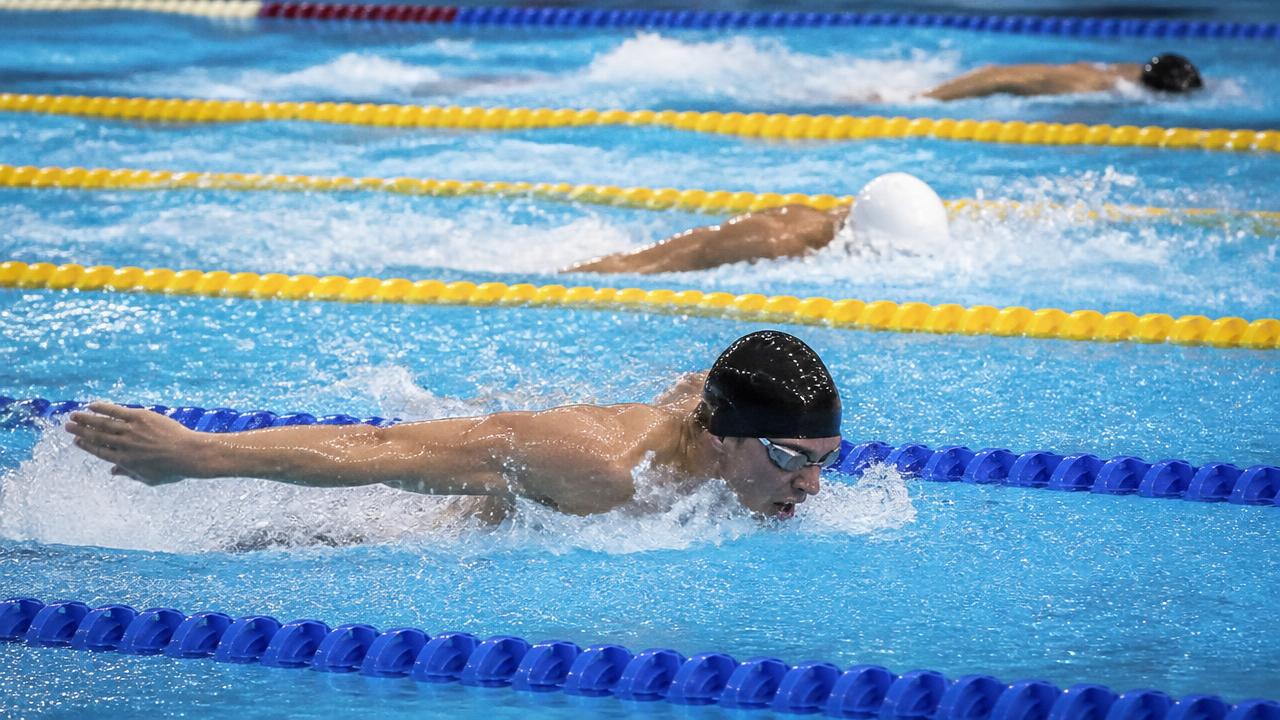
Advancing cheaply
A qualifying round asks only for a place, not a performance. The optimal heat is therefore the slowest one that still guarantees progress, because everything spent above that threshold is unavailable later. Athletes who win heats emphatically are sometimes admired for it when they should be questioned about it.
The final is a different question
Once through, efficiency stops mattering entirely. There is nothing to save for, so the calculation flips from conservation to full expenditure. Athletes who spend a week thinking in terms of management sometimes struggle to switch, which is one reason finals occasionally look tentative.
Budgeting across a programme
For athletes with several rounds or several events, the whole championship is a budget: how much can be spent today without compromising the day that actually matters. That planning is invisible on screen and explains many results that otherwise look like inexplicable form swings.