
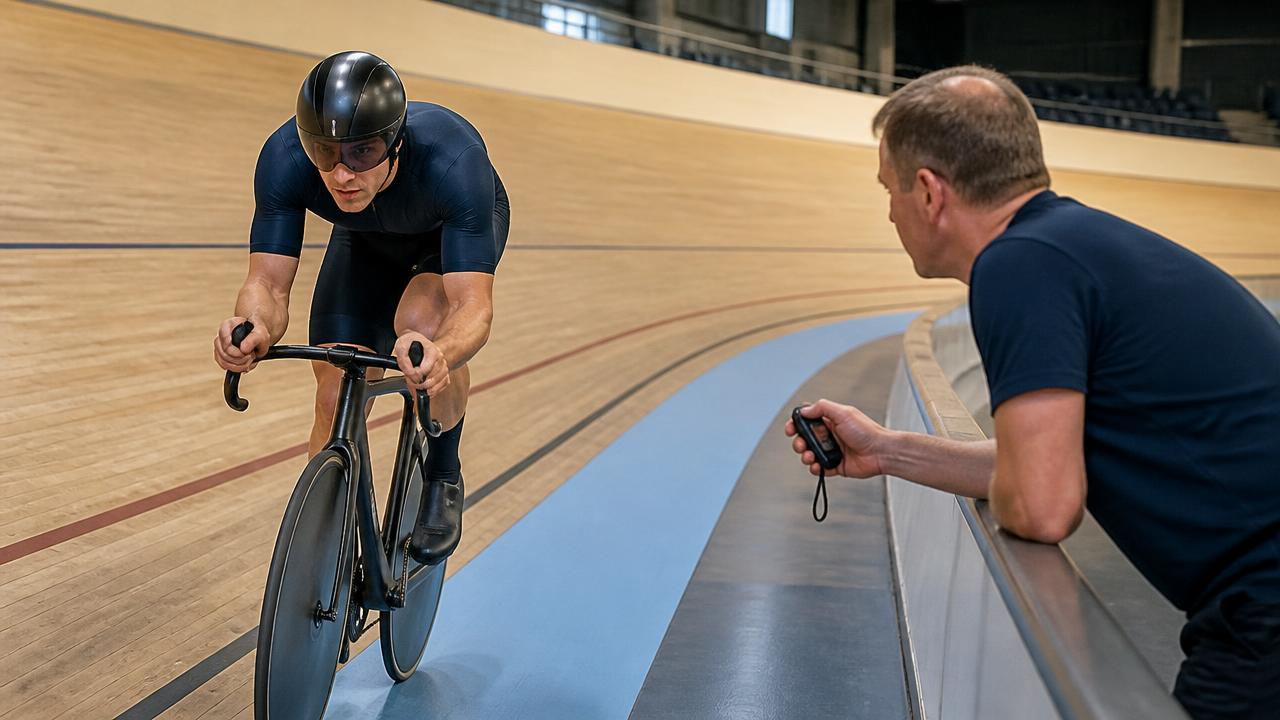
Where the idea earns its reputation
In sports measured to hundredths, the distance between a medal and fourth place can be smaller than the effect of equipment, warm-up routine or sleep quality. Stacking several such improvements genuinely changes outcomes, because the outcome is that finely divided in the first place.
Where it misleads
In sports decided by tactical choices or direct opposition, results move in large steps rather than fractions. Optimising recovery protocols will not compensate for a flawed game plan. Applying the language of marginal gains to those sports often signals a programme avoiding a harder conversation about its fundamentals.
The attention cost
Every marginal project consumes staff time and athlete patience. If the binding constraint is technique or decision-making, that attention is being spent on the wrong thing while feeling productive. The first question of any programme should be what actually limits performance here, not what can be measured most easily.