
The unglamorous middle years
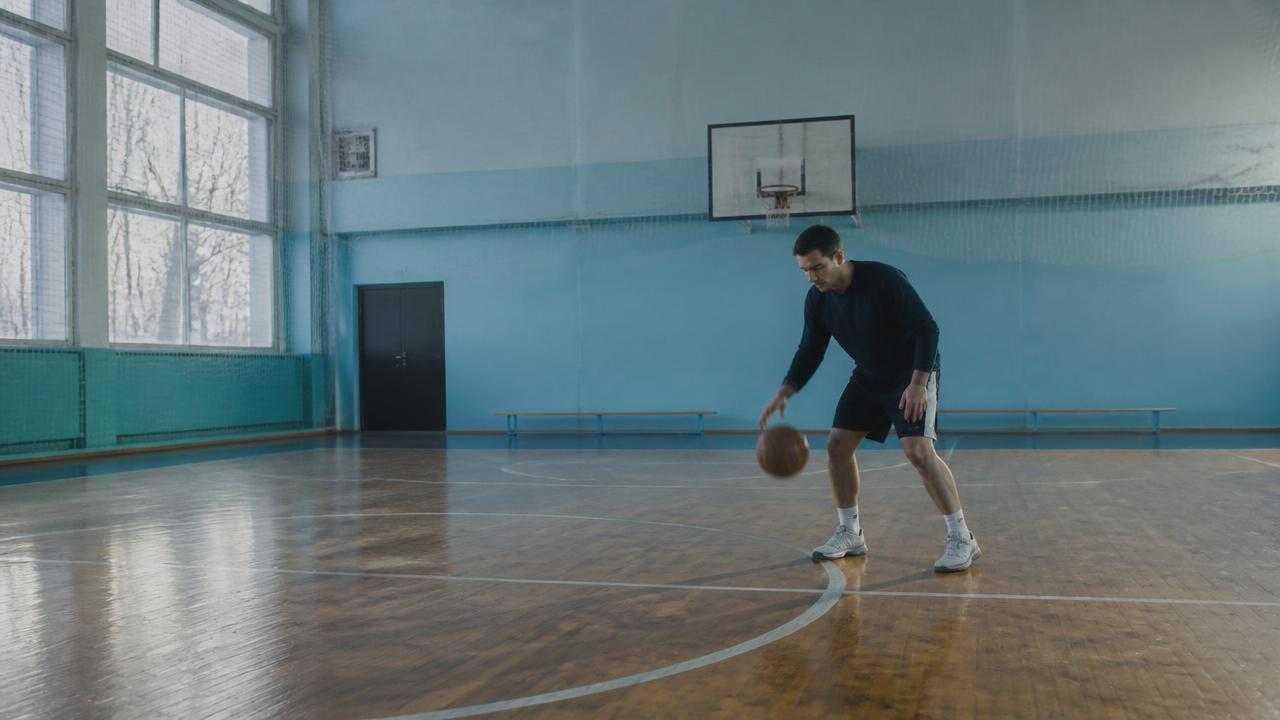
Between Games, athletes in less commercial sports typically combine training with work or study, fund their own travel to qualifying events, and organise their lives around a competition several years away. The public sees a fortnight of high performance and reasonably assumes a professional infrastructure behind it. Often the infrastructure is a coach, a spreadsheet and a supportive employer.
Funding as a feedback loop
Support is frequently tied to results, which creates an awkward loop: the athletes most in need of resources to improve are the ones least likely to receive them. It also pushes some towards competing while injured, because a missed cycle can mean a lost income. These are structural incentives, not individual choices.
The strange fortnight
Then attention arrives all at once — interviews, audiences, expectation — for people accustomed to competing in near silence. Handling that is part of the event, and it is a skill nobody trains for because it is only ever required a handful of times in a career.