
A problem of marking, not movement
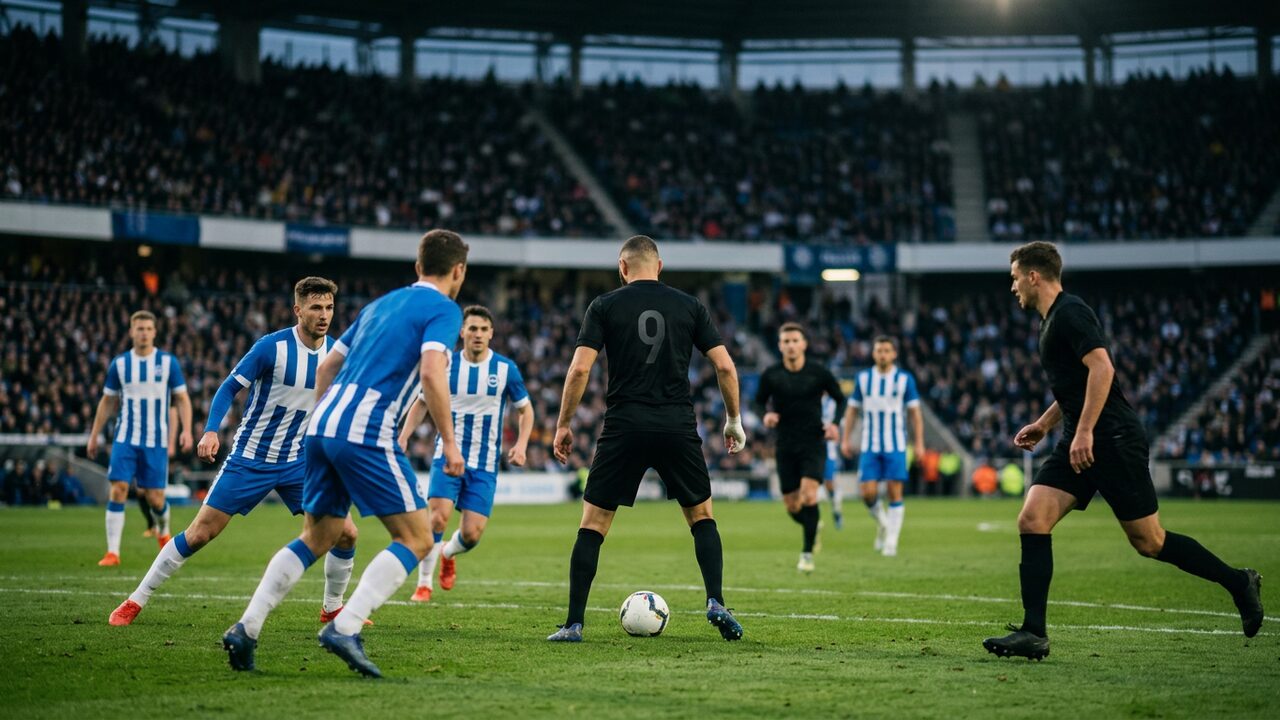
A false nine drops away from the last defensive line into midfield areas, and the interesting part is not the movement itself but the dilemma it creates. If the marking centre-back follows, a gap opens behind the defence that quick teammates can run into; if the centre-back stays, the false nine receives the ball unmarked in space with time to turn and pick a pass. Either choice benefits the attacking team, which is why the role is really about manufacturing a decision the defender cannot make well, rather than about the striker's individual skill in deep areas.
Why it needs support
A false nine only works if the space it creates gets used. Wide forwards or attacking midfielders need to be willing to sprint into the central area the striker has vacated, and the timing of that run matters more than its speed, since arriving too early simply crowds the space the striker just cleared. Teams that use the role well tend to have fluid attacking players comfortable interchanging positions, because a false nine played in isolation, with nobody occupying the space behind, just removes a central striker from the penalty area without creating a compensating threat.
Where the tactic runs into trouble
Defences have adapted by refusing to follow the false nine at all, instead stepping a midfielder out to close them down while the centre-back holds the line. This denies the striker time on the ball without opening the space in behind, and it is one reason the role has become less of a guaranteed advantage than it looked a decade ago. Like most tactical innovations, its value depends on the opposition not yet having a rehearsed answer, and once that answer exists the same movement produces far less.