
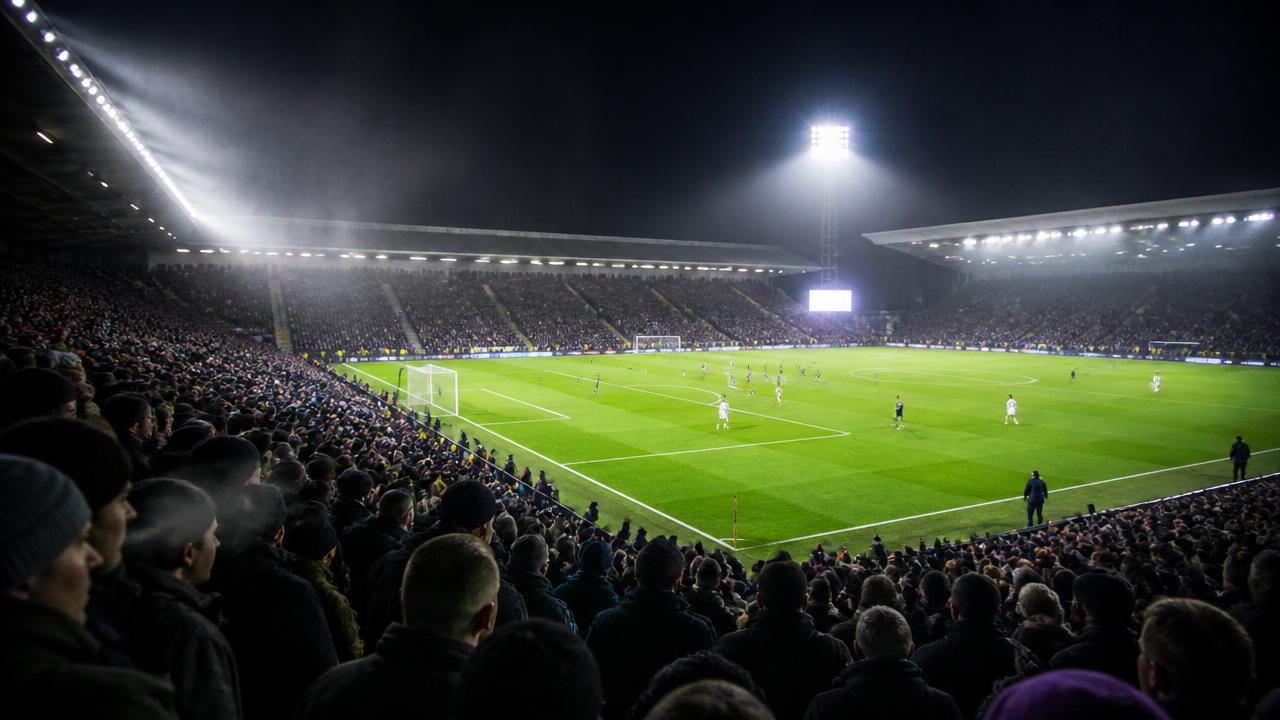
A holiday built around fixtures, not away from them
In most of continental Europe, the winter calendar includes a break of several weeks, built in partly for weather and partly for player welfare. English football has historically gone the other way, packing fixtures into the days either side of Christmas rather than clearing them. The habit began in an era when travel was simpler and squads smaller, when a club fielding roughly the same eleven players every few days was simply how the game worked, and the schedule never fully caught up with the idea that a modern squad might be managed differently.
What has changed is not the calendar but the tools coaches use to survive it. Rotation, once viewed with suspicion by supporters who wanted to see their best players every week, is now treated as a competitive necessity, and clubs that carry genuine depth in every position are better placed to come through the period competitive rather than depleted.
A stress test disguised as tradition
Framed one way, the festive fixture list is simply congestion; framed another, it is one of the clearer diagnostic periods in a season, because it removes the excuse of a light schedule. A squad's third-choice full-back or its backup number six gets minutes that matter, and how those players perform tells a coach more about squad depth than months of rotation in dead fixtures ever could.
The counterargument, that quality suffers when players are asked to perform on short recovery, is not wrong, but it has coexisted with the tradition for so long that it has become part of what the period is understood to test. English football has generally preferred a busy calendar that reveals depth over a quieter one that protects a first-choice XI, and that preference says something about how the league defines a strong squad in the first place.
Why the debate persists without resolving
Calls for a winter break are not new, and English football has experimented with shortened versions without fully adopting the continental model. Part of the resistance is cultural: supporters have grown up expecting football between Christmas and New Year, and clubs are wary of removing a fixture pattern that reliably fills stadiums during the one period when most people have time off work to attend.
The more durable argument is that the congestion is a known quantity clubs can plan for, unlike an injury crisis or a refereeing controversy, which makes it one of the few predictable stress points in a season. Coaches who build squads with that period specifically in mind, rather than treating it as an unfortunate accident of scheduling, tend to be the ones still competing on multiple fronts by February.