
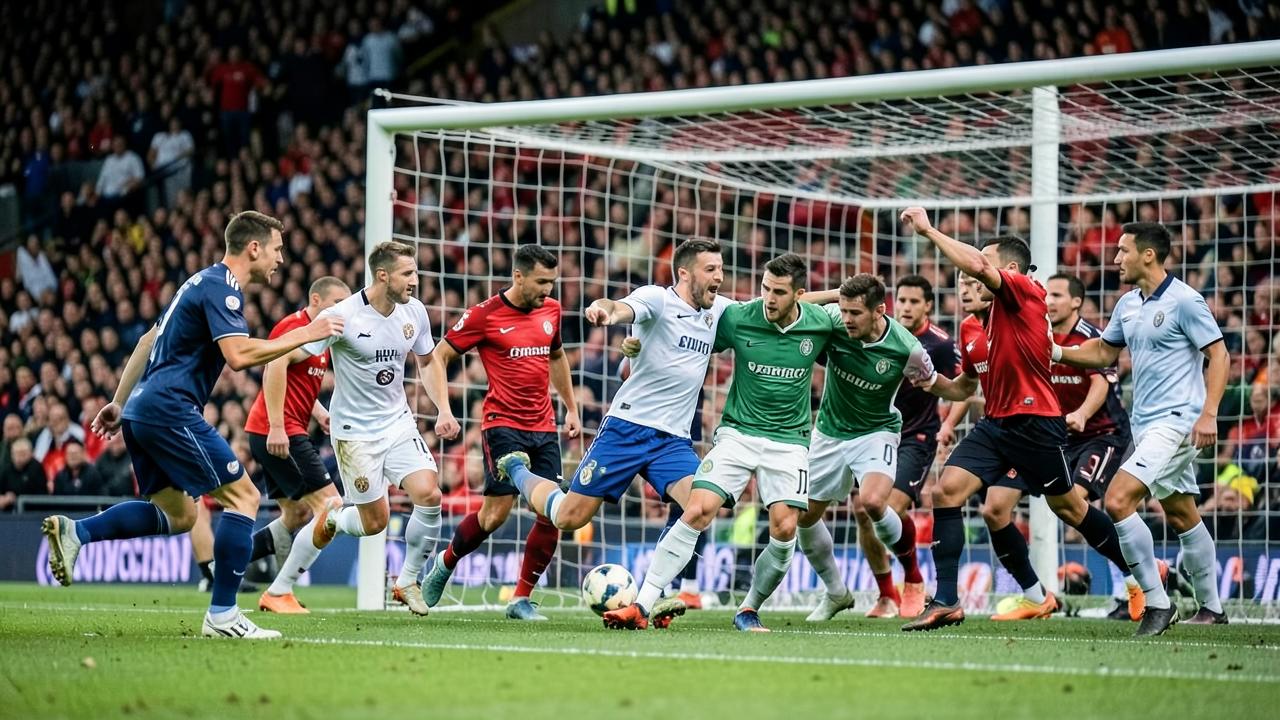
A pause that resets the rules
Open play unfolds too quickly for a coach to dictate every movement, but a dead ball gives a team a rare moment to arrange the pitch exactly as it wants. That is why clubs employ specialist coaches purely for set pieces: the skill being coached is not athleticism but choreography, timing runs so that a defender is blocked, distracted or simply outnumbered at the moment the ball arrives. Watching a corner as a designed sequence rather than a scramble reveals far more about what is happening than watching the ball alone.
Blockers and decoys
Much of the interesting work in a set piece happens away from the eventual point of contact. A blocking run, sometimes barely inside the rules, can free a teammate by occupying the defender who would otherwise mark him, and a decoy run toward the near post can drag defenders out of the zone where the real threat is arriving. None of this shows up in a highlight clip of the goal itself, but it is usually the reason the goal was possible at all, which is why the same delivery can succeed once and fail the next ten times.
What marking choices reveal
Teams that defend set pieces with zonal marking are prioritising control of dangerous areas over matching individual runners, while man-marking systems prioritise stopping a specific opponent even if it means leaving space unattended. Neither approach is simply correct, and many teams now mix the two, zoning the most dangerous areas while assigning markers to the most dangerous individuals. The choice says a great deal about what a coach fears most, and it is one of the clearest tactical signals available before a ball is even delivered.