
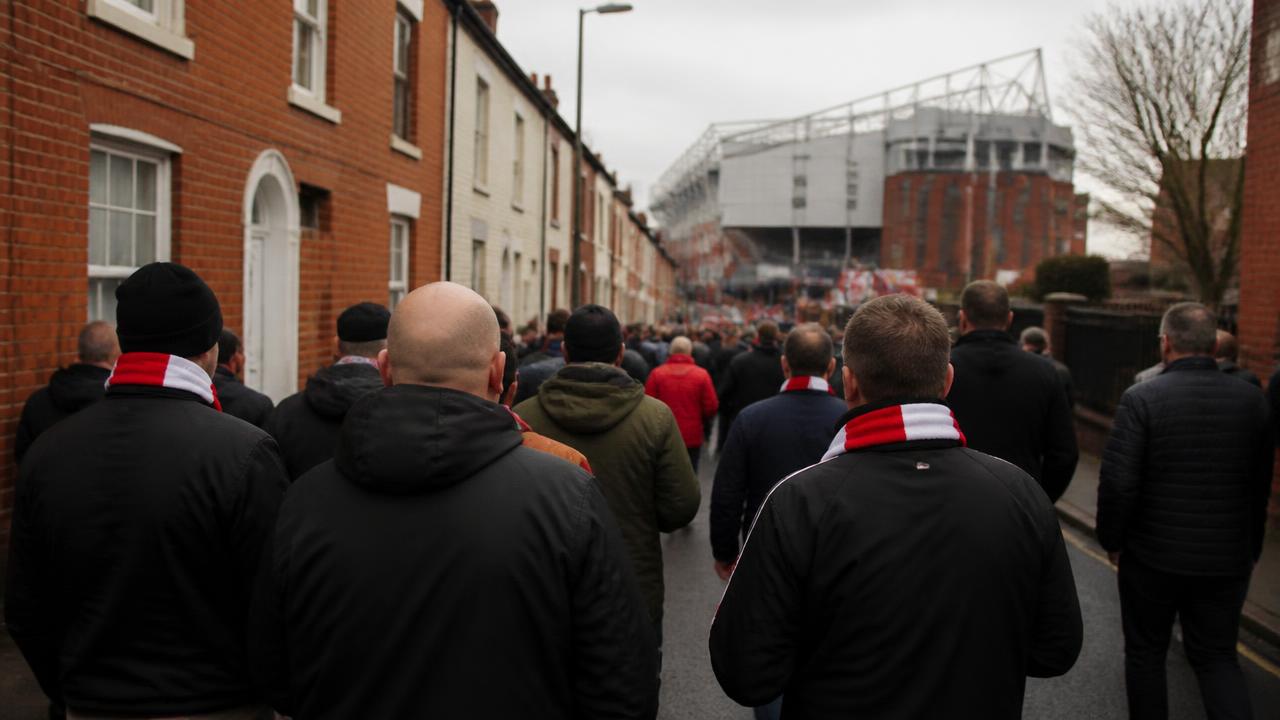
A day, not just a game
Ask a regular supporter to describe a matchday and the game itself is often a small part of the answer. There is the same train, the same pub, the same seat at the bar, the same walk past the same landmarks toward the ground, repeated so often across a season that the sequence becomes as familiar as the football played inside it. This routine is not incidental to the experience; for many supporters it is the experience, with the match functioning as the scheduled centrepiece of a day that would still feel worthwhile without a good result.
Clubs have, to varying degrees, understood this and built matchday operations around it, from fan zones outside stadiums to earlier gate openings that give the pre-match gathering somewhere official to happen. But much of the ritual persists entirely outside anything a club organises, sustained by supporters themselves meeting in the same places because that is simply what matchday has always meant to them.
The pub as an informal institution
The pre-match pub occupies a strange but important role in English football culture: unofficial, unaffiliated with the club, yet often more central to a supporter's sense of belonging than the stadium itself. Regulars recognise each other season after season without necessarily knowing names, bound together by nothing more than choosing the same place to be before kick-off, and those loose social ties accumulate into something that feels like community even when it never extends beyond matchday.
This is part of why relocating a stadium, or redeveloping the streets around one, can provoke resistance disproportionate to the practical inconvenience involved. Supporters are not simply defending a building; they are defending a geography of habits, and a new stadium in a new location often takes years to develop the same density of informal ritual around it, if it ever does.
Why the ritual outlasts results
One of the more useful things the matchday ritual explains is why attendances can remain remarkably stable through difficult seasons. A poor run of form changes very little about the walk to the ground, the company in the pub, or the seat in the stand, and supporters who have built a season's rhythm around those constants often find that the routine itself is enough of a reason to keep attending, independent of results.
That is not to say results do not matter; they clearly do, and prolonged decline tests loyalty in ways that ritual alone cannot fully offset. But it helps explain why football support so often resembles habit and belonging as much as it resembles simple preference for winning, and why supporters can describe a defeat as part of a good day out without any contradiction intended.