
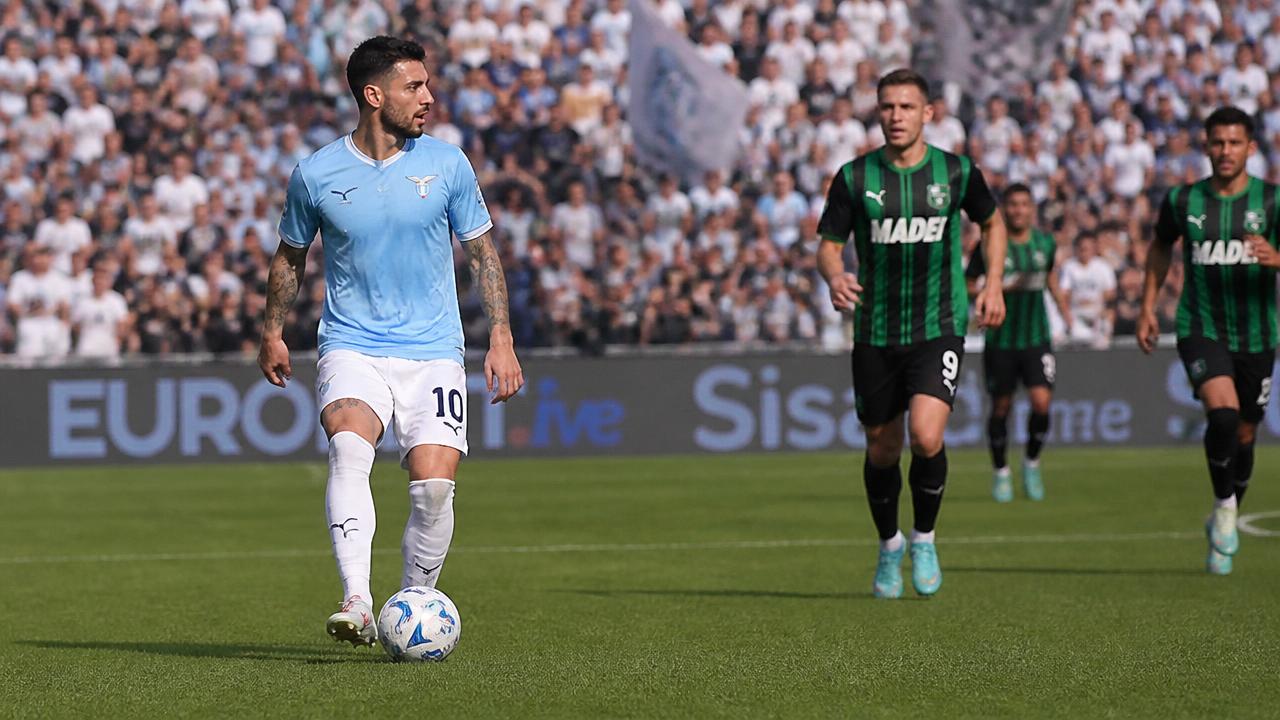
Speed is not the only variable that matters
Football coverage often treats tempo as something that simply happens, a by-product of how open or cagey a match becomes, rather than something a team can actively manage as a deliberate tactic. Italian football's tactical tradition has long pushed back against that framing, treating the pace of a match as a genuine variable to be controlled, in the same way possession or territory might be controlled, and building specific in-game habits designed to slow a match down when doing so serves a team's interests.
This might involve a goalkeeper taking longer over a goal kick, a defender choosing a safer sideways pass over a riskier forward one, or a team simply refusing to be drawn into a fast exchange of attacks that an opponent is trying to provoke. None of these actions look dramatic individually, but collectively they can change the entire character of a match, and that collective effect is the actual point.
How tempo control connects to defensive shape
Slowing a game down is rarely an end in itself; it is usually in service of maintaining a defensive structure that a faster, more chaotic match would put under greater strain. A team that can dictate a slower tempo gives its defensive line more time to reset between phases of play, reducing the number of moments where defenders are forced into rushed, reactive decisions under direct pressure.
This is part of why teams strong defensively often also show a marked ability to control tempo, since the two skills reinforce each other: good defensive organisation makes it easier to slow a game down without conceding territory, and a slower tempo in turn makes defensive organisation easier to maintain. The relationship between the two is close enough that it can be difficult to say which capability is actually driving the other in a given match.
Why the skill is undervalued by casual observation
Because tempo control rarely produces a single dramatic, visible moment, it tends to be undervalued in casual analysis compared with more obviously exciting tactical elements like a rapid counter-attack or a high press. A team that successfully slows a match into a pattern that suits it is doing something genuinely difficult and skilful, but the evidence of that skill is an absence, fewer transitions, fewer chaotic moments, rather than a presence that can be easily replayed and celebrated.
Recognising tempo control as a deliberate tactic changes how a viewer reads a slow, low-event match. Rather than interpreting such a game as simply lacking quality or ambition, it is worth asking whether one team engineered that pace specifically because it neutralised an opponent's strengths, which is often exactly what a patient, well-coached side is trying to do.