
Depth is a trade, not a preference
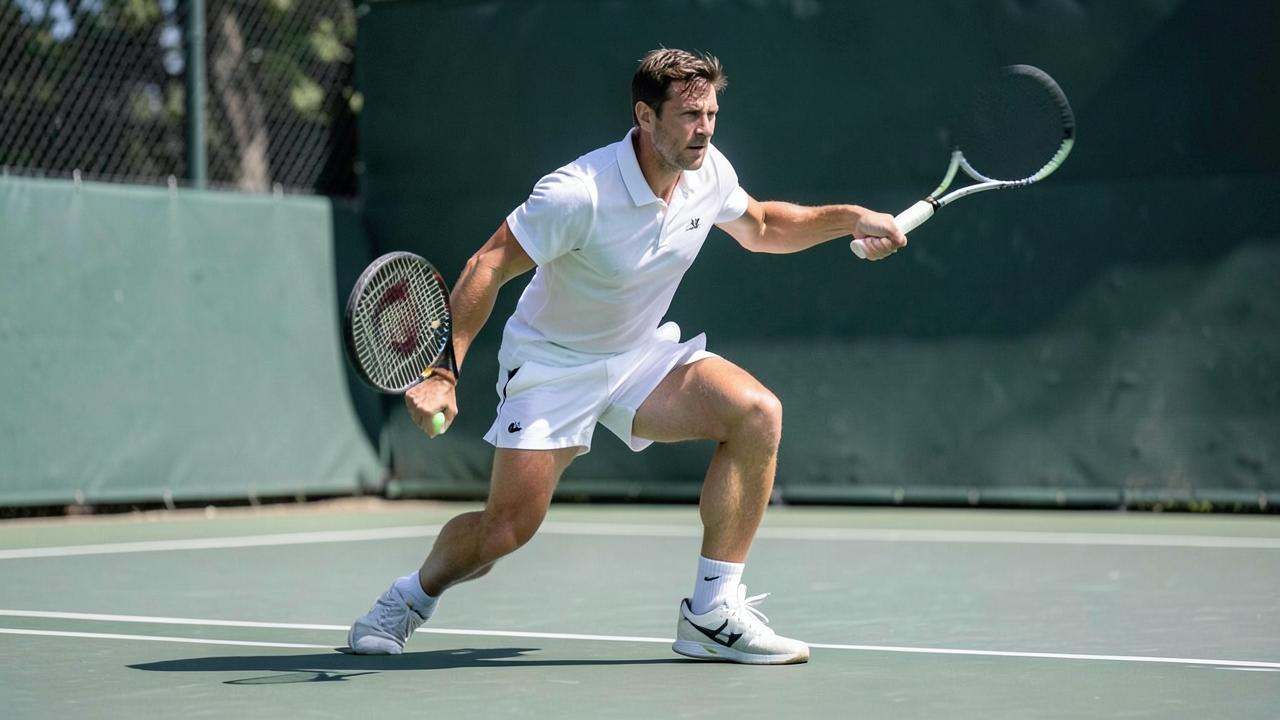
A returner standing close to the baseline takes the ball earlier and shortens the server's time advantage, but gives up the extra fraction of a second needed to adjust to real pace or an awkward bounce. Standing further back buys that time but hands it straight back by allowing the server's shot to travel further before being returned, often into a more attacking position. Neither depth is correct in general; the right choice depends on the server's pace and the returner's own reflexes, and switching depth during a match is itself a tactical signal worth watching.
Lateral position as a guess
Standing slightly to one side of centre is a wager on where the next serve is going, made using whatever the returner has noticed about a server's patterns, stance or the score itself, since certain serves are statistically favoured on certain points. Guess correctly and half the read is already done before the ball leaves the racket; guess wrong and a routine serve can look unplayable simply because the body was already committed the other way.
Adjusting point by point
The best returners are not defined by one correct position but by how visibly they move between points, edging in after a server double-faults under pressure or drifting back after being burned by a body serve. That constant small adjustment is largely invisible to a casual viewer, yet it is often the difference between a returner who occasionally steals a break and one who manufactures pressure on serve throughout a whole match.