
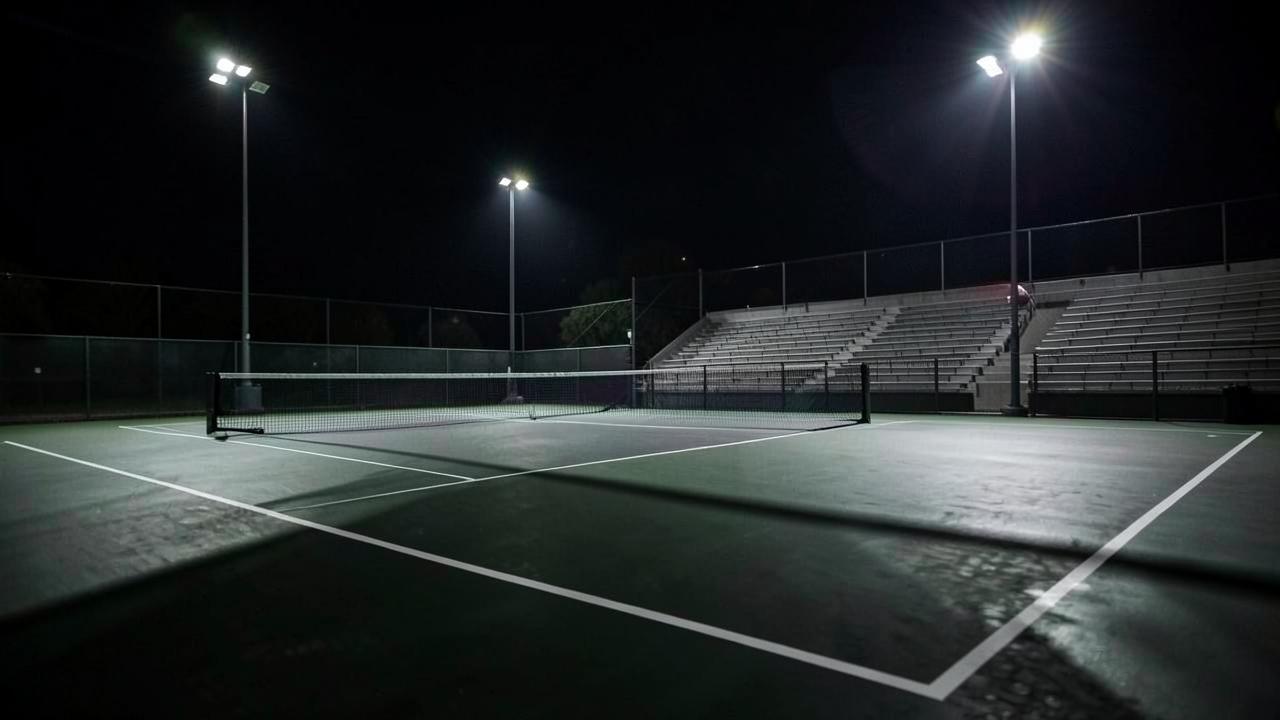
Why night sessions exist at all
Evening matches at major tournaments are scheduled where they are because that slot reliably draws the largest attendance and the most valuable broadcast audience, particularly across time zones. From a promotional standpoint the logic is straightforward: put a high-profile match in the slot that most people can actually watch. The difficulty is that tennis has no game clock, so a session built around a fixed start time has no matching guarantee about when it will end.
How a match can run into the morning
Because a best-of-five match can extend well beyond any planned length, particularly if it runs to a deciding set or two, a night session that starts at a sensible hour can still finish many hours later, sometimes after midnight local time. If a shorter match precedes it and finishes early, or a previous session overruns, the delay compounds further, and neither player has any way to know in advance roughly when their own match will actually begin or end.
The uneven recovery that follows
The consequence that matters competitively is recovery time before the next round: a player who finishes at two in the morning has measurably less time to eat, sleep and treat any physical issues than an opponent who played and finished during the afternoon the same day. Tournaments have experimented with earlier scheduling and stricter curfews to manage this, but as long as match length itself remains unlimited, the underlying tension between broadcast timing and player recovery has no complete fix.