
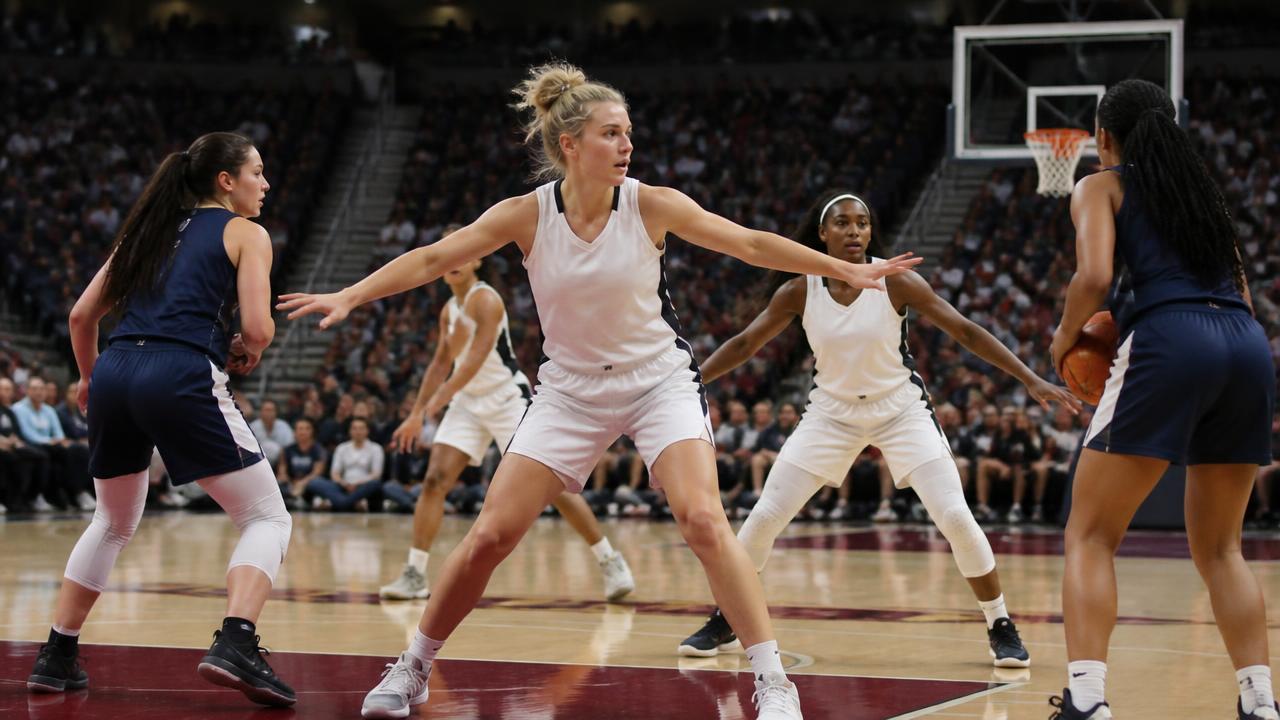
The trade-off is the plan
Because there are five defenders and more than five places worth defending, every scheme is a decision about what to give up. Crowding the paint concedes outside shots. Chasing shooters concedes the rim. Aggressive help concedes the extra pass. None of these is a failure; they are the price of the protection chosen elsewhere. A defence that appears to concede nothing is usually one whose concession has not yet been located.
Fitting the scheme to the players
A scheme is only as good as the personnel executing it. Heavy switching requires defenders who can hold their own across sizes; deep drop coverage requires a rim protector comfortable defending in space behind a screen. Coaches who install a scheme because it is fashionable rather than because their roster suits it end up conceding both the intended shot and the unintended one.
Watching for the second adjustment
In a short series, the interesting moment is not the first adjustment but the second. The first is predictable: attack the concession. The second reveals whether the defence has a genuine alternative or has simply been solved. Teams with two workable coverages can move the trade-off around; teams with one can only hope their opponent misses.