An actually open season
The appeal is simple: in most seasons a handful of clubs begin with a real claim to promotion and nobody can be confident which of them will manage it. That uncertainty lasts into spring, which is more than can be said for many top divisions, and it produces the kind of late-season fixtures where both sides need three points and neither can afford to be sensible.
Competitive balance is the thing broadcasters talk about and leagues rarely deliver. Here it exists as a by-product of nobody being rich enough to dominate.
What that does to the football
When results are genuinely uncertain, teams take risks earlier. Coaches chase games they might have managed, substitutions are more aggressive, and matches are decided in the last twenty minutes more often than the neat version of football theory would predict. It is less controlled and more watchable.
It also means table position tells you less. A side sixth in November can be promoted and a side second can miss out, so the season stays interesting for more clubs and more supporters.
The honest trade-off
Nobody should claim the standard matches the division above. The technical level is lower, the best players are the ones about to leave, and a neutral watching for quality alone will prefer the top flight. That is a fair criticism and not a very interesting one.
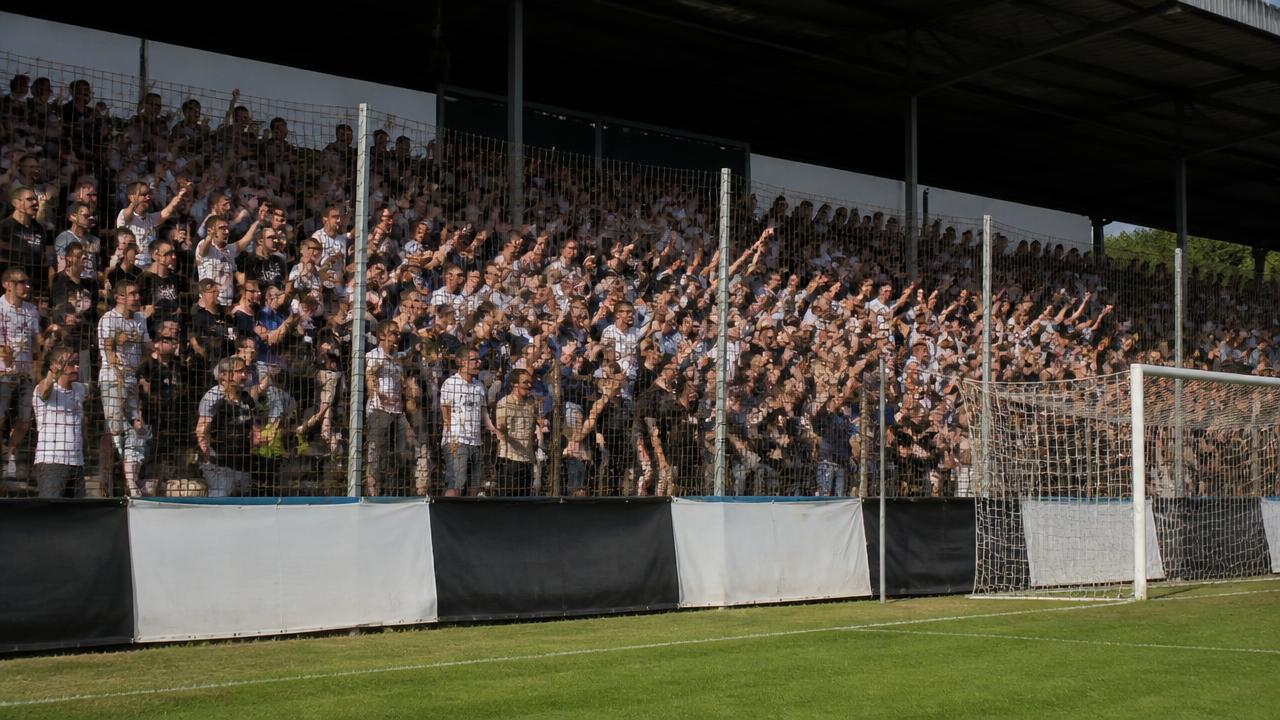
What is on offer instead is jeopardy, full terraces and clubs whose supporters can still believe something is about to change. For a lot of viewers, that is the better ninety minutes.
The argument against my own case
The romantic reading has limits. Second-division football is often ragged, the standard varies week to week, and clubs with large histories can spend years there because being well supported is not the same as being well run. Anyone promising consistent quality at this level is overselling it.
I would still rather watch it than a comfortable mid-table fixture higher up. Every match has something at stake for somebody, promotion and relegation are decided by teams that genuinely could go either way, and the football is played by people whose careers turn on the result. That is a fair exchange for a few poor games.