
Terraces and prices
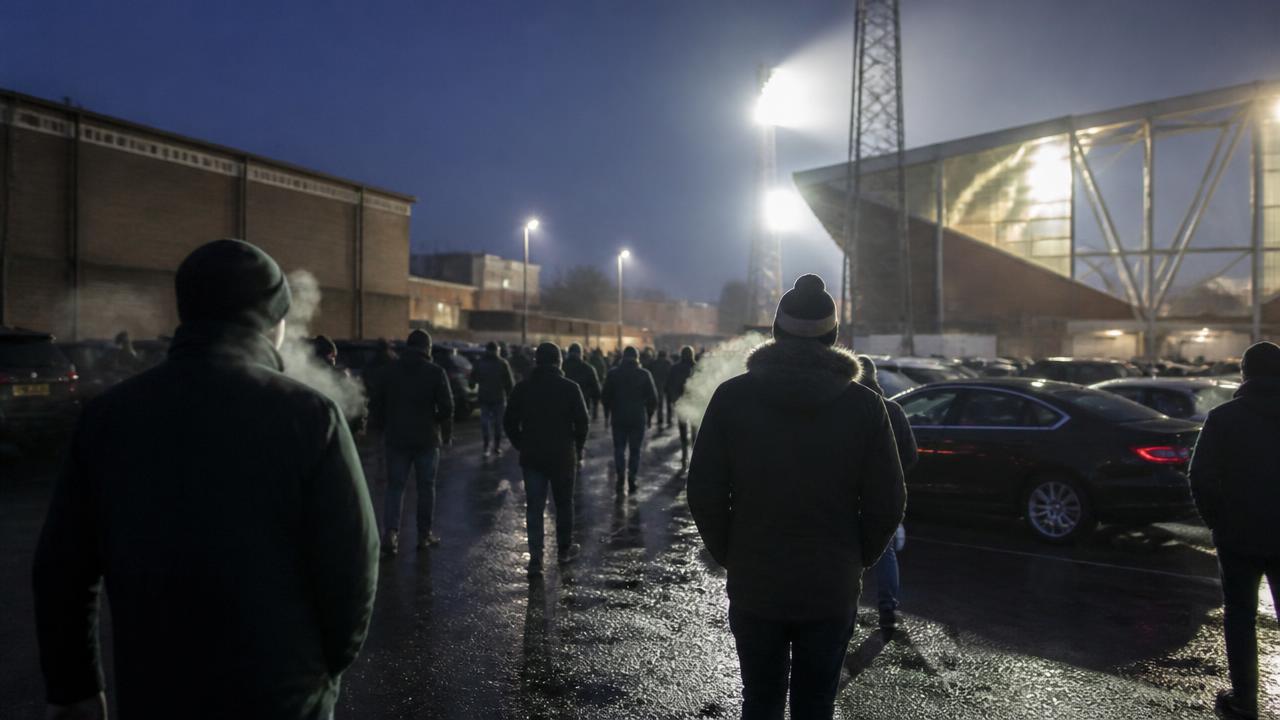
German grounds retain large standing areas for domestic fixtures, and the tickets for them are inexpensive by the standards of European football. That combination changes who is in the stadium: younger crowds, more regulars, and a section behind the goal that can generate noise for ninety minutes because standing supporters are physically able to.
It is the least mysterious explanation for high attendances. If a family can attend regularly without treating it as an annual expense, they attend regularly.
Clubs that belong to members
Member-based ownership structures give supporters a formal say in how their club is run, which produces slower decisions and stronger attachment. Supporters who elect officials treat the club as something they belong to rather than something they consume, and that shows in how a bad season is absorbed: with anger at meetings rather than with an empty stand.
It is not a guarantee of good governance, and members can vote for short-term choices as easily as anyone. But it makes the relationship between a club and its city harder to break.
Big clubs at the wrong level
The division regularly contains clubs with large stadiums, long histories and crowds far bigger than their league position suggests. The atmosphere at those grounds is a mixture of pride and frustration, and the football is played under expectations the squad cannot always meet — which is exactly why the fixtures are worth watching.
For a visitor it is the most accessible version of German football: full terraces, an audible crowd, and a match that matters intensely to everyone in it.
Why the atmosphere is not an accident
The noise in these grounds is produced by structures, not moods. Standing terraces put large numbers of people close to the pitch, membership models keep tickets affordable enough for weekly attendance, and organised supporter sections rehearse what a crowd will do rather than leaving it to the scoreline.
That is worth stating plainly because atmosphere is often described as something a city simply has. It is closer to infrastructure. Where the standing area is removed or the pricing changes, the sound changes with it, which is why supporters in Germany treat those arguments as seriously as they treat recruitment.