
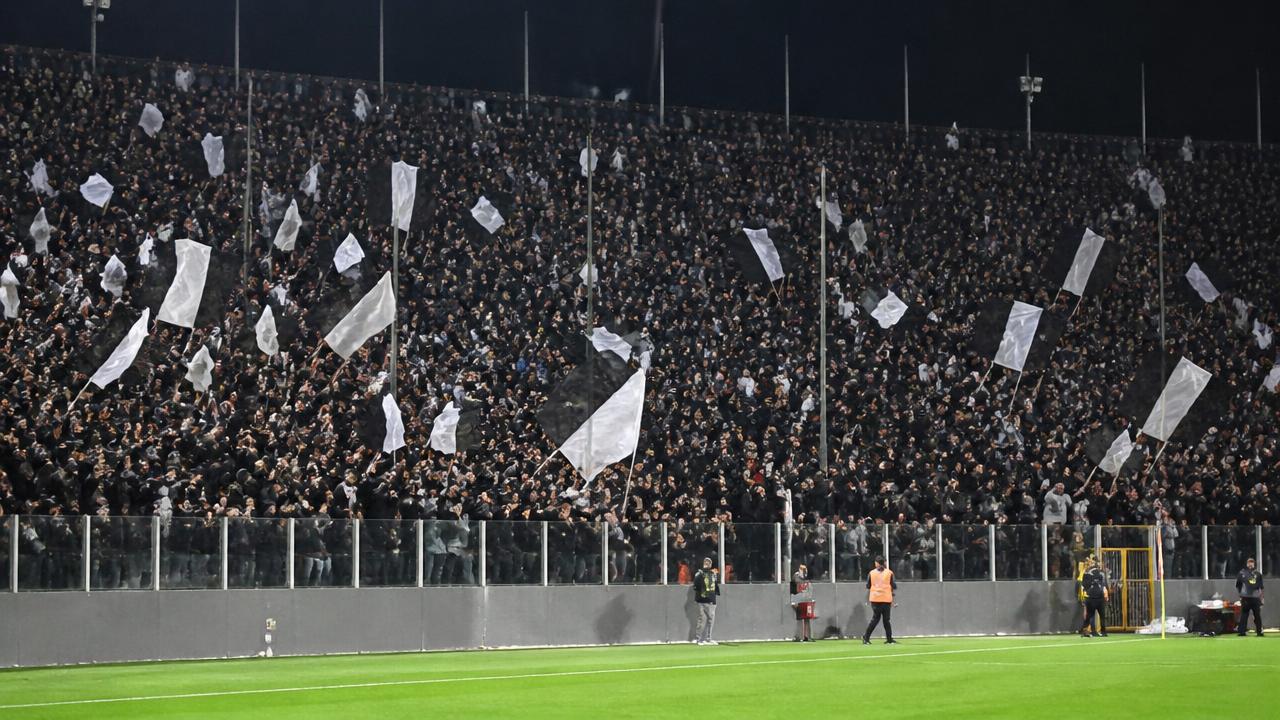
The crowd stays
One of the striking features of German second-tier football is how many people keep turning up. Clubs with a regional base and generations of habit behind them do not empty their stands because the opposition has changed, and the atmosphere at a full second-division ground can be better than at a half-interested top-flight fixture. That support is an asset, but it is also a standing bill: the club has to justify it.
For players it is a specific pressure. Thirty thousand people watching a goalless first half against a small-town opponent is a harder environment for a young footballer than an away trip to a title contender, where nothing is expected.
Expectation as a weight
Historic clubs arrive in the division carrying an assumption that they will leave it immediately, which distorts decision-making. Coaches are given weeks rather than seasons, squads are rebuilt annually in search of a quick fix, and the patient work that actually produces promotion never gets a chance to compound. The clubs that eventually get out are often the ones that stopped talking about their history and started talking about February fixtures.
That is a difficult message for a board to deliver to a support that remembers European nights, which is why so many of these clubs stay longer than anyone predicted.
Something recovered
There is a less pessimistic version of this story. Clubs that spend time in the second tier sometimes rebuild a relationship with their own city that top-flight commercial life had eroded: cheaper tickets, local players, a squad the supporters recognise. Fans who lived through it frequently describe those seasons with more affection than the years that preceded them.
Nobody chooses relegation, and no club should romanticise it. But the idea that a division is simply a lesser place misses what a stadium sounds like when the football belongs to the people in it again.