
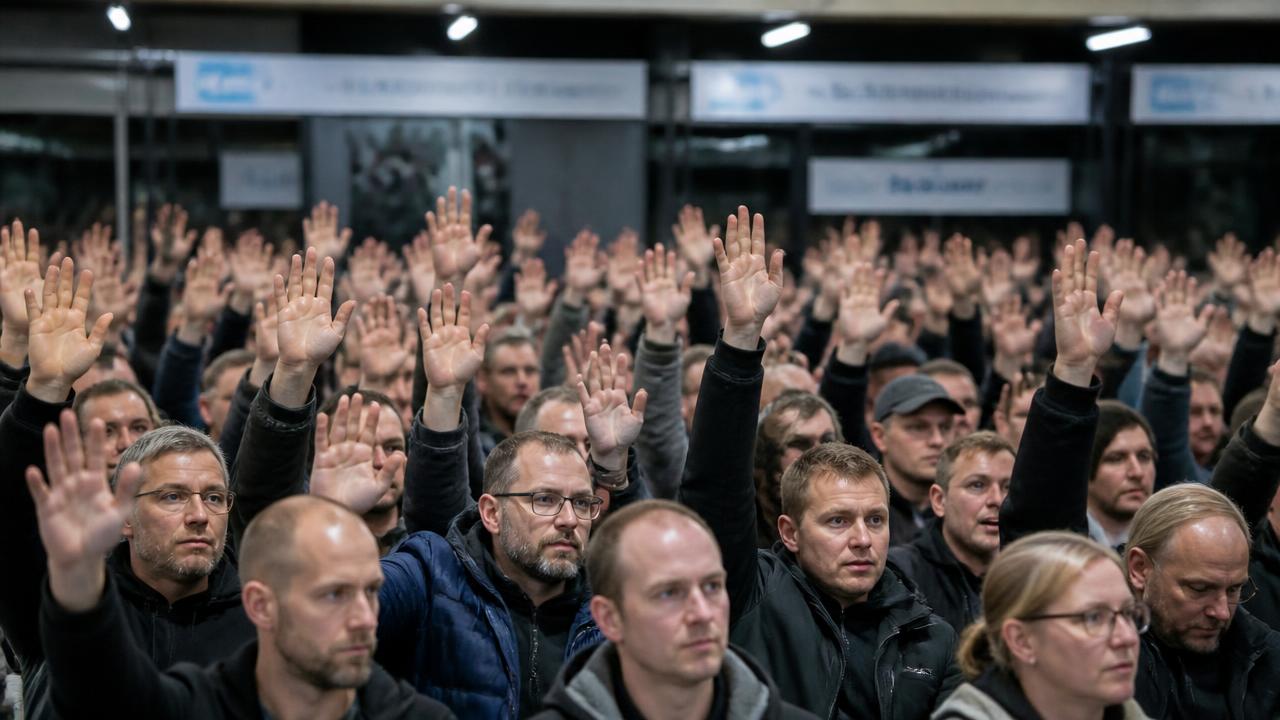
Voting control, not a total ban on investment
German football's ownership regulation is frequently summarised as a ban on outside investment, but the more accurate description is narrower and more specific: it requires that the club's members retain majority voting control, even where external investors hold a significant minority financial stake in the club's football operations. This distinction matters, because it means the rule is not primarily about excluding capital from the game, but about ensuring that whoever ultimately provides that capital cannot outvote the members on questions of the club's fundamental direction.
The practical effect is that a German club can accept substantial external investment while still requiring that major decisions, from significant sales of ownership stakes to changes in a club's identity or crest, pass through a membership structure that an outside investor cannot simply purchase their way past. This is a meaningfully different governance model to one where a controlling shareholder can make unilateral strategic decisions.
A reflection of a broader sporting tradition
The rule did not emerge in isolation; it reflects a longer-standing German tradition of organising sports clubs generally, not just football clubs, around member associations rather than private commercial ownership. Many German sports clubs across various disciplines are structured this way as a matter of course, and the football-specific regulation can be understood as an extension of that broader cultural preference into the specific context of a sport that has become considerably more commercially significant than most others the same association model was originally designed to govern.
This context helps explain why the rule commands such strong support among many German supporters, independent of any specific footballing outcome it produces. It is defended less as a competitive mechanism and more as an expression of a governance philosophy that predates modern football's commercial scale, one that treats a club as belonging fundamentally to its members rather than to whoever is able to buy a controlling stake in it.
The trade-offs the rule creates
The regulation is not without real costs. Clubs operating under it can face genuine practical difficulty attracting the scale of external investment available to competitors in leagues without an equivalent restriction, since investors seeking full control over their investment have less incentive to commit capital under a structure explicitly designed to deny them that control regardless of the size of their financial stake.
This produces an ongoing and unresolved debate within German football about whether the rule should be preserved in its current form, adjusted, or reconsidered entirely, weighing member governance against competitive and financial pressures that were far less significant when the framework was first established. There is no simple resolution to that debate, only an ongoing negotiation between two values, member ownership and financial competitiveness, that do not always point in the same direction.