
A different response to the same safety concerns
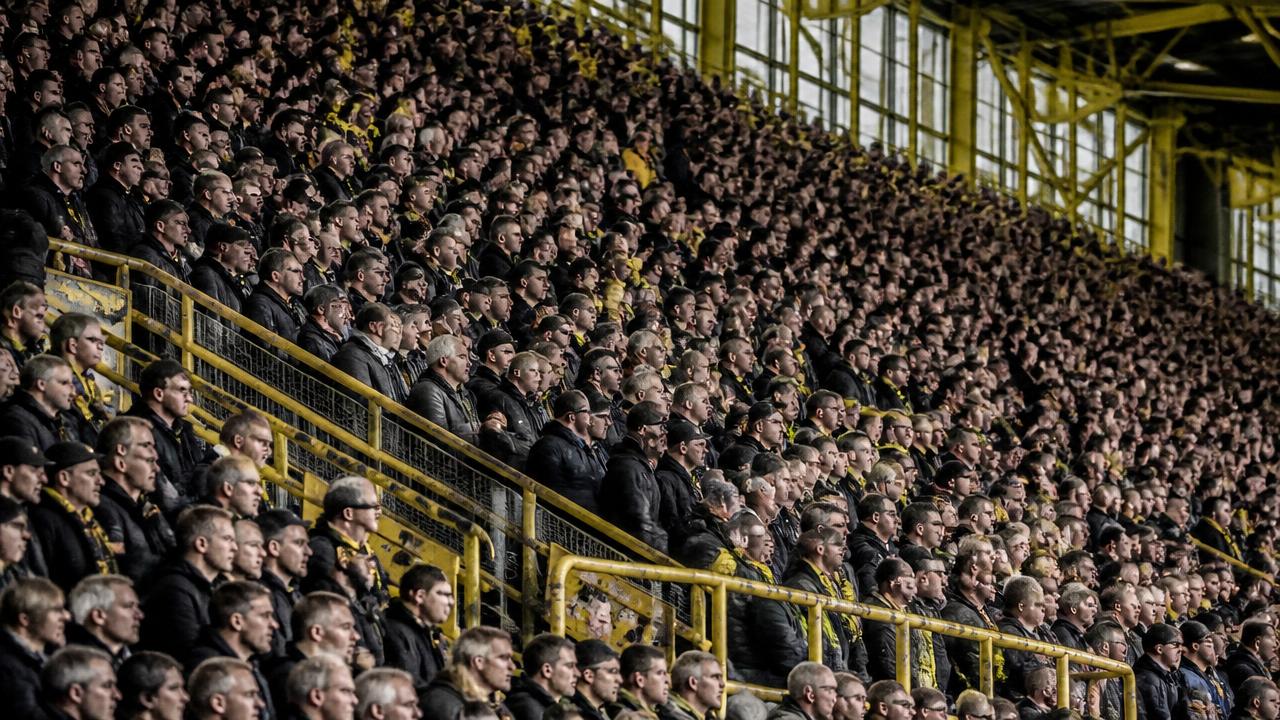
Several major European football nations responded to stadium safety concerns in the late twentieth century by mandating fully seated stadiums, removing standing terraces entirely from top-flight football grounds. German football authorities pursued a different solution, developing convertible terracing that could function as standing areas for domestic league matches while converting to fully seated configurations for international and continental fixtures where seating is required by governing body regulation.
This engineering solution, involving rail seating that can be locked upright as a barrier for standing supporters or folded down into individual seats, allowed German stadiums to address safety concerns without abandoning the standing terrace as a matchday experience entirely. It represents a genuinely different policy judgement about how to balance safety and tradition compared with the approach taken elsewhere in European football.
What the terrace preserves beyond nostalgia
Supporters of the standing terrace argue its value extends well beyond sentimental attachment to how football grounds used to look. Standing sections allow considerably higher capacity within the same physical footprint compared with an equivalent seated area, and many supporters describe the atmosphere generated in these sections as qualitatively different, more communal and more continuously vocal, than the atmosphere typical of an all-seated stand where supporters are more spatially separated from one another.
This is not a universally accepted claim, and debates continue within German football about the relative merits of standing versus seated areas, including genuine ongoing safety considerations that mean the debate has never been entirely settled. But the terrace's survival reflects a deliberate, continuing choice rather than an oversight, maintained because a meaningful portion of German football's supporter base and administration consider it worth preserving.
The effect on pricing and access
One of the clearer practical consequences of retaining standing terraces is their effect on ticket pricing, since standing tickets are typically priced considerably lower than seated equivalents, reflecting both the different physical arrangement and a deliberate policy commitment by many German clubs to keeping matchday attendance accessible to a broad range of income levels. This pricing structure is frequently cited within German football culture as an important part of what keeps stadiums genuinely open to loyal supporters rather than increasingly weighted toward a wealthier match-going audience.
Whether or not this fully achieves that stated goal is debated, but the underlying policy intention is explicit and widely understood within German football: that affordability and accessibility of matchday attendance are values worth actively protecting through structural decisions like standing terrace retention, rather than treated purely as a by-product of whatever a stadium happens to charge for its most basic ticket.