
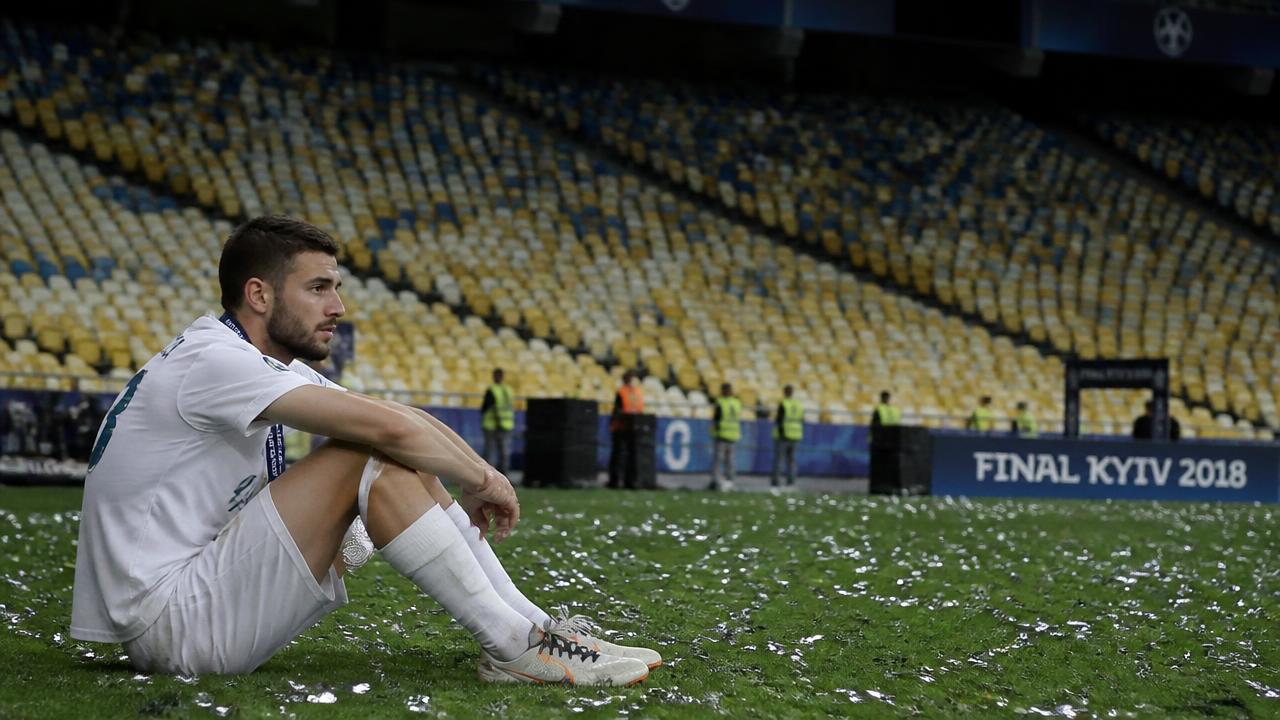
One night versus a whole season
Losing a league title is usually a slow, cumulative disappointment, distributed across dropped points in October and a missed chance in March, so that by the final whistle of the season the result rarely arrives as a single shock. A European final compresses all of that potential disappointment into ninety or one hundred and twenty minutes on one specific night, with no following weekend to offer a chance at redemption and no accumulated context to soften the blow. The emotional structure of the two experiences is simply different, even when the objective stakes are comparable.
This compression is part of why a final defeat is remembered with such specificity by supporters years later, down to particular missed chances or refereeing moments, in a way that a mid-table finish rarely is. A single occasion, unrepeatable and final, imprints itself on memory more sharply than a long campaign's aggregate disappointment.
The rarity problem
Reaching a European final is, for the overwhelming majority of clubs, a rare event, sometimes a once-in-a-generation occurrence, which raises the stakes of the specific occasion far beyond what a single match would normally carry. A supporter who understands that their club may not reach a final again for a decade experiences the defeat with an intensity shaped by that scarcity, aware that the next opportunity is not guaranteed to arrive on any predictable schedule.
Domestic disappointment, by contrast, usually comes with an implicit promise of another attempt relatively soon. A club that finishes second in its league know another title race begins again within months, but a club beaten in a continental final has no such assurance, and that uncertainty about when, or whether, another chance will come is part of what makes the loss harder to file away.
Why the wound reopens easily
Anniversary coverage, replayed footage and the simple fact that continental competition returns every year mean supporters are regularly reminded of a final defeat in a way domestic disappointment is not similarly re-litigated. Each new European campaign carries an implicit comparison to the last serious attempt, and for clubs who came closest without winning, that comparison can feel less like nostalgia and more like an open question still waiting on an answer.
None of this suggests domestic success matters less; consistency across a league season is its own considerable achievement, arguably a more reliable indicator of a club's overall level than a single cup run. But there is something particular about a European final's structure, its rarity and its finality, that explains why its disappointments seem to occupy a different, longer-lasting place in a supporter's memory.