
Risk with a deadline
In a league, a goalless draw away from home is a result. In a single-leg cup tie it is only a delay, so the shape of the risk changes: teams protect the tie early, then accept danger in the final twenty minutes because the alternative is elimination. That is why so many cup matches look cautious for an hour and frantic afterwards.
It also changes substitutions. A coach in a league game replaces tired players; a coach in a cup tie replaces functions, taking off a holding midfielder for a second striker because a draw does not help him.
How underdogs make it close
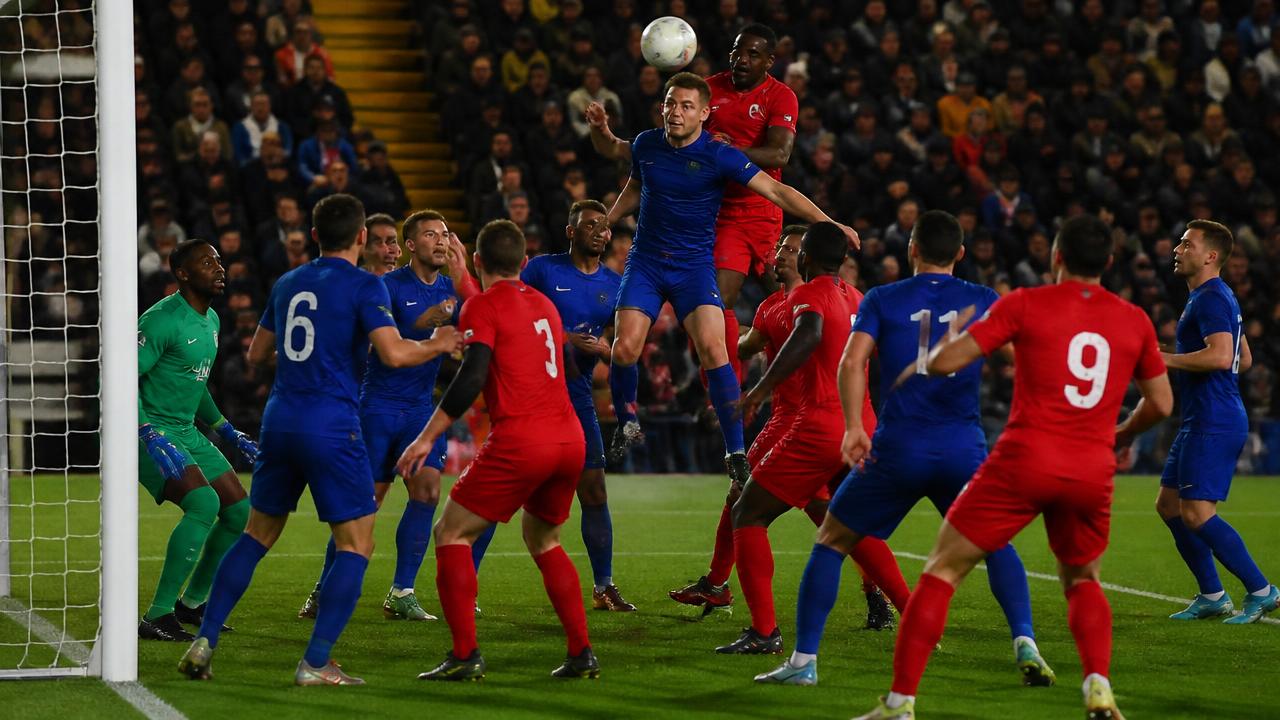
A smaller club cannot outplay a stronger one over ninety minutes, but it can compete in the phases where the gap is narrowest. Set pieces are one: rehearsed, dependent on organisation and physicality rather than possession quality. Transitions are the other, since a stronger side committing players forward can be caught by four quick passes.
The third weapon is the pitch and the atmosphere. A tight ground, a partisan crowd and a heavy surface reduce the value of technical superiority, which is exactly why the draw giving the smaller club home advantage matters so much.
What extra time exposes
Thirty additional minutes are a test of squad depth rather than of coaching. The team with fresher legs and better substitutes usually wins them, and an underdog that has spent ninety minutes defending intensely is the one most likely to concede in the second period of extra time.
Penalties are a different subject and mostly resistant to analysis. Teams can rehearse, and the practical benefit of doing so is that nobody is being asked to make a decision he has never made before.