
The cost of following closely
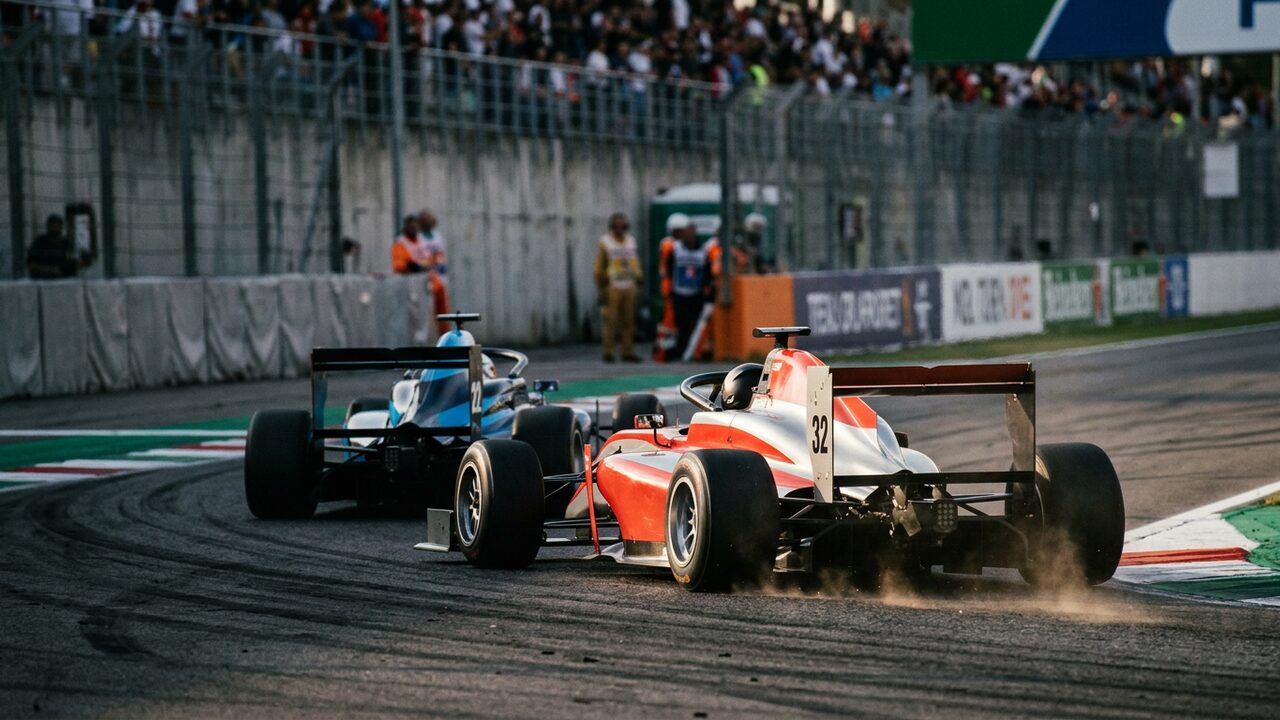
A Formula 1 car generates much of its cornering grip from air flowing cleanly over and under it, and that airflow is disturbed by the car ahead. A following driver loses downforce precisely where they need it most, through corners, which makes it harder to stay close enough to attempt a pass on the next straight. This is a physical constraint, not a lack of driver skill, and it explains why cars of similar pace can run nose to tail for laps without a move materialising.
Strategy as a substitute for overtaking
Because passing on track is difficult, teams often try to win position through pit strategy instead, timing a stop so a driver rejoins ahead of a rival rather than behind them. This turns races into a competition of timing as much as speed, where the pit wall's judgement about traffic and tyre life matters as much as anything happening on track. A driver can lose a place through no fault of their own simply because a rival's stop was better timed.
What this means for how races are watched
Viewers who expect constant overtaking will often be disappointed, because the sport's physics push toward position being defended by strategy long before a corner is reached. The more rewarding way to watch is to track the gaps between cars and the tyre ages involved, since a stable gap can still represent a live strategic battle even when nothing appears to change on screen. Track position is not dull by accident; it reflects a genuine trade-off the cars are built around.