
Formula 1
Formula 1 analysis
SportsArena365's own analysis of how Formula 1 actually works.
SportsArena365's own formula 1 writing. Every piece below was written by us and contains no score, statistic or injury claim we could not verify.
SportsArena365 original · Analysis
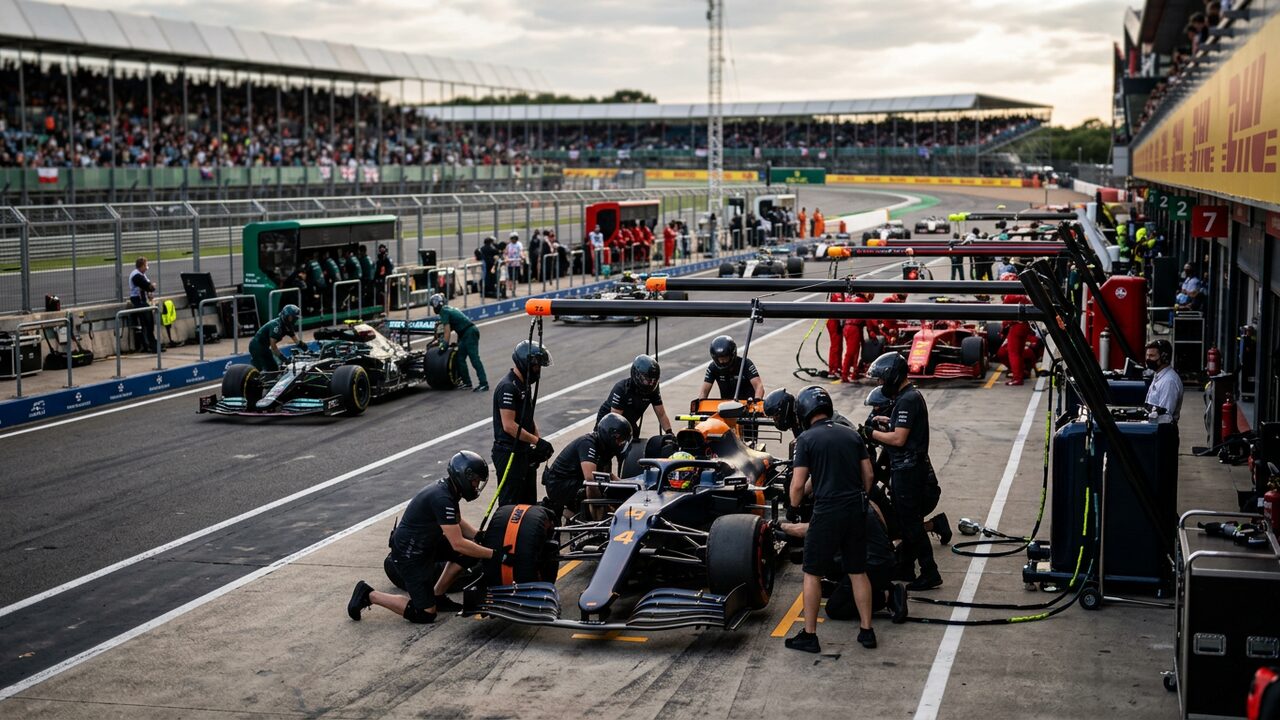
How qualifying builds the grid
Three knockout sessions compress a weekend of pace into a single ordered list, and that order shapes almost everything that follows.
SportsArena365 original · Analysis
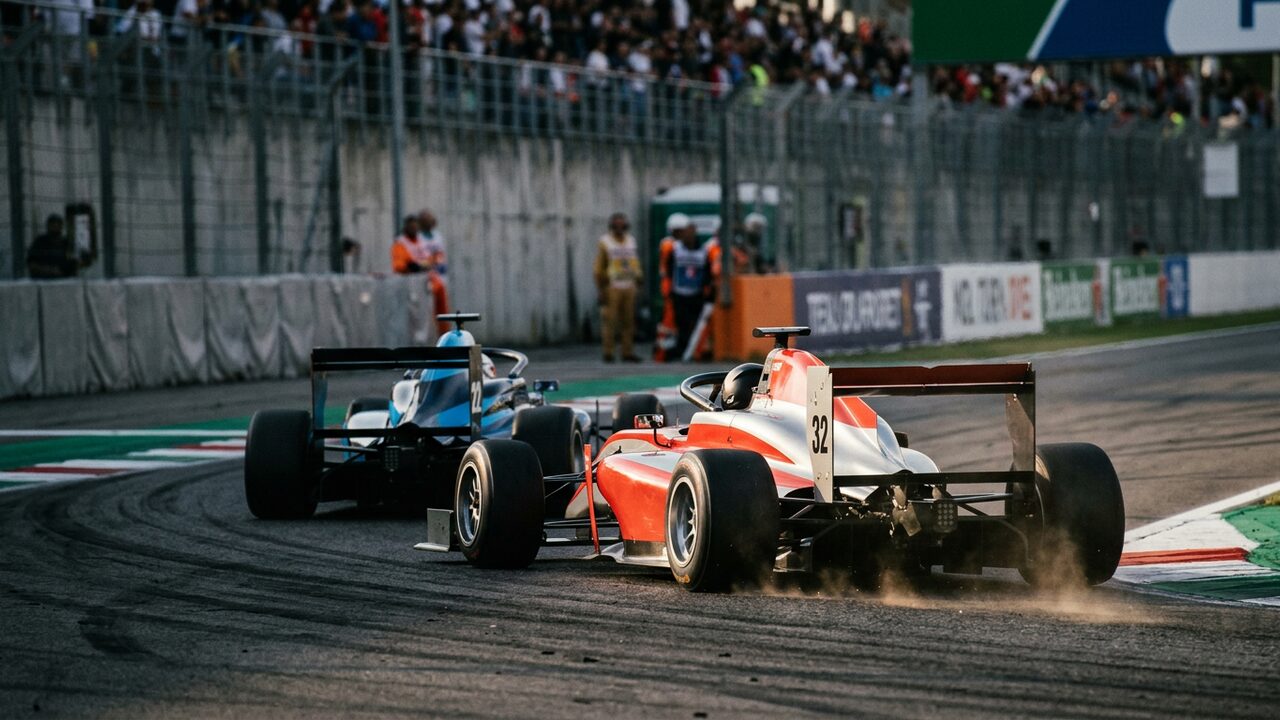
Why track position dominates
Overtaking has always been hard in single-seater racing, and that difficulty is the quiet force behind most strategic decisions teams make.
SportsArena365 original · Analysis
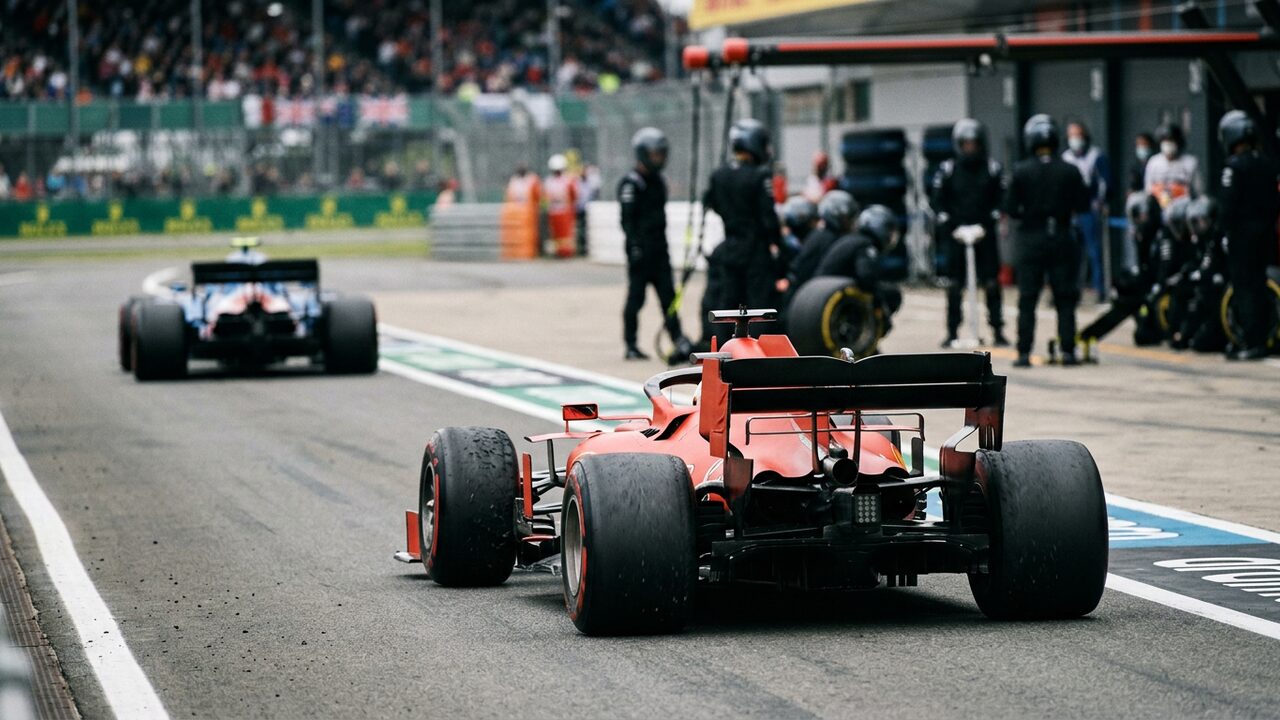
Tyre degradation and the logic of pit windows
A tyre's decline is not a straight line, and understanding its curve explains why teams stop when they do rather than earlier or later.
SportsArena365 original · Analysis
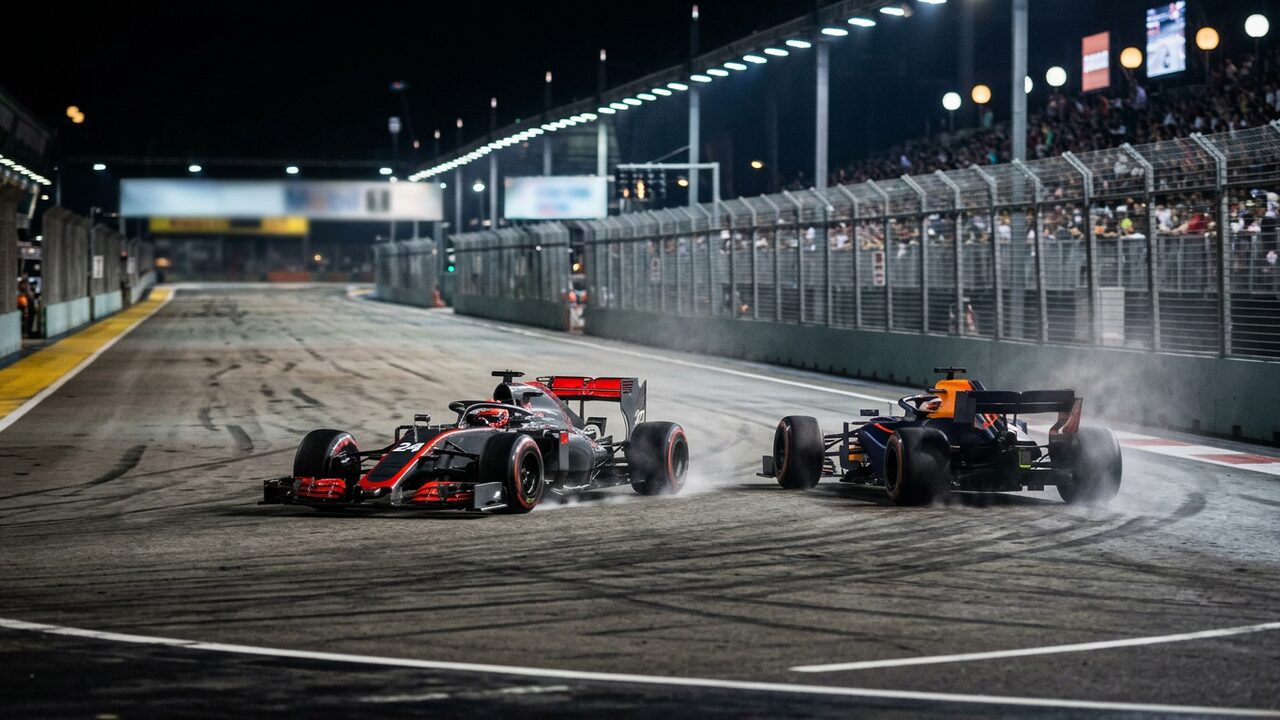
The DRS trade-off
A rear wing that opens to reduce drag was designed to fix a specific problem, and it solved it by creating trade-offs of its own.
SportsArena365 original · Analysis
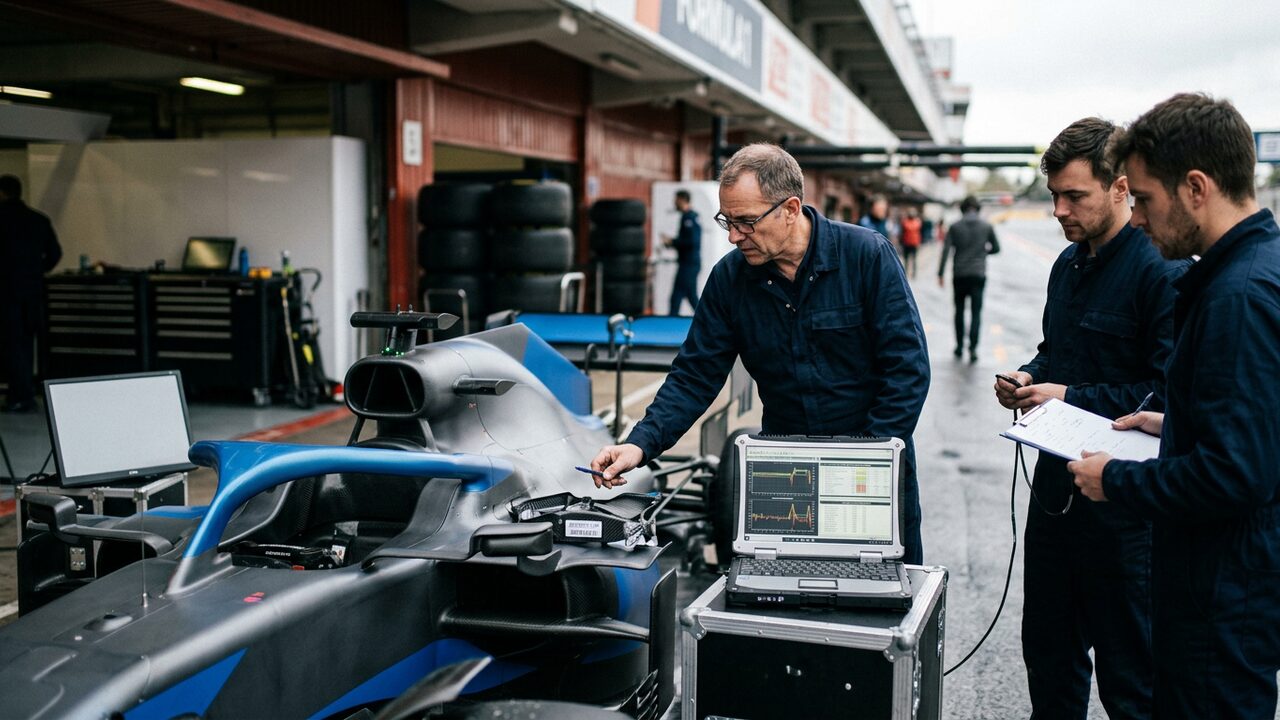
The logic of the cost cap
Limiting how much teams can spend was framed as a fairness measure, but it also reshaped how teams compete for engineering talent and time.
SportsArena365 original · Analysis
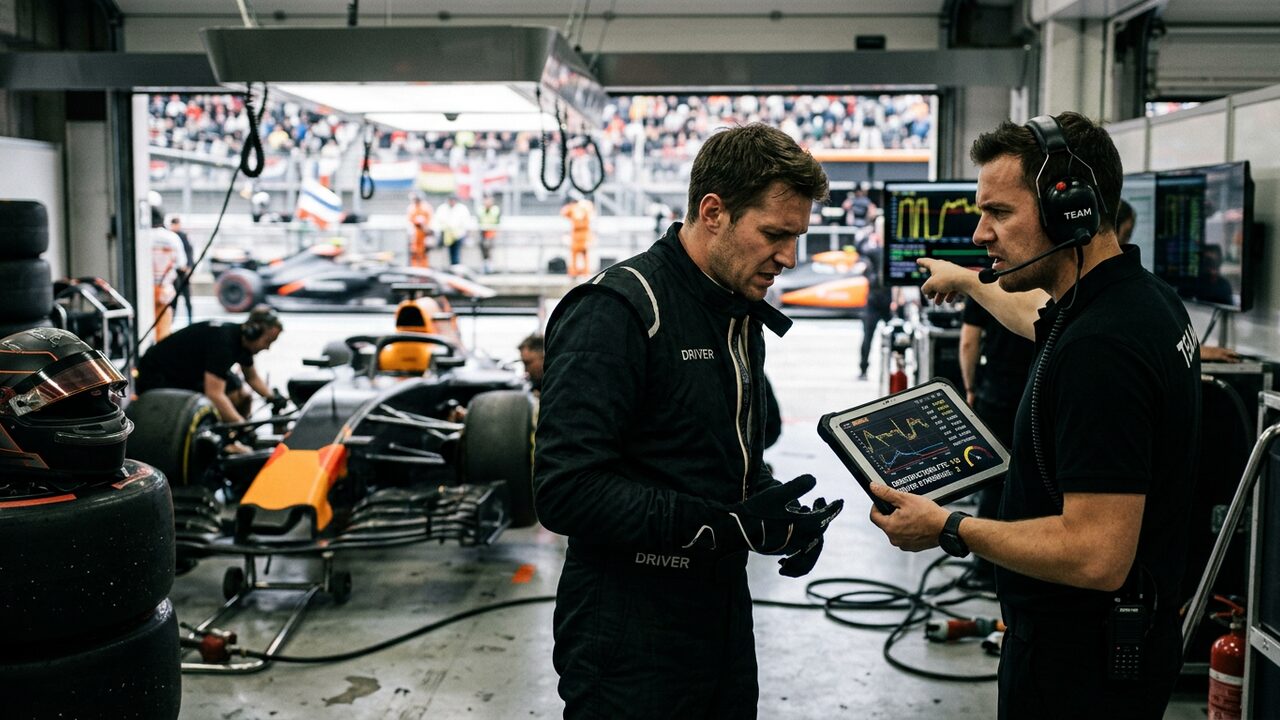
Driver versus constructor incentives
Two championships run in parallel with the same results, yet they can pull a team's decisions in genuinely different directions.
SportsArena365 original · Analysis
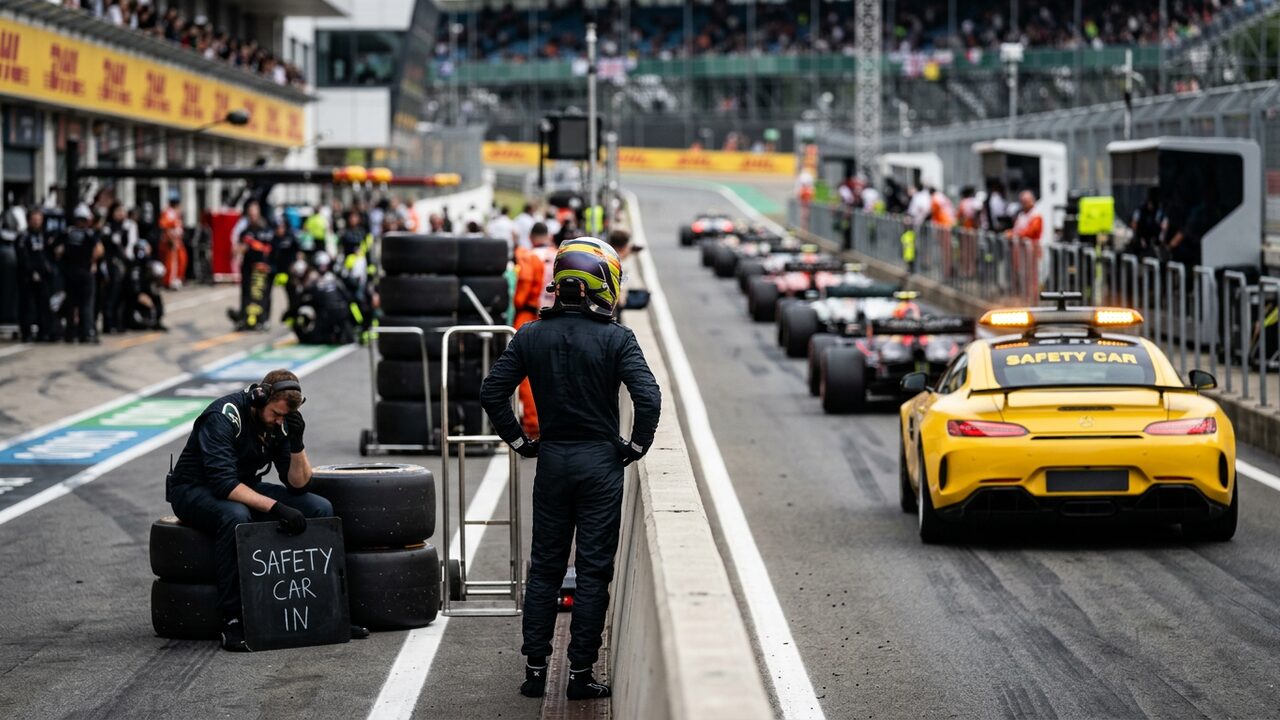
Safety cars and race luck
A safety car compresses the field and can hand a cheap pit stop to whoever happens to be due one, which is why timing matters so much.
SportsArena365 original · Analysis
Engine regulation cycles
Major changes to engine rules arrive rarely, but each one resets the competitive order in ways that can last for years.