
Formula 1
Formula 1 stats
Race, lap and championship statistics.
Formula 1 stats
Race, lap and championship statistics. We have not found a data source for this that is both free and licensed for publication, so the section stays empty rather than showing numbers we cannot stand behind. The page structure is built and will fill in the day a licensed source exists.
Read exactly why →Formula 1 on Arena
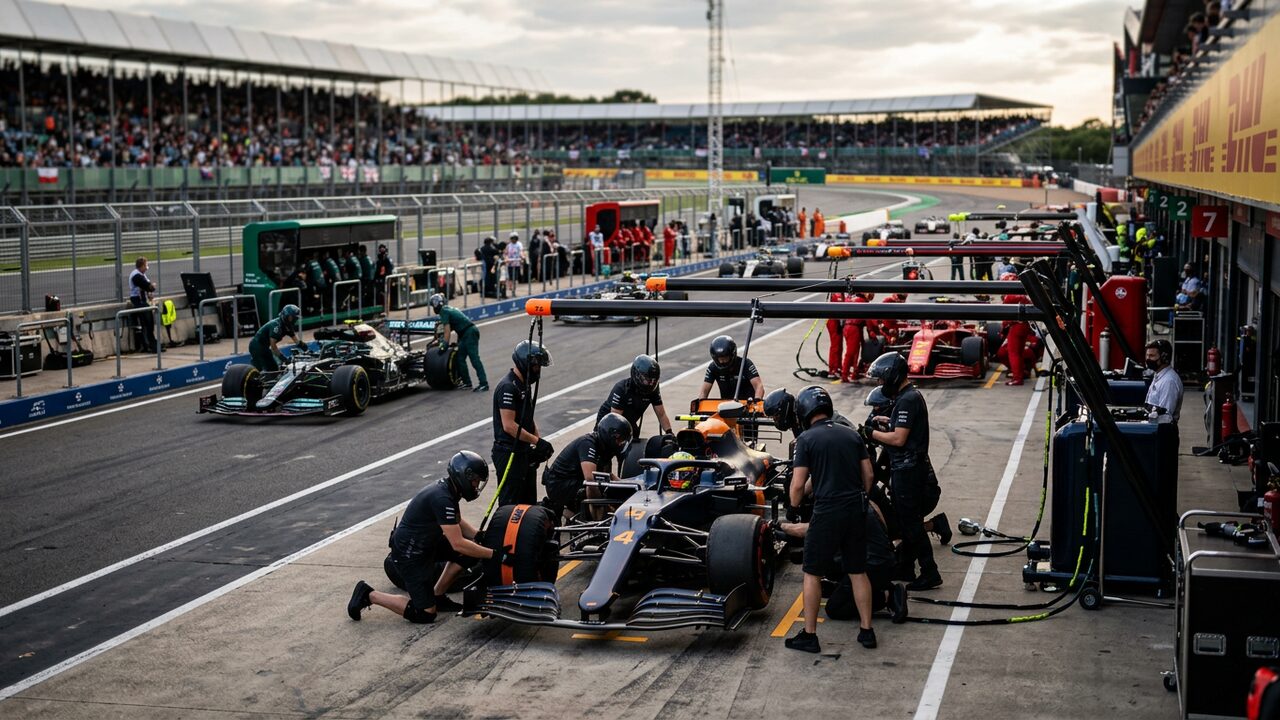
Arena original · Analysis
How qualifying builds the grid
Three knockout sessions compress a weekend of pace into a single ordered list, and that order shapes almost everything that follows.
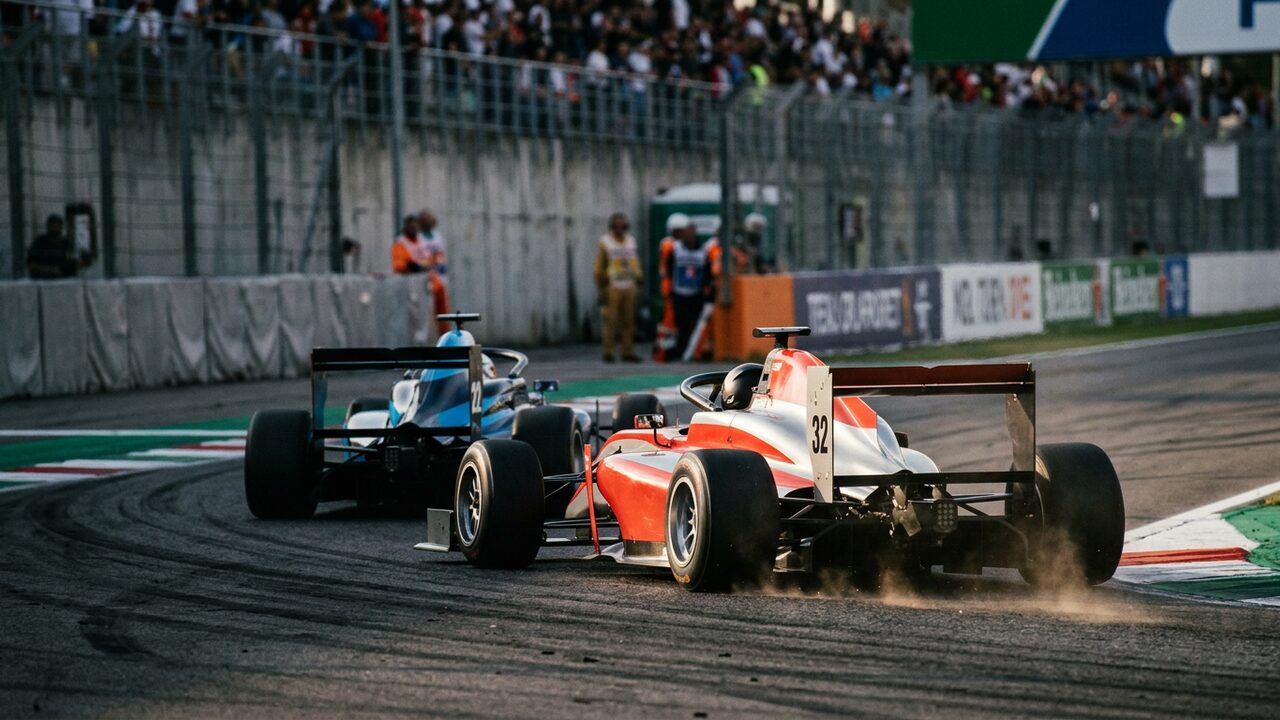
Arena original · Analysis
Why track position dominates
Overtaking has always been hard in single-seater racing, and that difficulty is the quiet force behind most strategic decisions teams make.
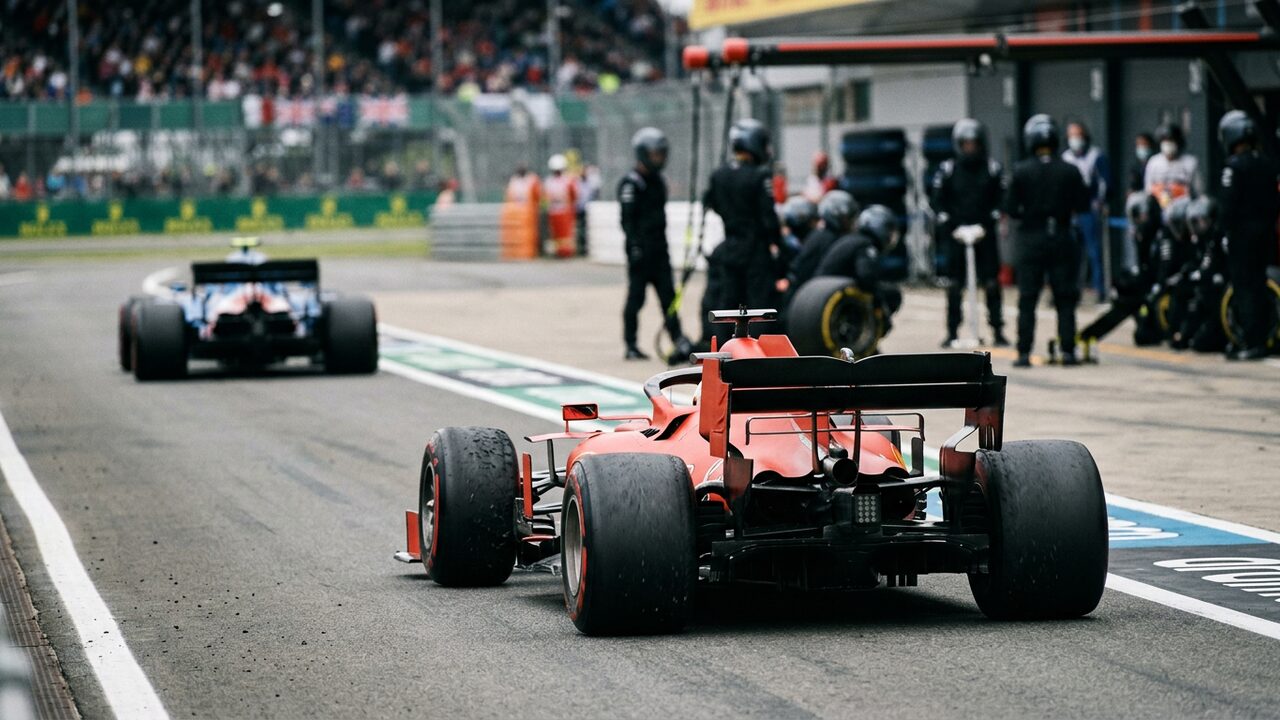
Arena original · Analysis
Tyre degradation and the logic of pit windows
A tyre's decline is not a straight line, and understanding its curve explains why teams stop when they do rather than earlier or later.
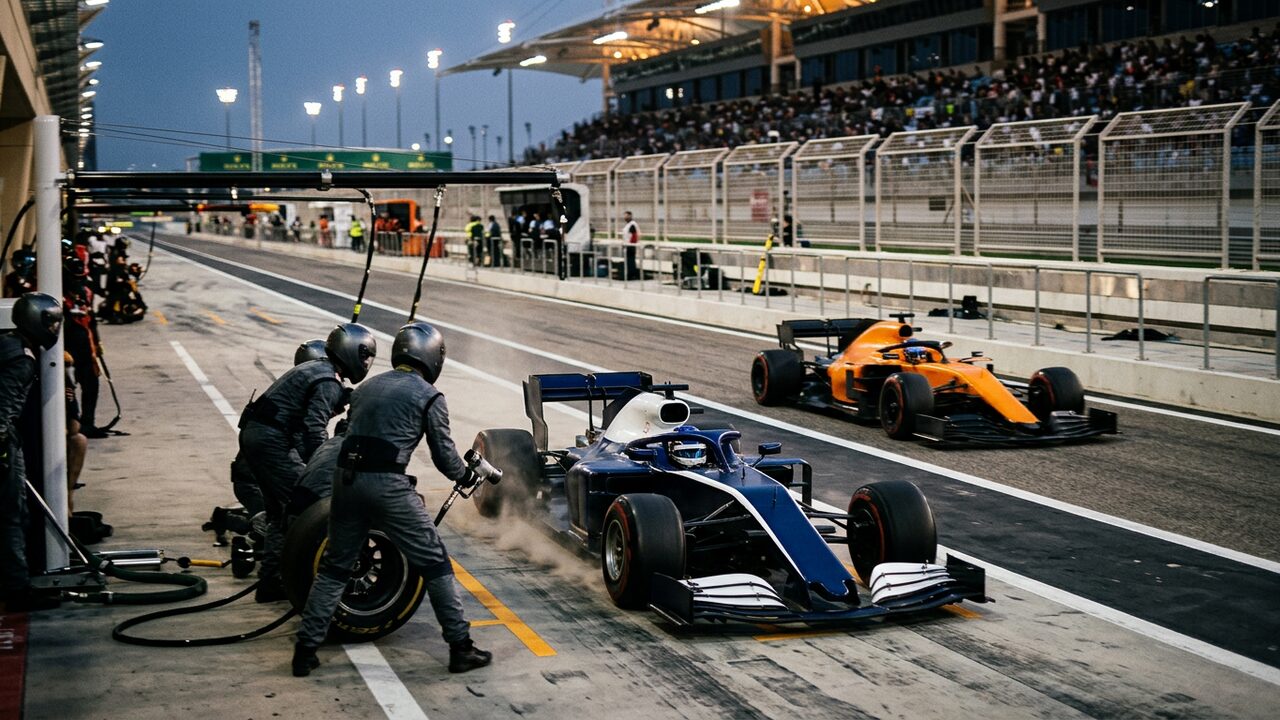
Arena original · Feature
The undercut versus the overcut
Two rival ways of using a pit stop to gain track position, each betting on a different reading of the tyres and the traffic ahead.
Arena original · Analysis
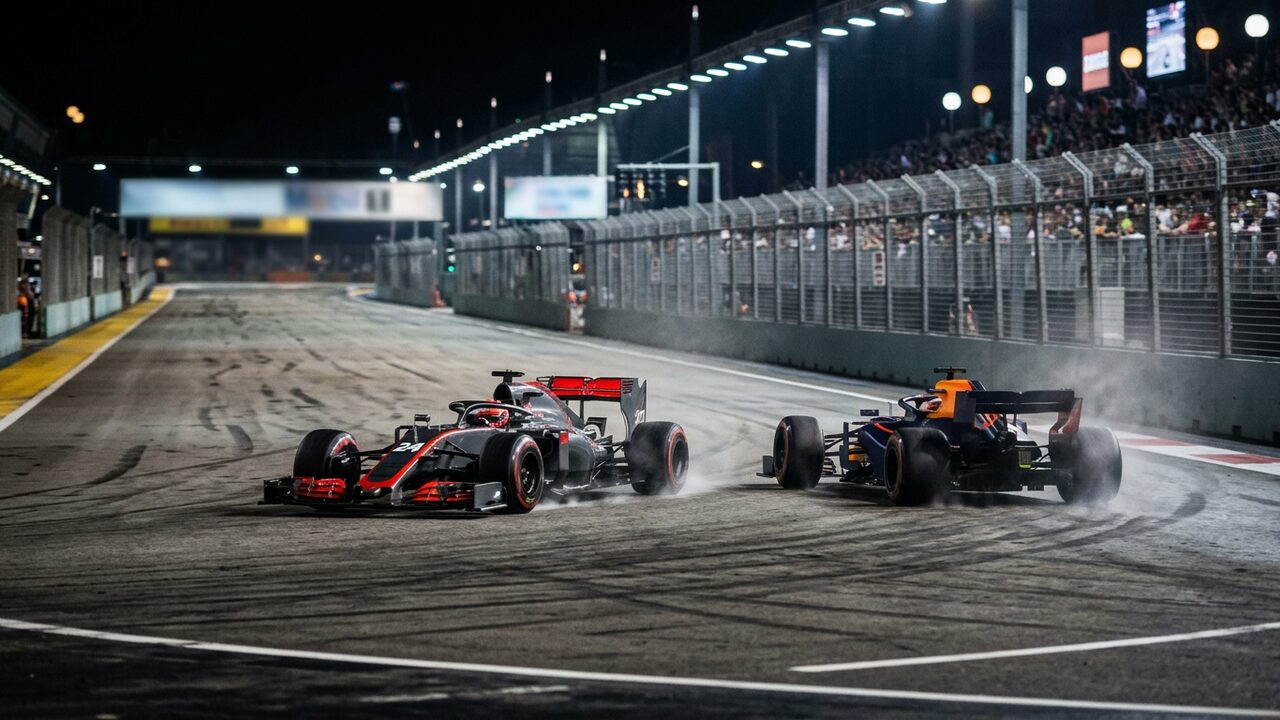
The DRS trade-off
A rear wing that opens to reduce drag was designed to fix a specific problem, and it solved it by creating trade-offs of its own.
Arena original · Feature
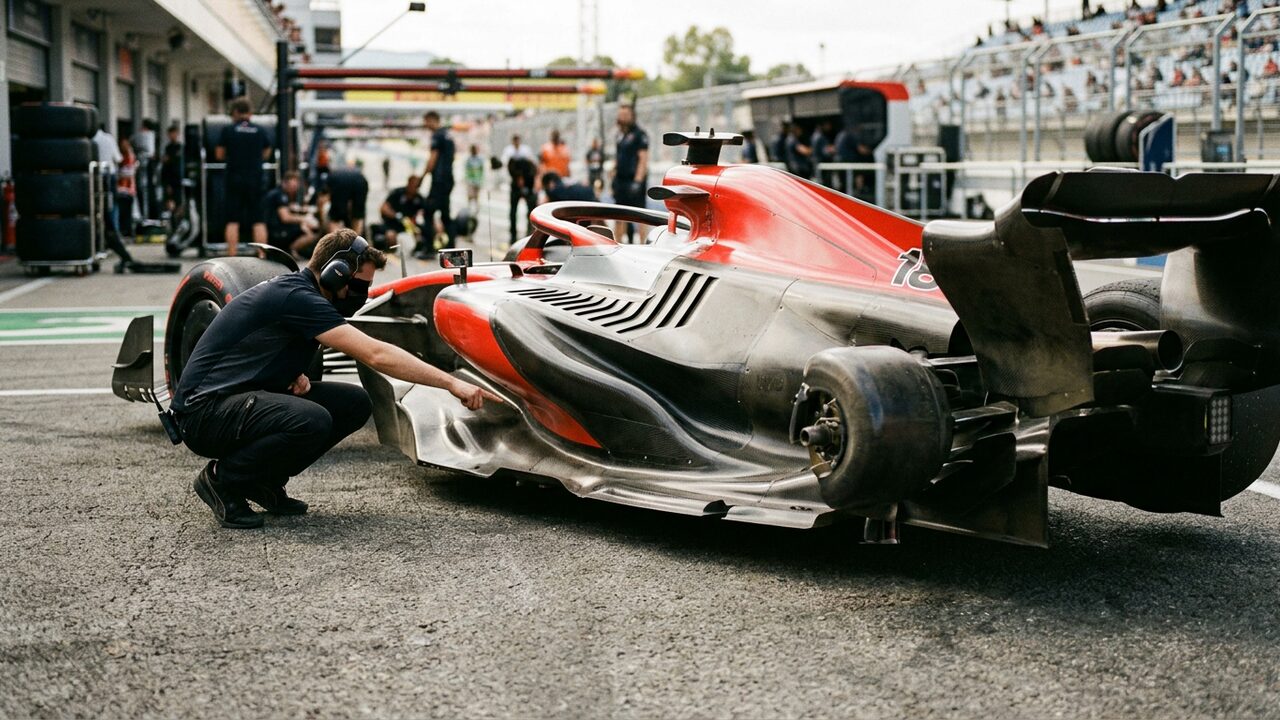
Ground effect, explained simply
Some of the most important downforce a modern F1 car makes is generated not by its wings but by the shaped floor underneath it.
Arena original · Analysis
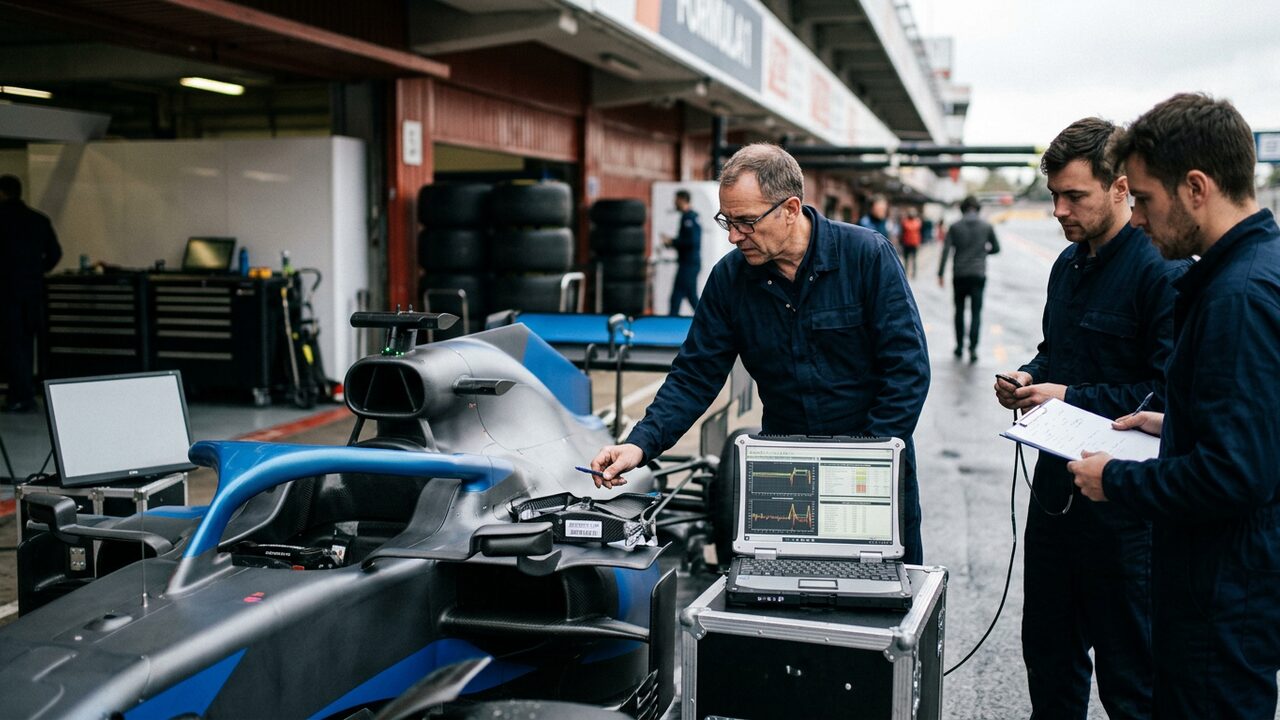
The logic of the cost cap
Limiting how much teams can spend was framed as a fairness measure, but it also reshaped how teams compete for engineering talent and time.
Arena original · Feature
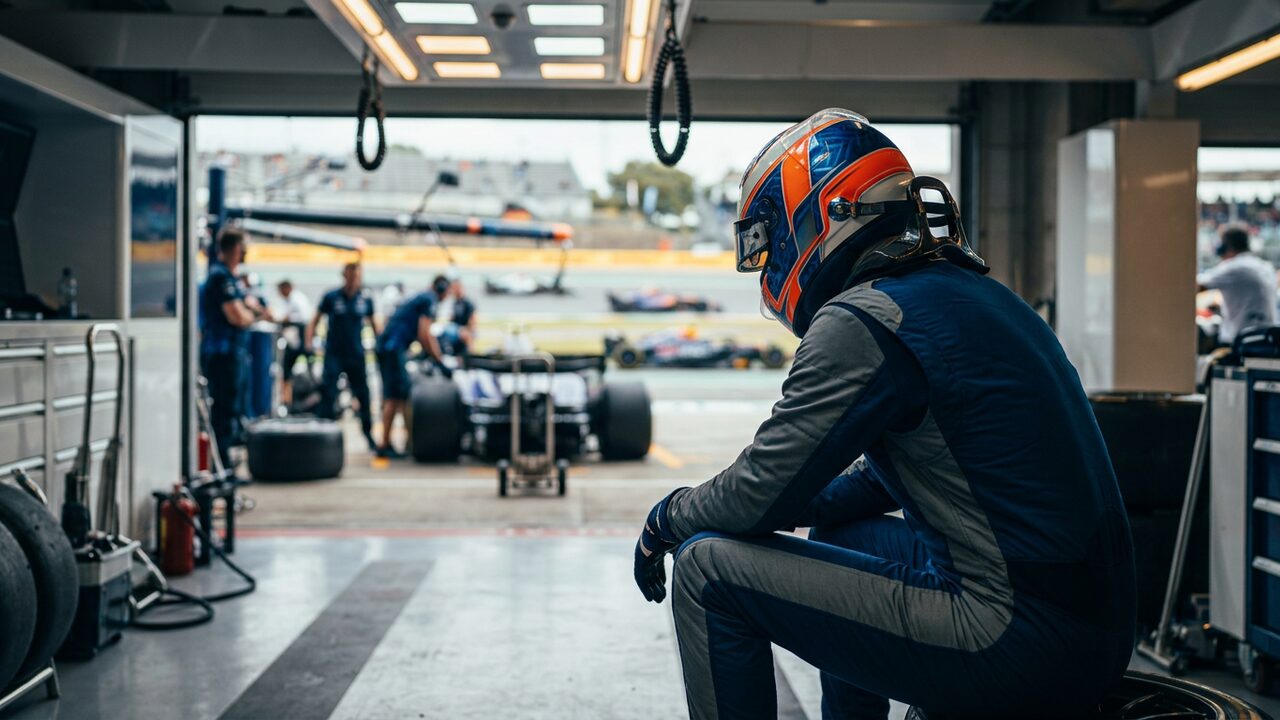
Sprint weekends, and what they actually change
A shorter Saturday race adds a second competitive session to a weekend, and with it a different set of incentives than a normal Grand Prix.
Arena original · Analysis
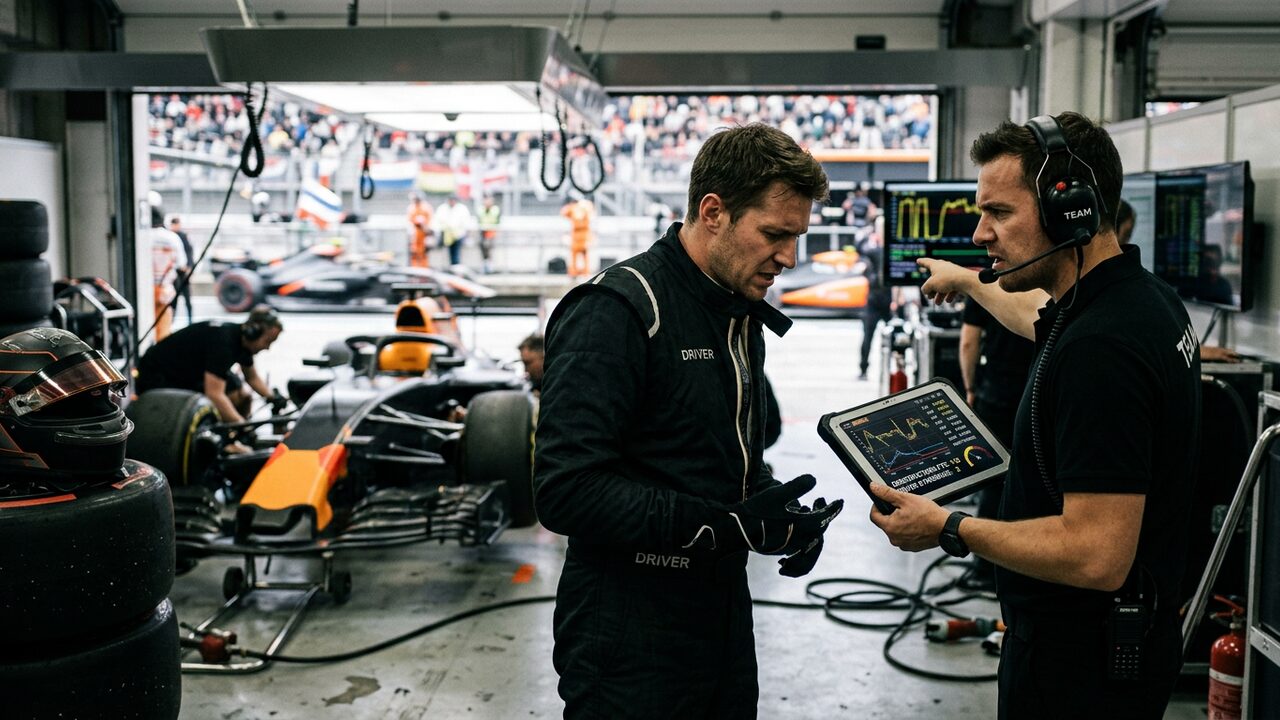
Driver versus constructor incentives
Two championships run in parallel with the same results, yet they can pull a team's decisions in genuinely different directions.