
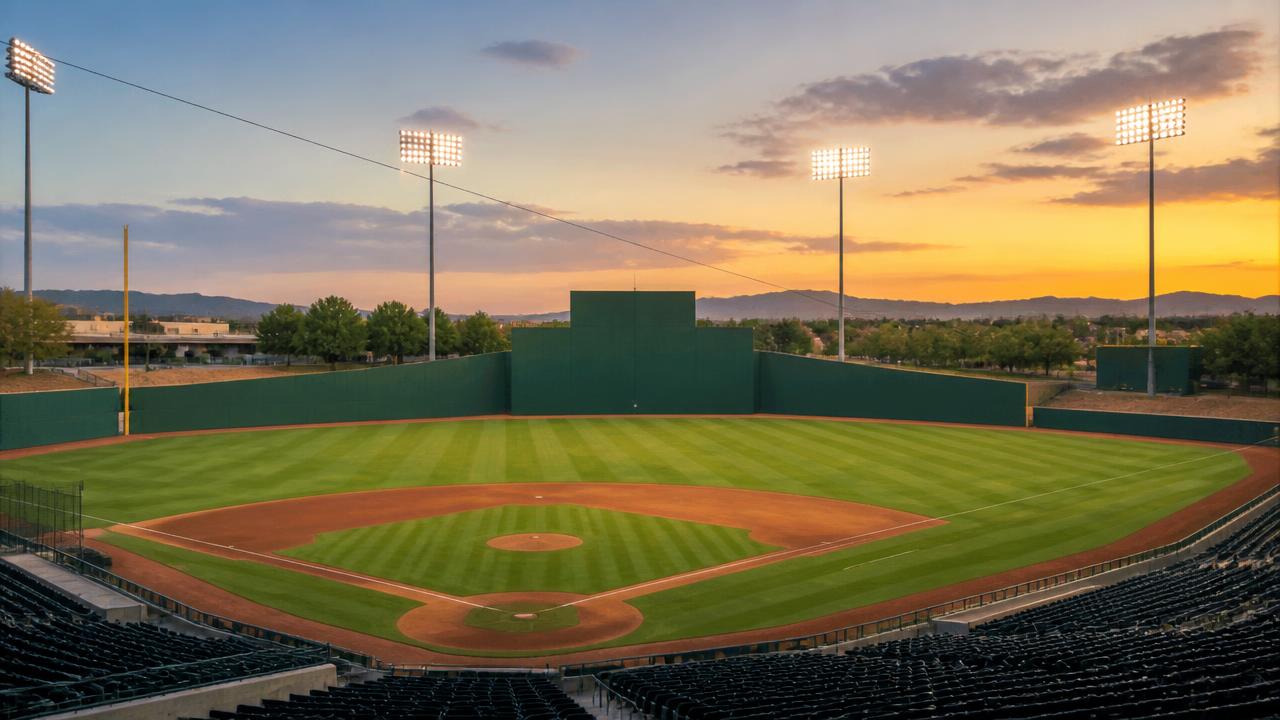
No two fields are alike
Baseball is unusual among major sports in that its playing field is not standardised. Fence distances, wall heights, foul territory and even the altitude and typical weather all vary from ballpark to ballpark, and each of those variables changes how a batted ball behaves.
That is not a footnote. It means a raw total — home runs, batting average, earned runs — is partly a description of a player and partly a description of the building he plays half his games in.
The same swing, different outcomes
Thinner air at higher altitude lets a ball carry further; a short fence turns a routine fly ball into a home run; generous foul territory gives a defence extra outs a tighter park would not allow. None of these effects require a different swing or a different pitch, only a different address.
This is why a player's numbers can shift noticeably after a trade or a stadium change, without any real change in his ability. The environment did the work, and it is worth being suspicious of any explanation that skips straight to skill.
Adjusting for it properly
Serious statistical work accounts for park effects by comparing a player's output with what an average hitter would have produced in the same ballpark, then normalising across the league. That adjustment is unglamorous but essential to any honest comparison across teams.
Casual conversation skips this step constantly, comparing raw totals as though every park were identical. It is a small habit worth breaking, because it is usually the single biggest source of unfair comparison in baseball discussion. Arena's statistics guide explains how park-adjusted numbers are built.