
A simple idea, applied thoroughly
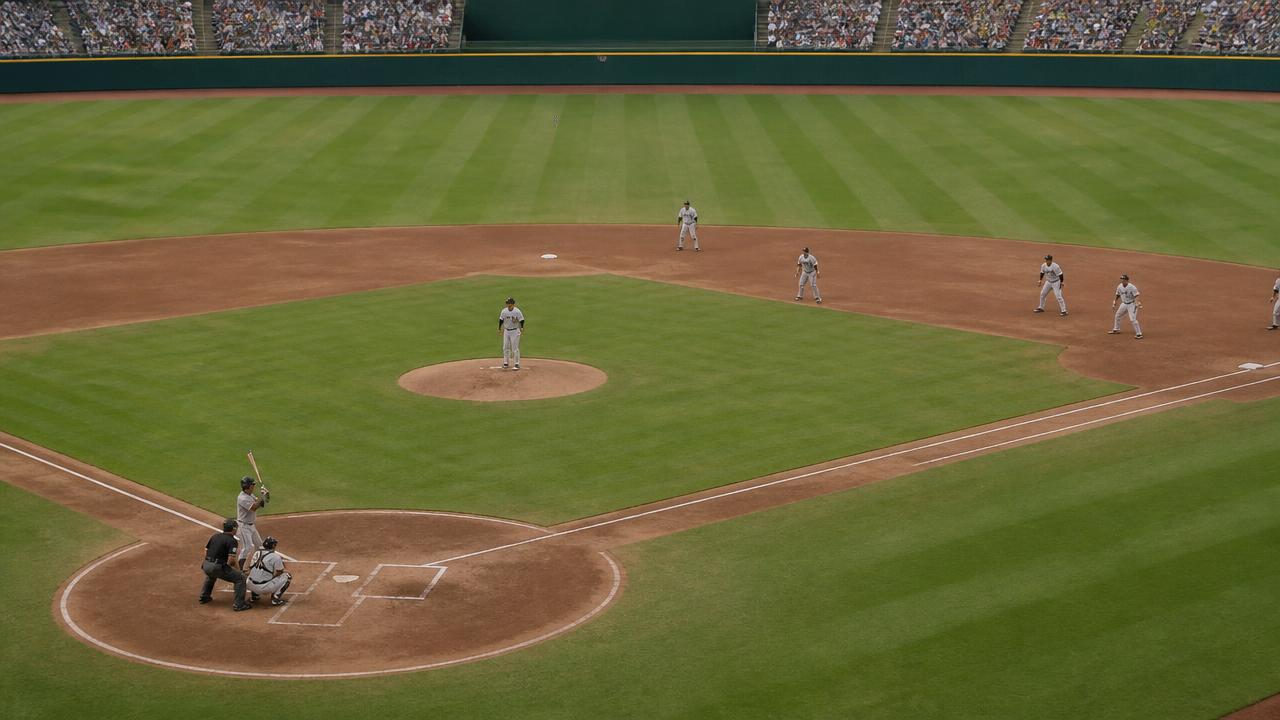
The core idea behind shifting is not exotic: put fielders where the ball is likely to be hit, based on where it has actually gone before. What changed was the scale and confidence with which that idea was applied, once enough batted-ball data existed to trust it.
Once a team could show, with real numbers, that a hitter pulled the ball on the ground the great majority of the time, leaving the other side of the infield lightly defended stopped looking like guesswork and started looking like arithmetic.
What it took from the game
The cost fell hardest on a specific kind of hitter: one who hit the ball hard on the ground to a predictable side. Balls that would have been base hits for decades became routine outs, and hitters had to either adapt their approach or absorb the loss.
It also removed a familiar visual rhythm from the sport — the sense of where fielders belong — which is a smaller thing than a lost hit but a real one for long-time watchers, and it fed the broader argument that the defensive game had become too effective for the sport's own good.
The rulebook's answer
Recent limits on defensive positioning are aimed squarely at restoring some of those removed hits, on the theory that a ball put in play with authority ought to have a realistic chance of finding grass. That is a value judgement, not a neutral rule, and it is one the league made openly.
Whether it fully restores the earlier balance is still being tested, because hitters and defences keep adjusting to whatever rule exists. Arena's MLB rules guide covers the mechanics of the current limits in detail.