
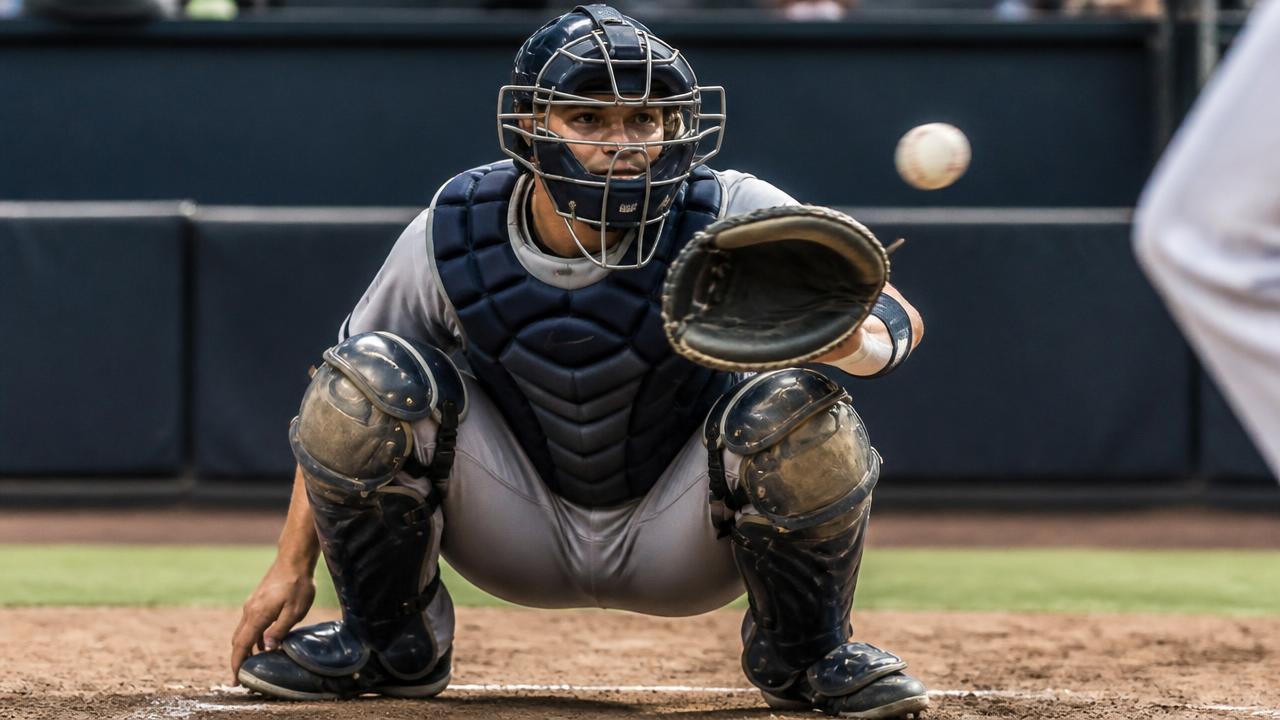
Present on every pitch
No other fielder is involved in literally every pitch of a game. A catcher sets the target, receives the ball, and often has a hand in deciding what gets thrown next, which means his influence on an at-bat can rival the pitcher's even though his name rarely enters the conversation afterward.
That invisibility is partly by design. A catcher's best work often looks like nothing happened — a borderline pitch received cleanly enough to be called a strike, a sequence steered away from a hitter's strength before anyone in the stands noticed the plan.
Skills the box score does not see
Framing — presenting a pitch so that an umpire is more likely to call it a strike — sounds like a minor technical flourish, but across a season it can be worth a meaningful swing in outcomes. It rewards stillness and technique over athleticism, which makes it easy to overlook and hard to teach.
Game-calling is even less visible, since it happens as a private conversation between catcher and pitcher that outsiders only see the results of. A catcher who reads a hitter's timing correctly, pitch after pitch, is doing analytical work in real time that a coach might spend hours reconstructing afterward from video.
The toll it takes
Catching is also the most physically punishing regular assignment in the sport — a daily sequence of crouching, blocking and taking foul tips off a body that gets no rest between innings. Careers behind the plate tend to be shorter and more injury-interrupted than at other positions, and that toll is part of why the position is treated with particular respect inside the clubhouse.
It is worth remembering, next time a broadcast lingers on a pitcher's motion, that the person a few feet away is doing at least as much thinking, with considerably less credit and rather more bruising to show for it.