
The stint is the unit
Qualifying rewards one perfect lap; races reward the average of many. A driver who is two tenths slower early but half a second faster at the end of a stint wins the exchange comfortably. This is why the fastest car in practice is often not the strongest car in the race, and why teams place more weight on long runs than on headline times.
Where the damage is done
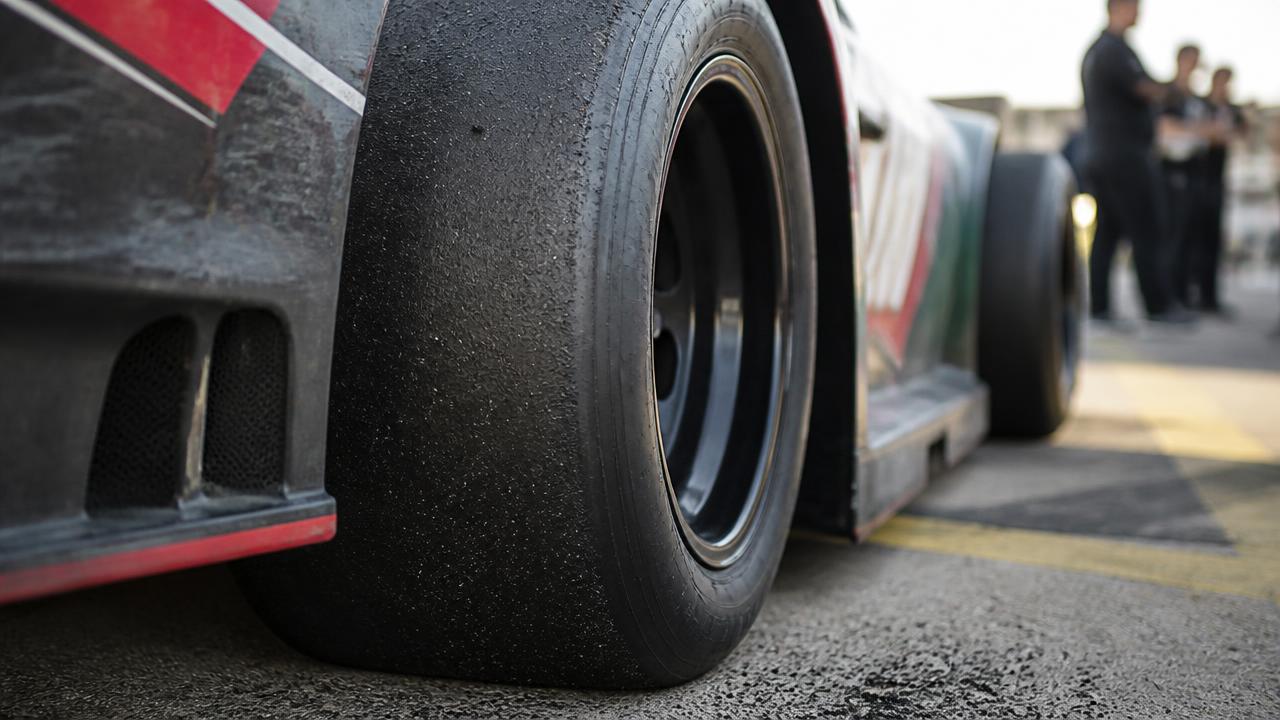
Tyre wear is mostly determined by inputs the driver made laps earlier: how much steering was carried through the middle of the corner, how abruptly the throttle was applied, how much sliding was tolerated. None of it feels costly at the time. All of it is priced in later, when the grip that would have been available is simply not there.
Watching for it
You can see management without lap times. Look at how early a driver settles the car before the corner and how little correction the steering needs. Smoothness is not an aesthetic preference in this sport; it is a savings account, and the withdrawal comes in the closing laps.