
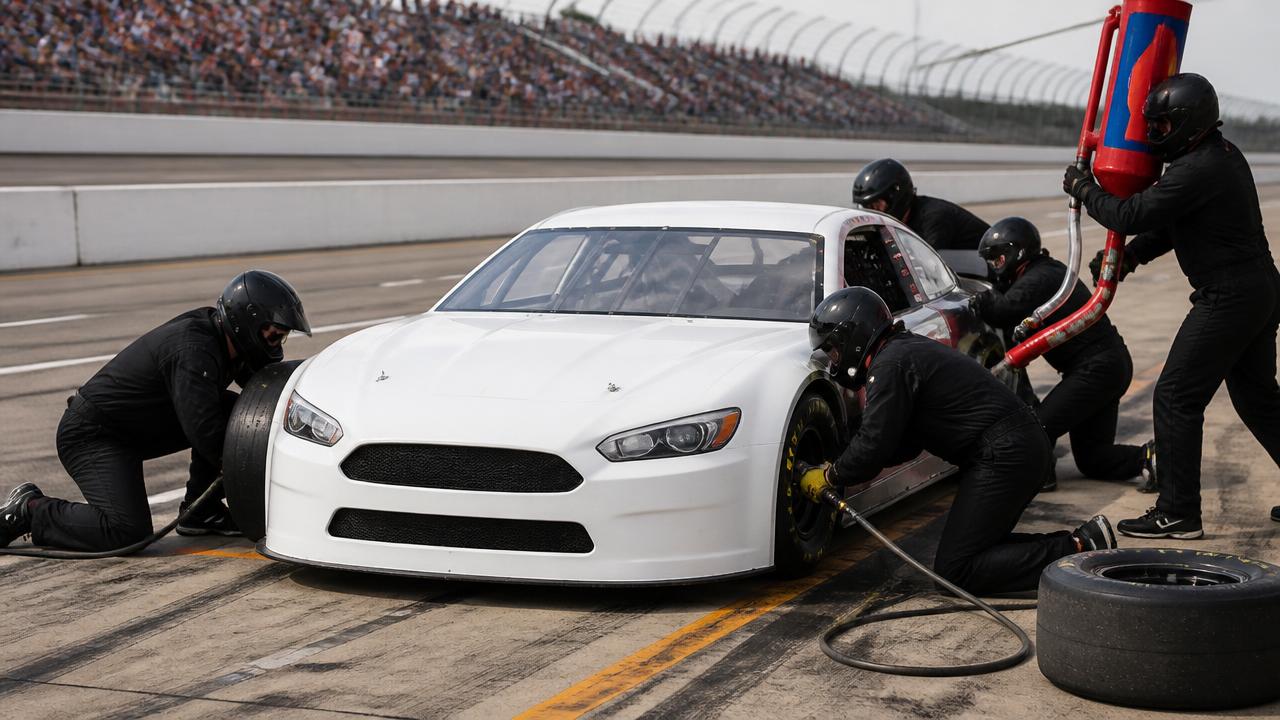
Two clocks, not one
The stopwatch on a stop measures the crew. The strategy is measured differently: what a car would have done had it stayed out, against what it will do having stopped. A slow stop that puts a driver into clean air can be worth more than a fast one that returns them to traffic. Judging crews by stationary time alone captures only part of the job.
The payback curve
Fresh tyres do not deliver their advantage in one lap. They deliver it over a stint, with the largest benefit early and a diminishing return as they wear. That shape means the value of stopping depends on how many laps remain to collect the payback. Stopping too late converts an advantage into an unused asset.
Cautions rewrite the sum
A caution period compresses the field and reduces the time cost of a stop, which is why strategies that looked settled can invert within a lap. Good teams do not predict cautions; they keep more than one plan alive so that whichever way the race breaks, they have a response rather than a regret.