
The tow, and its price
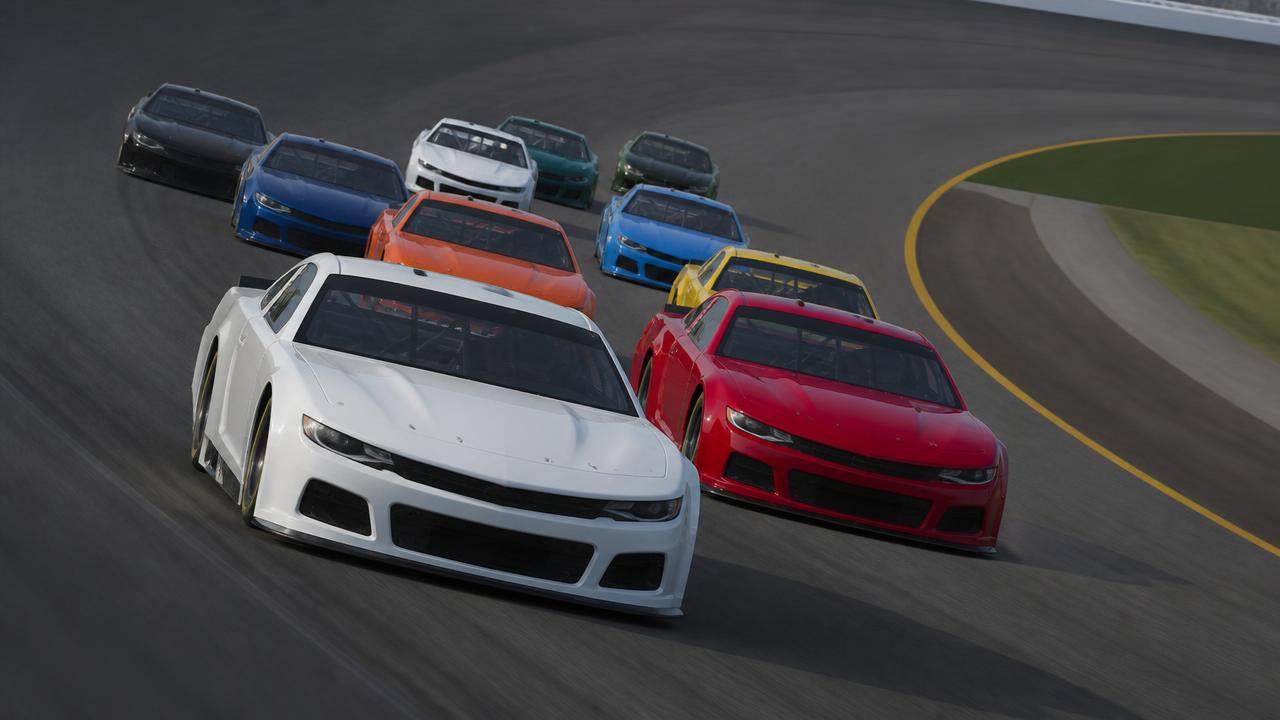
At high speed most of the effort a car makes is spent moving air out of the way. A following car inherits a partially cleared path, which is why it can close a gap without more power. The same disturbed air reduces the downforce the following car relies on to hold the corner, so the closer it gets, the less confidently it turns. Oval racing is largely the management of that contradiction: near enough to gain, not so near as to lose grip when it matters.
Why a lone leader struggles
A car out front in clean air is fast in isolation but has nothing to work with. That is why leading by a small margin is often the least comfortable position on the track: the driver carries the full aerodynamic cost while a pursuer takes a discount. Long-run pace and tyre management become the only defences available, since raw speed alone will not hold the gap.
Rules changes and their side effects
Adjusting how much downforce cars produce changes the racing more visibly than most mechanical changes, because it moves the point at which following becomes unstable. More downforce tends to bunch the field and reward bravery; less tends to spread it and reward smoothness. Neither is objectively better racing, but each produces a different sport, which is why these decisions attract such heat.