
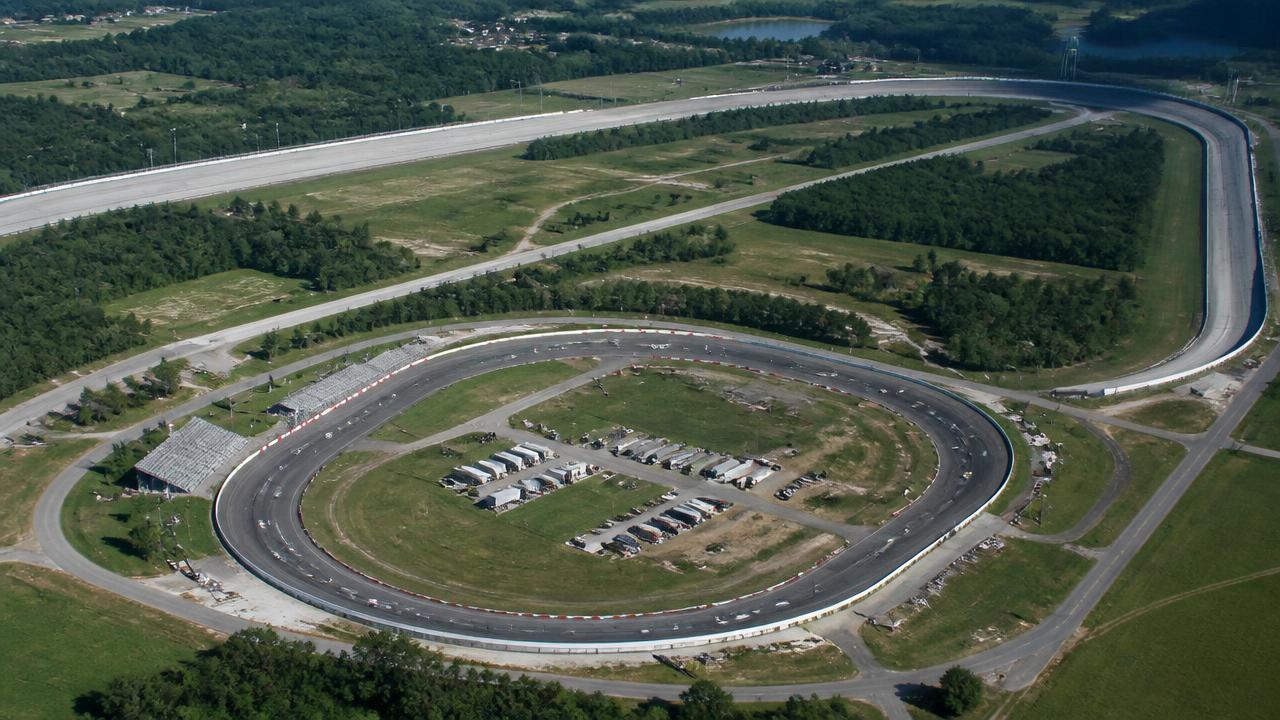
The short track: a chess match with bumpers
On a short circuit, cars spend most of their time slowing down and turning, so brake feel and corner entry dominate. Overtaking is possible almost anywhere, which paradoxically makes patience valuable: the driver who forces a move too early usually surrenders position twice. Contact is part of the vocabulary, and knowing how much is acceptable is a genuine skill.
The superspeedway: a cooperative problem
At the other extreme, cars are near-permanently at full throttle and no single car can pass alone. Progress requires a partner, which means the sport briefly becomes negotiation at speed: who to work with, when to break the arrangement, and how to avoid being the car left exposed when a line collapses. Individual bravery matters less than reading intentions.
Why versatility is undervalued
Because these demands barely overlap, the drivers who look best across a whole season are often not the most spectacular at either extreme. Versatility rarely produces highlights, which is exactly why it is underrated in the moment and obvious in retrospect.