
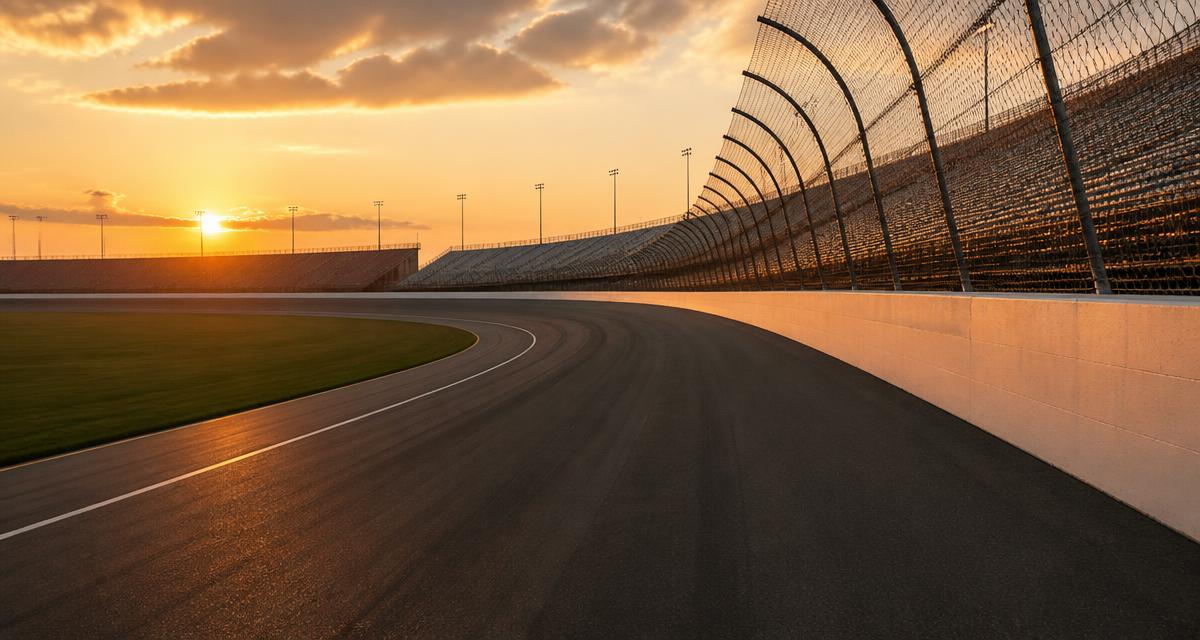
Superspeedways and intermediates
The biggest ovals are run near-flat out, so the air rather than the corner sets the lap time. Cars run in packs because the draft is worth more than any setup advantage, and position depends on finding a lane with help behind it. The result is racing where one driver's mistake can collect a dozen cars.
Intermediate ovals are the format's core test. They are fast enough to be aerodynamically sensitive but slow enough that mechanical grip and tyre wear matter, which is why they tend to separate well-prepared teams from lucky ones.
Short tracks
On the shortest ovals, laps come quickly, traffic never clears and cars touch. Brakes and patience matter far more than aerodynamics, and a driver's willingness to lean on a rival — and tolerance for being leaned on — becomes a real competitive trait.
Short-track races are also where reputations are made, because the racing is close enough that the crowd can see who yielded and who did not.
Road and street courses
Road courses ask for braking, downshifts and left-hand turns from cars built mainly for the opposite. Strategy shifts too: overtaking is harder, so pit timing and tyre choice carry more weight than the draft does.
Because the calendar mixes all of these, the championship rewards adaptability. A team that is excellent at one type and poor at another rarely survives a playoff round that visits both.