
A small share of the clock, a large share of the outcome
A typical game contains only a few minutes of five-on-four hockey, yet those minutes account for a disproportionate share of the goals scored across a season. That imbalance exists because a numbers advantage in a game this fast is enormous: an extra skater changes passing angles, ice available, and the number of defenders who have to cover the same space.
It also means a single disciplined or undisciplined stretch of play can swing a result more than a much longer period of even-strength hockey, which is part of why coaches obsess over penalty differential in a way that looks excessive until you see the numbers behind it.
One side is rehearsed, the other is reacting
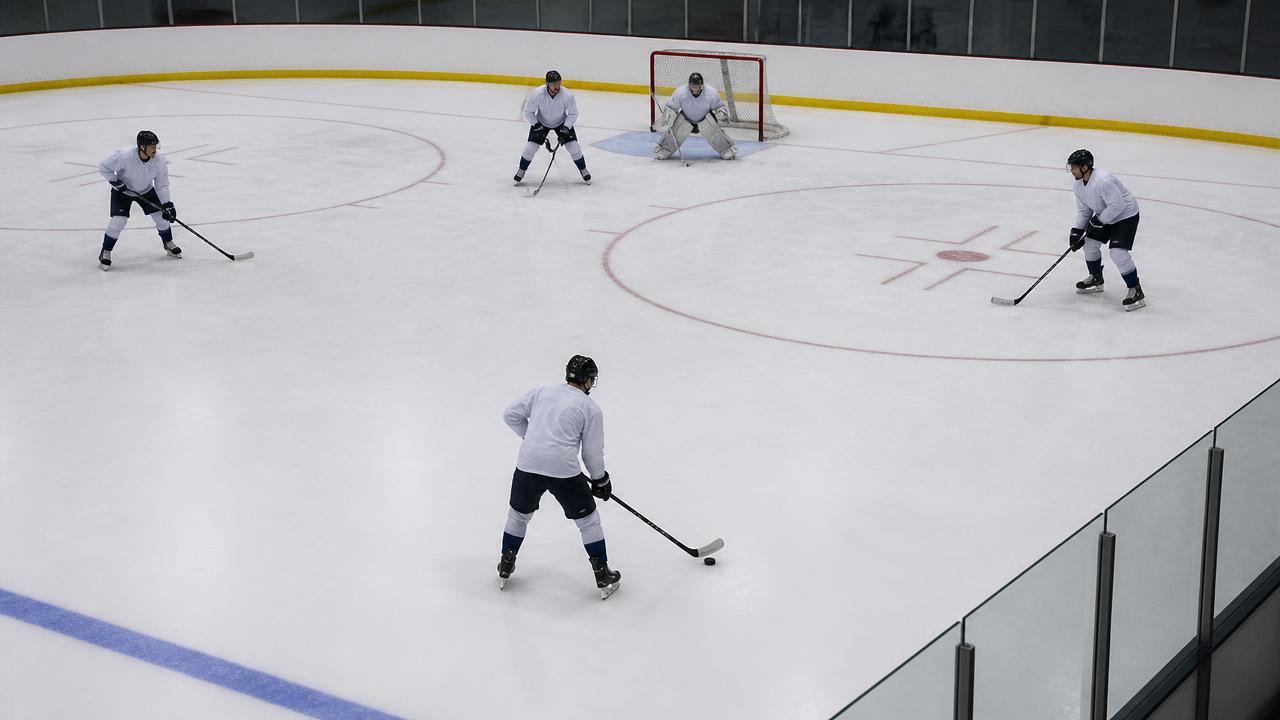
A good power play unit runs positions and options that have been drilled for hours: a set entry, a bumper in the middle of the ice, a one-timer lane practiced until it is automatic. The penalty-killing unit, by contrast, is reacting in real time to whichever four skaters happen to be on the ice, often without the benefit of playing together often.
That asymmetry is why elite power plays can look almost unfair to defend — they are not simply better players, they are better-organised ones operating against a defence assembled on shorter notice.
What killing a penalty actually rewards
Because the penalty kill cannot match the power play's structure, it wins instead through discipline: pressuring the puck at the right moment rather than every moment, collapsing to protect the middle, and a willingness to put a body in front of a shot that a skater with the man advantage is trying to get through traffic.
None of that requires elite skill so much as elite habit, which is why penalty killing specialists are often role players rather than stars, and why a team's shot-blocking totals say almost as much about its special teams as its goaltending does.