
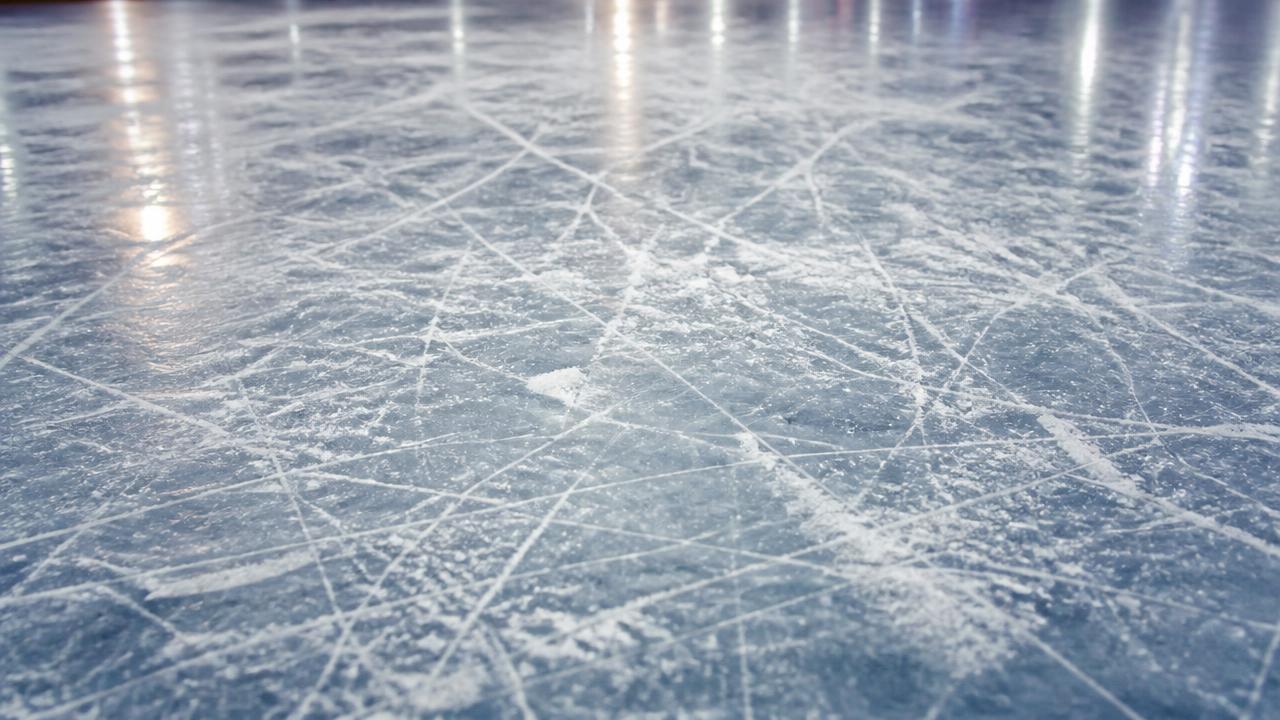
A surface fighting its own building
Arenas are built primarily to host people, not ice, and the compromise shows: warm bodies, bright lights and events scheduled around hockey all push heat and humidity into a building that is simultaneously trying to keep a sheet of ice hard and fast. Getting that balance right is a genuine engineering problem, not an afterthought.
Humidity is often the deciding factor. Moist air condenses on the surface and creates a soft, slushy top layer that slows the puck and tires legs faster, regardless of how sharp the refrigeration below the surface is doing its job.
Who the bad ice punishes
Soft or chippy ice does not punish every style equally. A team built on speed, tight passing and clean zone entries needs a predictable, fast surface to execute any of that; a team built on physical forechecking and simplicity loses comparatively less when the puck bounces awkwardly, because its plan already assumed some chaos.
This is a real, if under-discussed, home advantage in its own right: a franchise that manages its own ice well can quietly favour its own identity, without changing a single tactic on paper.
A different surface every few nights
Because every building's climate, altitude and schedule are different, players moving through a road trip are adjusting to a genuinely different surface every couple of nights, on top of the travel itself. It is a variable fans rarely see, because it does not show up as an event, only as a game that looks slightly heavier or faster than usual.
Players notice quickly and talk about it more than broadcasts tend to mention it, which is worth remembering the next time a normally sharp passing team looks uncharacteristically sloppy for one night in one particular building.