
A style built for a different shot
Stand-up goaltending, which kept the goaltender upright and relied on stick and pad positioning to cut angles, made sense when the average shot was more likely to come from distance and screens were less deliberately engineered. The style prioritised mobility and reaction over covering the ice itself.
As shooters got better at getting pucks low and traffic in front of the net became a deliberate tactic rather than an accident, the ice-level gap between a standing goaltender's pads became the easiest place to score, and the position had to adapt to close it.
What dropping to the ice actually buys
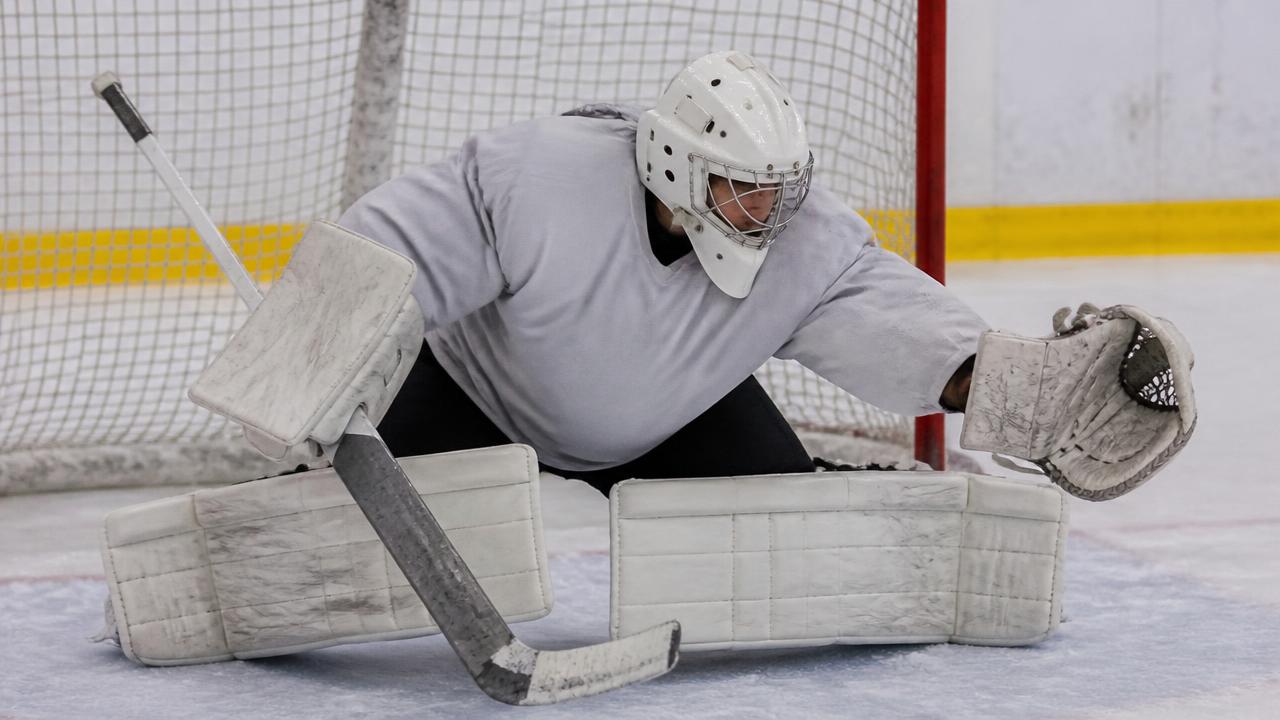
The butterfly, dropping to the knees with the pads flared to seal the bottom of the net, takes the low shot away almost entirely and lets the goaltender use the upper body and glove to cover what remains. It trades standing mobility for a much larger share of the net covered automatically, which matters enormously given how many modern shots arrive from close range through traffic.
The tradeoff is timing. Drop too early and the upper body is exposed to a shot that goes high; drop too late and the low shot beats the goaltender before the seal forms. The style did not remove difficulty from the position, it relocated it to a question of exactly when to commit.
Why it kept evolving
The pure butterfly of its earliest adopters has itself been refined into a hybrid approach that blends standing recovery with a butterfly base, because a goaltender fully committed to the ice on every shot is slow to react to a rebound or a second chance. The position keeps adjusting to whatever the shooters and screens do next.
That back-and-forth is worth remembering whenever a single style is described as the modern or correct way to play the position. Goaltending technique has always been a response to the shots it currently faces, and it will keep changing as the shots do.