
The measurable and the important
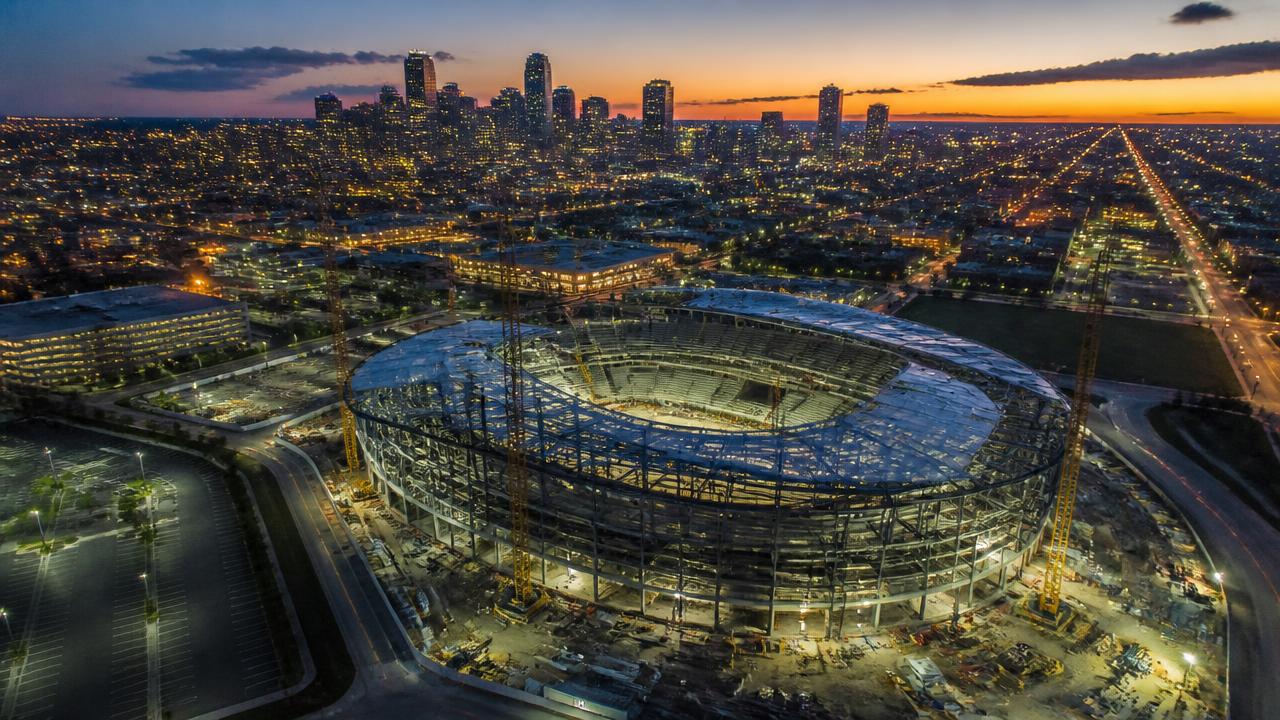
Debate concentrates on build cost because it is a number available in advance. The decisive variable is what the facilities do for the following thirty years, which is a forecast and therefore contested. Cities that treat hosting as a construction project rather than an operating commitment tend to be surprised by the second bill.
The tenant test
A simple screen for any proposed venue is whether a credible occupant exists who needs it every week after the Games. If the answer is no, the venue will be maintained at public expense or quietly abandoned. This test predicts post-Games outcomes better than almost any economic projection.
The boring successful model
The versions that have aged best generally used facilities that already existed, spread events across a region, and built only what the city genuinely lacked. It is a less exciting proposition and a considerably more defensible one.