
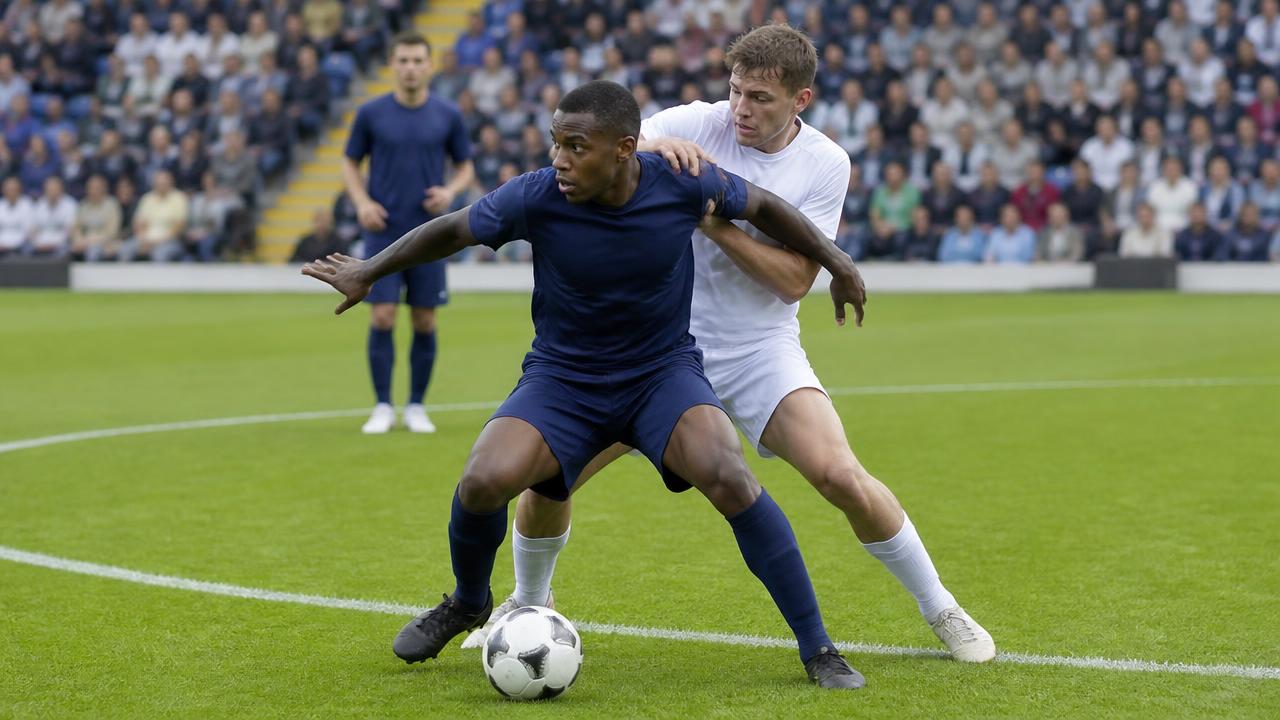
The pass that never happened
There is a category of football skill that almost never appears in a highlight reel, because its whole value lies in preventing something from occurring rather than making something happen. A holding midfielder who stands in exactly the right passing lane denies the opposition an option they never even attempt, and because the pass was never played, there is nothing for a viewer to notice, let alone praise. Contrast that with a last-ditch tackle, which is dramatic, visible and easy to credit, even though a well-positioned player often prevents the situation that would have required the tackle in the first place.
This asymmetry in visibility shapes how fans and pundits talk about midfielders, rewarding recoveries and interceptions far more than the quiet positional discipline that made many of those actions unnecessary. It is a bias built into how football is watched, not a fair reflection of what actually matters most defensively in midfield.
Screening as a decision, not a reflex
Good screening is a constant series of small judgements about where the next danger is most likely to come from, made well before the ball arrives anywhere near the player making them. It requires reading the opposition's shape and anticipating which passing lane matters most in a given moment, then adjusting position accordingly, often shifting a matter of steps in a way that looks unremarkable but closes off an entire route through midfield.
The players who do this well are frequently the ones described by teammates as easy to play alongside, because their positioning simplifies decisions for everyone around them. A well-screened midfield gives centre-backs fewer problems to solve and full-backs more license to push forward, and that ripple effect through the rest of the team is one of the clearest, if least visible, ways a single player shapes a match.
Why the credit rarely follows
None of this argues that tackles and interceptions do not matter; they clearly do, and a midfielder who never wins the ball back directly is missing something important from his game. The argument is narrower: that praise in football tends to follow visible events, and defensive positioning that prevents events from happening at all is systematically undervalued as a result, both in punditry and in how supporters assess a player's contribution.
A more honest accounting would weigh the quiet, repeated positional corrections a holding midfielder makes across ninety minutes alongside the flashier statistics that get counted. Until that becomes standard, the players doing the least visible but arguably most important defensive work in midfield will keep being underrated by exactly the audience that would benefit most from understanding what they do.